.png)
.png)
For Bellevue and Eastside homeowners specifically, King County labor rates and local permit requirements push these numbers above national averages — both factors are covered throughout this guide.
What Does It Cost to Build a Deck and Fence in 2026?
The cost to build a deck and fence depends on several factors, including the size of each structure, the materials you choose, and where you live. For most homeowners, combining both projects in 2026 means budgeting anywhere from $10,000 on the low end to $35,000 or more for larger, premium builds.
Tackling both at once can save money. Many contractors offer bundled pricing when you commission a deck and fence installation together, reducing mobilization costs and overall labor expenses.
2026 Cost Breakdown: Deck and Fence Prices at a Glance
Before diving into details, here is a clear overview of what you can expect to pay in 2026 based on verified national data.
Bellevue and King County pricing: Labor costs in Bellevue typically run 20–30% above national averages. For local pricing by material, see our Bellevue-specific guides: cedar privacy fence cost per foot and how much does a new deck cost in Bellevue.
These figures represent national averages for professionally installed projects. Local labor rates, site conditions, and material choices will influence your final cost.
Understanding the Cost to Build a Deck: Materials and Labor
The average cost to build a deck in 2026 runs between $30 and $60 per square foot for a professionally installed project, with labor accounting for roughly half to 70 percent of that total. For a typical mid-size deck of 300 to 400 square feet, most homeowners spend between $8,000 and $12,000 all in.
The labor cost to build a deck typically falls between $15 and $35 per square foot, depending on complexity, design, and your geographic region.
Material costs per square foot (installed) vary widely:
Pressure-treated wood (meaning lumber chemically treated to resist rot and insects) is the most affordable option, generally running $2 to $6 per square foot for materials alone. It remains a reliable, budget-friendly deck material for most homeowners. Cedar wood decking tends to cost more but offers better natural resistance to moisture and insects.
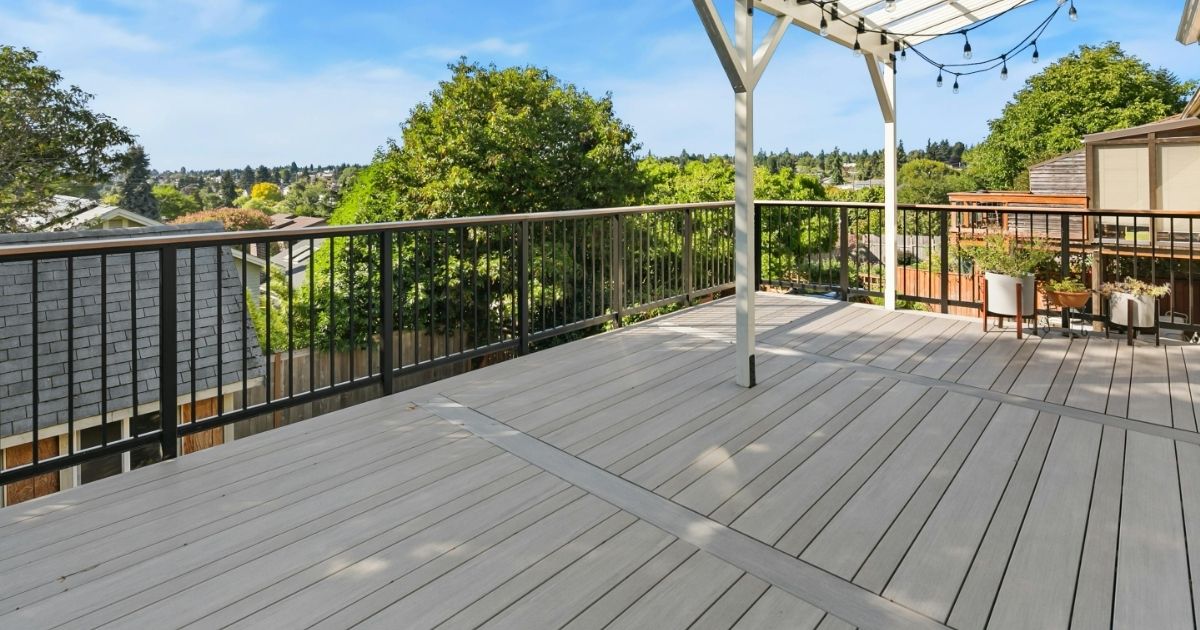
Composite deck materials, which are boards made from a blend of recycled wood fibers and plastic, typically cost between $12 and $22 per square foot for materials alone, or $25 to $54 per square foot fully installed. Homeowners in Bellevue can benefit from professional deck installation services that maximize the performance of these materials. Exotic hardwoods such as Ipe (a dense, durable tropical wood also known as Brazilian walnut) can reach $10 to $20 per square foot for materials but offer exceptional longevity.
How much does it cost to build a deck per square foot for the most common builds? For a standard pressure-treated wood deck, expect to pay roughly $25 to $35 per square foot installed. A composite deck costs considerably more upfront but requires far less maintenance over its lifespan, which is typically 25 to 30 years or more.
💡 Pro Tip: If you want a composite deck but have a tighter budget, consider using composite decking boards on the surface while framing the structure with pressure-treated pine. This hybrid approach can meaningfully reduce your total material costs without sacrificing the low-maintenance surface you want.
What Is the Cost to Build a Fence Per Foot in 2026?
The cost to build a fence per foot in 2026 generally runs between $20 and $60 per linear foot (meaning the cost per one foot of fence length, materials and labor included) for most residential projects. The national average for fence installation is approximately $20 to $45 per linear foot for professional installation across common materials.
Most homeowners spend between $4,000 and $12,000 for a complete fence installation, though smaller yards or budget materials can bring this figure lower.
Here is how the major fencing materials compare on a per-linear-foot basis in 2026:
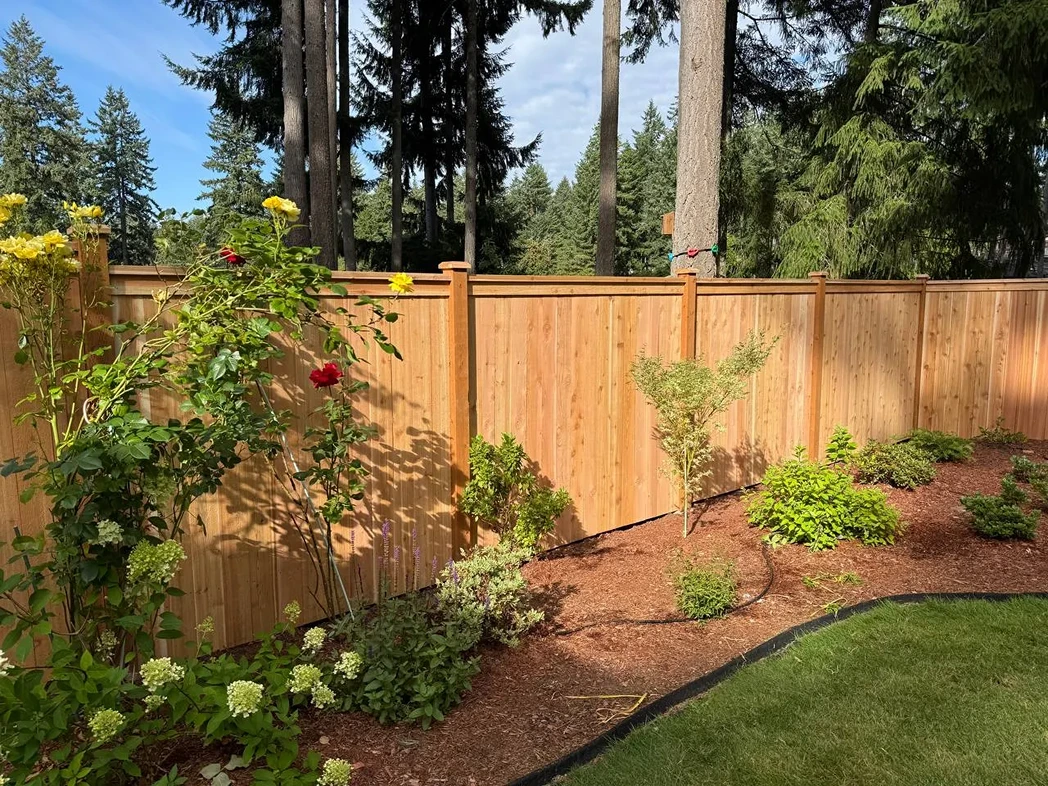
Wood fencing: is the most popular choice. A basic wood privacy fence typically costs $20 to $50 per linear foot installed. Cedar fences, which naturally resist rot and insects without chemical treatment, generally cost more upfront but can last 15 to 25 years with proper sealing. Pressure-treated pine is the more affordable wood option, typically costing less per linear foot but requiring annual sealing to maintain its integrity.
Vinyl fencing: (made entirely from PVC plastic) costs roughly $30 to $60 per linear foot installed. It requires virtually no maintenance, does not rot, and is immune to insect damage.
Aluminum fencing: (a lightweight, rust-resistant metal option popular for pool enclosures and decorative borders) generally costs $24 to $50 per linear foot installed. It mimics the look of wrought iron at a fraction of the price.
Chain link fencing: (galvanized steel wire woven into a diamond pattern) is the most affordable material, averaging $8 to $40 per linear foot installed, making it an ideal option for large properties or pet enclosures where visual privacy is not a priority. Homeowners in Bellevue can choose from high-quality chain link fence options that balance security and affordability.
Wood Deck vs. Composite Deck: Which Is the Better Investment?
This is one of the most common questions homeowners ask when planning a new deck. Natural wood decking, particularly pressure-treated pine, offers the lowest upfront cost but requires regular maintenance, including annual sealing or staining. Without that care, wood is vulnerable to moisture damage, insect damage, and warping over time.
Composite decking costs more upfront but delivers dramatically lower maintenance requirements. A composite deck does not need annual sealing, does not splinter, and is far less susceptible to the insect damage and moisture issues that affect natural wood decking. Over a 10 to 15-year period, the total cost of ownership for composite decking often rivals or even beats wood once you factor in ongoing maintenance expenses.
For homeowners who prefer the authentic look and feel of natural wood decking, cedar and redwood are excellent mid-range choices. They offer better natural durability than pressure-treated pine and can last 20 to 30 years with proper care. Looking at real-world fence and deck projects can help you visualize how these materials perform over time.
The right choice depends on your budget, how much maintenance you are willing to do, and how long you plan to stay in the home.

Key Factors That Influence Your Total Project Cost
Several variables shape the final cost to build a deck and fence beyond just materials. Understanding these factors helps you budget more accurately and avoid surprises, especially when you know what to expect from a professional fence and deck installation process.
Deck size.
Larger decks cost more in both materials and labor. Cost per square foot can also decrease slightly as the project scales up, since contractors can work more efficiently on larger surfaces.
Fence length and height.
Longer fences require more material and labor. Taller fences, beyond the standard six feet, require additional materials and more complex post-setting, which increases the labor cost to build a fence significantly.
Site conditions.
Sloped yards, rocky soil, or limited access can raise labor rates considerably. Building a second-story or elevated deck adds complexity and structural requirements that push costs upward.
Permits and inspection fees.
Most municipalities require building permits for decks and fence installations. Permit costs typically range from $50 to $300, depending on your location and project scope. Always verify local requirements before beginning construction.
Peak versus off-peak season.
Labor demand peaks in spring and summer. Scheduling your project during the off-peak season, typically late fall or winter, can yield meaningful savings of 5 to 15 percent on labor costs from many contractors.
Location.
Urban markets and coastal cities generally carry higher labor rates than rural and Midwest regions. Labor costs in high-demand cities can run 20 to 30 percent above national averages.
How to Get the Best Price on a Deck and Fence Project
Getting the best price on a combined deck and fence project requires planning and comparison, not just accepting the first quote you receive. Here is a practical approach to managing your budget effectively.
- First, define your project scope clearly before reaching out to contractors. Knowing your approximate deck size, fence length, and preferred materials allows local professionals to give you accurate quotes rather than ballpark estimates.
- Second, collect quote. Most professional installers and the North American Fence Contractors Association recommend getting at least three quotes from licensed contractors before committing. This also helps you identify any unusually high or low bids.
- Third, consider the off-peak season. Booking your deck and fence project during late autumn or early winter, when contractor demand slows, can reduce your labor expenses noticeably.
- Fourth, separate your material choices by priority. If your budget is tight, use composite or cedar where it is most visible (the deck surface and fence panels facing the street) and save with pressure-treated pine on structural framing that is less exposed.
- Fifth, ask about bundled pricing. When you hire one contractor for both the deck and fence, you often pay less overall than if you hired two separate crews, since setup and mobilization costs are shared.
- Sixth, verify credentials. Always confirm your contractor is licensed, insured, and familiar with your local building codes. Reputable companies will invite you to contact their team for a detailed estimate and provide proof of licensing and insurance up front. Cutting corners on professional installation can lead to costly repairs down the line.
- Finally, factor in the total cost of ownership, not just the upfront cost. A composite deck with a higher initial price tag may cost you less over ten years than a wood deck requiring frequent sealing and repairs.
What Are the Hidden Costs Homeowners Often Miss?
Beyond the obvious deck material costs and fence installation costs, several additional expenses can catch homeowners off guard. Being aware of these upfront protects your budget.
Old structure removal is a common overlooked cost. If you have an existing deck or fence that needs to come down first, removal typically costs $300 to $1,000 or more depending on the size and material. Land grading, meaning leveling uneven ground before installation, can add $400 to $3,000 or more depending on the degree of slope. Gate installation adds $200 to $800 per gate for a standard residential fence gate.
Post-construction finishing costs for a natural wood deck, including sealing and staining, add to the estimated cost and are needed every two to three years. For larger decks, annual maintenance budgets of $550 to $1,100 per year are common.
Wood vs. Vinyl Fence: Which Material Makes More Sense for Your Yard?
Wood fences and vinyl fences are the two most popular residential fencing choices, and both have clear strengths. A wood privacy fence typically costs less upfront, offers a classic natural appearance, and can be painted or stained to match any exterior. However, it requires regular maintenance and can be susceptible to moisture and insect damage over time if not properly sealed.
A vinyl fence (also called a PVC fence) carries a higher initial price but eliminates the need for annual sealing, staining, or painting. It does not rot, does not attract termites, and holds its color without fading for many years. Over a 20-year period, the total cost of ownership for vinyl fencing often compares favorably to wood once ongoing maintenance expenses are considered.
For homeowners who want a low-maintenance option with a clean, consistent appearance, vinyl is a strong choice. For those who prefer the warmth of natural wood and are willing to perform regular maintenance, a cedar or pressure-treated wood fence remains a dependable and affordable option, as shown in many affordable cedar fence projects in Washington.
Conclusion
The cost to build a deck and fence in 2026 is a significant investment, but one that adds lasting value and enjoyment to your property. Whether you choose pressure-treated wood for its affordability or composite decking for its low maintenance appeal, understanding what drives your total cost puts you in a far better position to plan, budget, and negotiate effectively.
Get quotes from local professionals, consider the full lifecycle cost of your chosen materials, and do not wait on permits. When you are ready to move forward, reach out to a licensed contractor for a personalized estimate tailored to your specific project.
FAQs
How much does it cost to build a fence for an average yard?
For a typical residential yard, the cost to build a fence generally runs between $4,000 and $12,000 for professional installation, depending on the material, fence length, and height. Wood and chain link options sit at the lower end of that range, while vinyl, aluminum, and ornamental iron fences can push costs higher.
How much does it cost to build a deck for a typical home?
The average cost to build a deck ranges from about $8,000 to $12,000 for a standard mid-size deck of 300 to 400 square feet, though larger or more complex decks can exceed $20,000 to $40,000. Material choice is the biggest cost variable, with pressure-treated pine at the affordable end and composite or exotic hardwoods at the premium end.
Is it cheaper to combine a deck and fence project?
Combining both projects with a single contractor often reduces total costs, since mobilization, site prep, and overhead are shared rather than duplicated. Many contractors offer better overall pricing when both scopes of work are awarded together.
What is the most affordable decking material in 2026?
Pressure-treated pine remains the most affordable option for deck material costs, typically running $2 to $6 per square foot for materials alone. It is a durable, widely available material, though it requires regular maintenance including sealing and staining to protect against moisture and insect damage.
How long does it take to build a deck and fence?
A standard deck project typically takes several days to a couple of weeks depending on size and complexity, while fence installation for a typical residential yard generally takes one to three days. Combined projects may take a week or more in total, depending on contractor schedules and permit timelines.
When is the best time of year to get a lower price on deck and fence installation?
Scheduling your project during late fall or winter, when contractor demand slows, typically yields the best pricing. Many contractors offer reduced rates during the off-peak season, and lead times are shorter than during the busy spring and summer months.



.png)







.svg)