.png)
.png)
What Are Wood and Vinyl Fences Made Of?
Wood fences are built from natural wood, most commonly western red cedar, pine, or pressure treated lumber (wood that has been chemically treated to resist rot and insects). Vinyl fences, on the other hand, are manufactured from polyvinyl chloride, a type of rigid plastic designed to withstand weather and resist fading.
Both materials are widely available and suit a range of fence types, from privacy fences to decorative picket styles. Understanding what each is made of helps you predict how it will perform over time.
Wood Fence vs Vinyl Fence: A Head to Head Comparison
Here is a quick comparison table to show how wood and vinyl fences stack up across the most important categories.
Which Is Cheaper: Wood or Vinyl Fencing?
Wood fencing typically costs less upfront than vinyl. A wood fence generally runs between $15 and $30 per linear foot installed, depending on the wood species and style. A vinyl fence typically costs between $25 and $40 per linear foot installed.
So is vinyl fencing cheaper than wood in the long run? Not necessarily. While wood has a lower initial cost, ongoing maintenance costs such as staining, sealing, and occasional board replacement add up over the years. Vinyl requires minimal maintenance upkeep, which means lower costs over time even if the price tag at installation is higher.
💡 Pro Tip: When budgeting for a new fence, factor in a 10 to 15 year maintenance estimate, not just the installation price. This gives you the true long term value of each fence material.
Fence Maintenance: Wood vs Vinyl
Maintenance is one of the biggest differences between wood and vinyl fences. A well maintained wood fence needs to be stained or sealed every two to three years to protect against moisture, rot, and fading from harsh sunlight. You may also need to repaint or replace individual fence panels over time, as seen in many cedar fence projects where long term performance depends on proper upkeep.
Vinyl fence maintenance is far simpler. Most homeowners only need to remove dirt and grime with a garden hose and mild soap once or twice a year. Unlike wood, vinyl does not require painting, staining, or sealing. This makes it a genuinely maintenance free fence option for busy households.
If you prefer a hands off approach, vinyl clearly wins the fence maintenance wood vs vinyl debate. If you enjoy weekend DIY projects and want a more natural look, a wood fence can be deeply rewarding to care for.
Vinyl Fence vs Wood Fence Durability: Which Lasts Longer?
Durability is a top concern for most homeowners, and both materials hold up well when properly installed. Cedar fence panels can last 15 to 30 years with regular sealing and proper installation, while pressure treated lumber fences can also reach the higher end of that range. Vinyl fence panels, when installed correctly, can last 20 to 30 years or more without significant structural damage.
So which wins on vinyl fence vs wood fence durability? Vinyl has a clear edge in harsh weather conditions. It does not rot, warp, crack from moisture, or suffer insect damage the way a wooden fence can. Wood posts are particularly vulnerable to ground moisture, which can cause rot at the base over time. Vinyl fence posts resist these issues far more effectively.
The Natural Beauty of Wood: Is It Worth It?
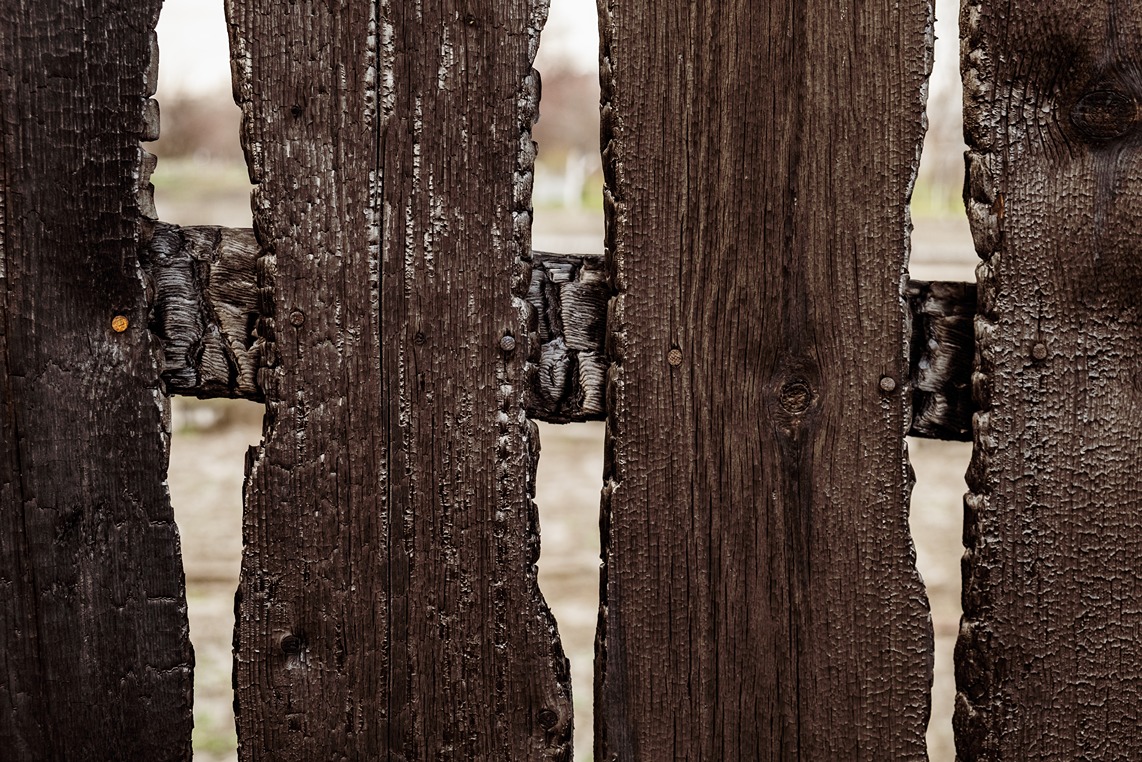
Many homeowners choose a natural wood fence simply because of how it looks. Wood offers warmth, texture, and a natural aesthetic that vinyl simply cannot match authentically. Even vinyl options designed to resemble wood with a wood grain finish rarely capture the full character of real timber.
A cedar fence or a fence built from western red cedar develops a beautiful silvery gray patina over time if left unsealed. Painted or stained wood fences can be customized to match any home's aesthetic, making wood a far more versatile choice for curb appeal.
If your priority is beauty and design flexibility, a natural wood fence is genuinely hard to beat, especially when you work with experienced wooden fence installation specialists in Bellevue. However, that natural material does require ongoing maintenance to keep it looking its best.
How to Choose the Right Fence Material for Your Yard
Selecting the best fence material comes down to four key factors: your budget, your lifestyle, your climate, and your design preferences. Work through these considerations in order, and consider how a professional fence and deck installation process can support your goals from design through completion.
- First, establish your total budget including both installation and a realistic 10 year maintenance estimate. If upfront cost is your main concern, wood is typically more affordable at the outset.
- Second, consider how much time you want to spend on upkeep. If you want a maintenance free fence that stays looking clean with minimal effort, vinyl is the smarter choice.
- Third, think about your local climate. In regions with high humidity, heavy rainfall, or significant insect activity, vinyl and wood fences perform very differently. Vinyl holds up better in wet climates.
- Fourth, consider how the fence will look with your home. Wood fence styles are more customizable. Vinyl fences offer a clean, uniform appearance that suits modern and traditional homes alike.
- Finally, decide whether you will handle fence installation yourself or hire a professional. Wood is generally more DIY friendly, while vinyl panels sometimes require professional installation for the best structural integrity.
Pros and Cons at a Glance: Wood Fence vs Vinyl Fence
Here is a quick reference list of the main advantages and drawbacks of each fence material.
Wood Fence Pros:
A natural wood fence delivers authentic beauty that no manufactured material fully replicates. Wood is generally more affordable upfront, making it accessible for homeowners with tighter budgets. It is easy to cut, customize, and repair, making it ideal for DIY projects. It is also a biodegradable material, which appeals to environmentally conscious buyers.
Wood Fence Cons:
A wooden fence requires regular painting, staining, or sealing to maintain its structural integrity. It is vulnerable to insect damage, rot, and warping in harsh weather conditions. Ongoing maintenance cost can add up significantly over 10 to 20 years.
Vinyl Fence Pros:
Vinyl fence panels are virtually maintenance free, needing only occasional cleaning. Vinyl fence vs wood fence durability consistently favors vinyl in wet or insect prone climates. Vinyl does not rot, warp, or require painting, delivering long term value with minimal upkeep.
Vinyl Fence Cons:
Vinyl carries a higher initial cost per linear foot installed compared to most wood options. Vinyl and wood fences differ in repairability. While individual wood boards are easy to swap out, damaged vinyl panels can be harder and more expensive to replace. Vinyl fences also have a more uniform appearance that some homeowners find less distinctive.
💡 Pro Tip: If you live in an area with extreme temperature swings, check that your vinyl fence product is rated for thermal expansion. Lower quality vinyl can crack in very cold weather.
Environmental Impact: Wood Fence vs Vinyl Fence
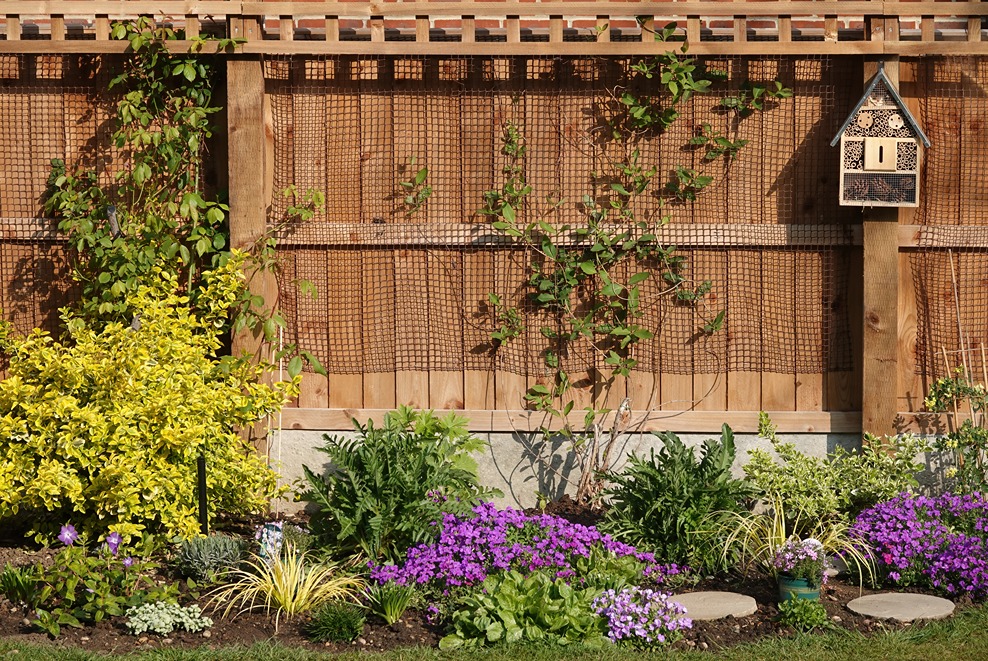
Both fence types carry environmental trade offs. Wood is a natural, renewable, and biodegradable material. However, the manufacturing process for pressure treated lumber involves chemicals that can be harmful if not managed properly.
Vinyl is derived from polyvinyl chloride, a petroleum based product. Its manufacturing process has a measurable environmental footprint, and vinyl is not easily biodegradable. That said, vinyl fences last a long time, which means fewer replacements and less material waste over the decades.
Most professional fence installers agree that neither material is perfectly green, but wood sourced from certified sustainable forests is generally considered the more environmentally responsible option, and real world examples from completed wood and vinyl fence projects can help you see how each material performs over time.
Conclusion
Understanding the wood vs vinyl fence pros and cons comes down to your priorities as a homeowner. If you want lower upfront costs, natural beauty, and flexibility for DIY projects, a wood fence is an excellent choice. If you prefer long term durability, minimal upkeep, and a clean consistent look, vinyl is hard to beat.
Weigh your budget, your climate, and the amount of maintenance you are willing to commit to, and the right fence for your yard will become clear. Ready to take the next step? Reach out to a local fencing professional to get a personalized quote for your property, or explore working with a professional fence company.
FAQs
Is vinyl fencing cheaper than wood?
Wood fencing generally has a lower initial cost, typically between $15 and $30 per linear foot installed, compared to vinyl at $25 to $40 per linear foot installed. However, vinyl's minimal maintenance requirements often make it more cost effective over the long term.
How long does a vinyl fence last compared to a wood fence?
A well maintained wood fence can last 15 to 30 years, while a vinyl fence can last 20 to 30 years or more with proper installation. Vinyl tends to hold up better in wet or high humidity climates where wood is prone to rot.
Which fence requires less maintenance: wood or vinyl?
Vinyl is significantly lower maintenance than wood. A vinyl fence only needs occasional cleaning with a garden hose, while a wood fence requires staining or sealing every two to three years along with periodic repainting.
Can vinyl fences look like real wood?
Some vinyl fence panels are designed to resemble wood with a wood grain texture, but most experienced homeowners and contractors agree that they do not fully replicate the warmth and character of a natural wood fence. If authentic wood appearance matters to you, a cedar fence or similar natural option is a better choice.
Which fence is better for privacy: wood or vinyl?
Both wood and vinyl fences can be built as effective privacy fences with solid panel designs. Vinyl panels typically maintain a tighter, more uniform appearance over time, while wood privacy fences may develop small gaps as boards shrink or warp with age.


.png)





.svg)