.png)
.png)
If you have lived in the Seattle area for any length of time, you know how unforgiving our rainy climate can be on a fence.
Between constant moisture, soggy soil, shifting grades, and long stretches of damp weather, most wood posts struggle to survive here. We talk to homeowners all the time who tell us the same thing:
"My posts rotted right at the ground line."
That single problem destroys more fences in the Pacific Northwest than anything else. Traditional pressure-treated posts absorb water, attract insects, and slowly rot where the wood meets the soil.
Even cedar posts, which have natural oils and compounds that help resist decay, eventually break down once they stay wet long enough.
This is why we encourage homeowners to upgrade to a cedar post on pipe system. It is a modern post on pipe technology that solves the rot problem by keeping the wooden post completely off the ground.
Once you remove contact with soil, you eliminate the number one cause of fence failure.
In this blog, we will walk you through what a post on pipe fence is, how it works, why post-on-pipe fencing lasts longer in Seattle, and why this system is the most durable fencing solution for our climate.
What Is a Cedar Post on Pipe
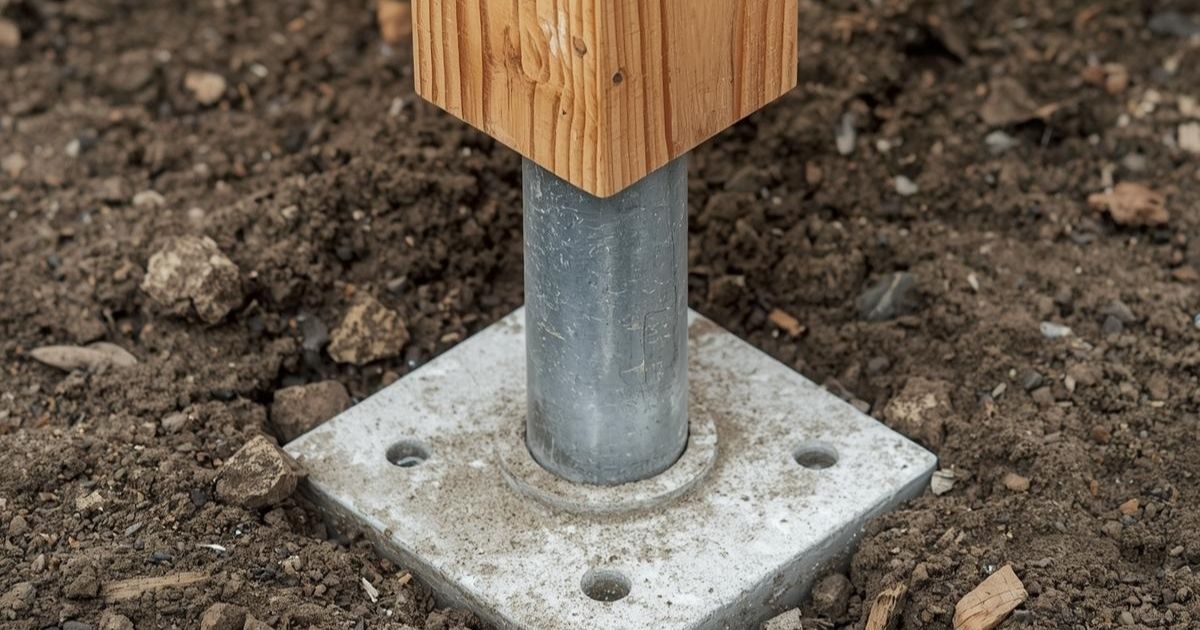
A cedar post on pipe is an upgraded fence structure where a cedar post is mounted on top of a galvanized pipe that has been set in concrete.
Instead of placing the wooden post in the ground, we attach it to a galvanized steel pipe that carries the load and takes on all soil contact.
The wooden part of the post sits 2 to 3 inches above the ground, which means it never touches moisture, mud, insects, or soil. This small gap is the key to extending the lifespan and longevity of your fence.
Here is what the system includes:
- A steel pipe or galvanized pipe
- A concrete footing where the pipe goes 2 feet deep
- A western red cedar post mounted at the top of the pipe
- Fasteners and brackets that keep the post sturdy
- A gap between the wood and soil that prevents rot
Homeowners often call this setup a post-on-pipe, post on pipe, or post on pipe fence system. It is one of the smartest upgrades for a long-lasting cedar fence, especially in the Seattle area.
How the Post-on-Pipe Fencing System Works
The system is actually very simple, and that is part of what makes it so reliable.
1. The pipe goes 2 feet deep
We start by drilling a hole feet deep into the ground and inserting a galvanized steel pipe. The lower part of the pipe is embedded in concrete and becomes the structural core of the fence post.
2. The pipe is concreted in place
Concrete prevents movement, reduces rust, and adds strength. Since steel pipes do not absorb water the way wood posts do, they stay sturdy even in a soggy environment.
3. The cedar post attaches to the upper pipe
The cedar post slides onto brackets that hold it securely. Because it sits 2 to 3 inches above the ground, it never makes contact with soil.
4. No ground-line rot
This is where standard pressure-treated posts fail. They absorb water and rot at the soil line. With a cedar post on pipe, the wood stays dry, clean, and protected.
5. The wood stays beautiful
Since western red cedar has natural beauty and a warm aesthetic, the post-on-pipe setup protects what homeowners value most.
This new pipe solution solves the main issue that causes fence posts to deteriorate: constant exposure to moisture.
Why Cedar Is the Best Choice for Seattle Fences
Even though the pipe carries the structural load, the visible post is still cedar, and there is a reason homeowners love it.
Western red cedar offers:
- Natural resistance to decay
- Natural oils and compounds that repel insects
- Stability in wet climates
- Natural beauty and strong aesthetic appeal
- The ability to hold stain well
- A long-lasting look without the chemicals found in pressure-treated wood
Cedar only fails when it is buried in the soil. Once we remove soil contact, cedar becomes one of the most durable and long-lasting materials for a fence in the Pacific Northwest.
Why Seattle Homeowners Need a Post on Pipe Fence
There is a reason that so many homeowners across West Seattle, North Seattle, Shoreline, and the Eastside reach out to us asking for a cedar post on pipe upgrade. The biggest reason is our environment.
Seattle has:
- Constant rain
- High moisture
- Oversaturated soil
- Fungal growth that causes rot
- Insect activity that thrives in wet wood
- Repeated storms that push fences around
Standard pressure-treated posts simply do not last long here. Many homeowners notice that pressure-treated posts absorb water and start to show signs of weakness early.
By eliminating the connection with soil, a post-on-pipe design creates a long-lasting foundation that can handle moisture year-round. This is the difference between a fence that lasts ten years and a fence that lasts twenty five years.
The Benefits of a Cedar Post on Pipe System
The advantages of this system are not small improvements. They are major upgrades that completely change how long your fence will last.
A Cedar Post on Pipe Offers Superior Durability
Because the wooden section never touches the soil, the post does not absorb water.
This prevents:
- Rot
- Insect damage
- Moisture swelling
- Ground-line decay
- Structural weakness
When wood stays dry, it stays strong.
Post-on-Pipe Fences Last Twice as Long
Many homeowners have fences that rot after 8 to 12 years. With a cedar post on pipe, you can easily double that lifespan. Many post-on-pipe fences last 25 years or more, even in our wet climate.
If you plan to stay in your home long term, the upgrade is worth it.
The Steel Pipe Gives Stability During Storms
The sturdy galvanized steel pipe takes on the structural force of wind and soil movement, not the cedar. This gives your fence:
- A straighter, more stable appearance
- Better resistance to shifting soil
- Better performance in high winds
Your fence stays aligned and your gate stays functional.
Reduced Maintenance and Easier Repairs
Because the wood is not buried in concrete, replacing a post is simple. You do not need to break up concrete or dig out a massive footing. You can detach the cedar and swap it out quickly.
This saves money, time, and disruption to your yard.
A More Sustainable Fencing Solution
Cedar is a renewable wood species, and a longer lifespan means fewer resources are used over time.
A post on pipe fence also avoids chemically saturated pressure-treated posts, which many homeowners prefer for environmental reasons.
Post-on-Pipe vs Traditional Fence Posts
Here is how the two compare:
Traditional Pressure-Treated Posts
- Absorb water
- Sit in the soil
- Rot at the ground line
- Get attacked by insects
- Lean and shift in storms
- Need replacement more often
Cedar Post on Pipe
- Wood avoids soil contact
- Supported by galvanized steel
- Resistant to moisture and rot
- Long-lasting and stable
- Works well in a rainy climate
- Offers better longevity
For a Seattle fence, the second option is simply the better long-term investment.
Installation Process for a Post-on-Pipe Fence
Here is what the installation looks like when we build a post on pipe fence:
- We mark the fence line
- We drill holes where each pipe will go
- The galvanized pipe is set 2 feet deep
- Concrete is poured
- The cedar post is mounted and leveled
- The panels or boards are installed
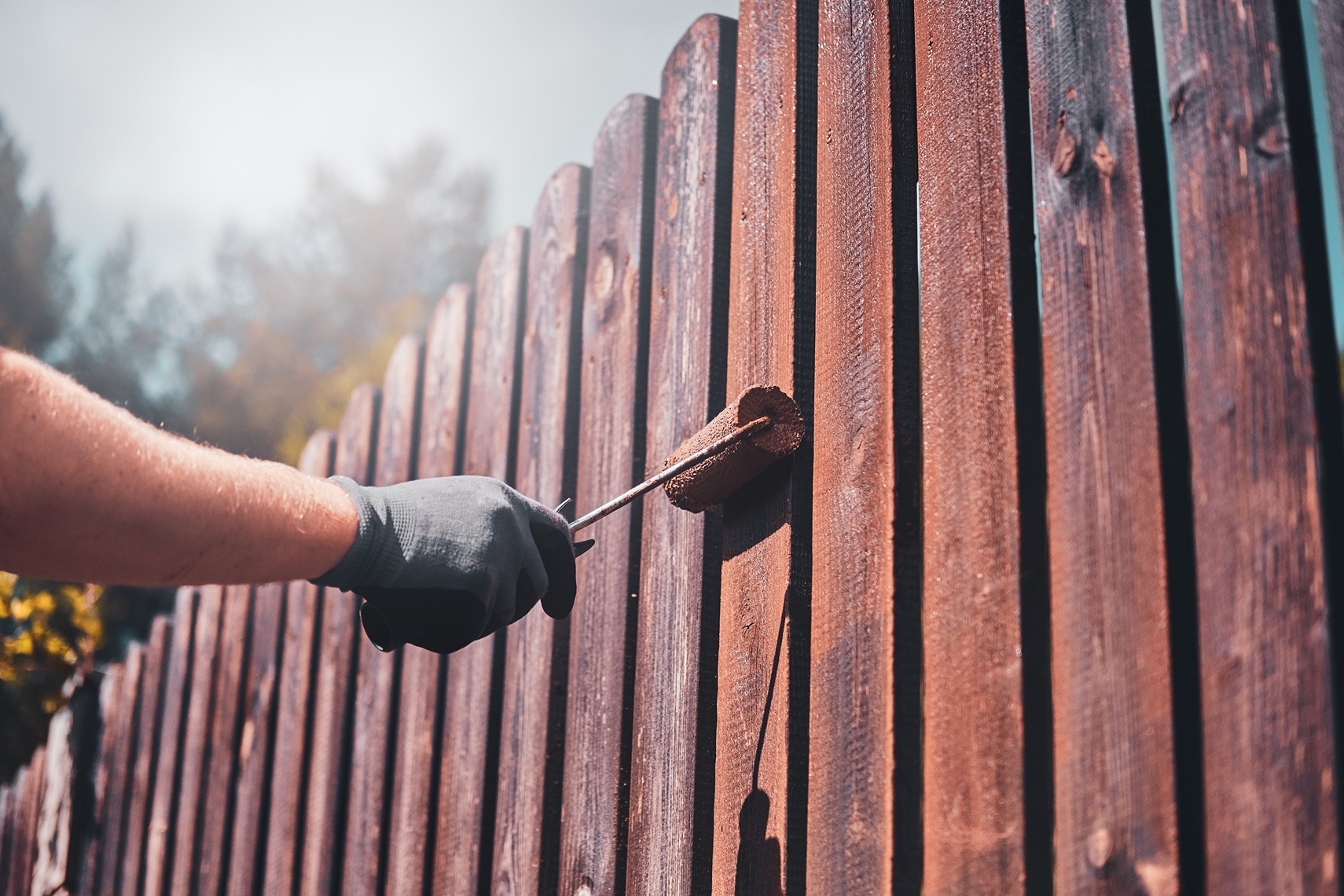
- The cedar is stained to protect natural beauty
The result is a cedar fence that is both beautiful and structurally advanced.
How Long a Cedar Post on Pipe Fence Can Last
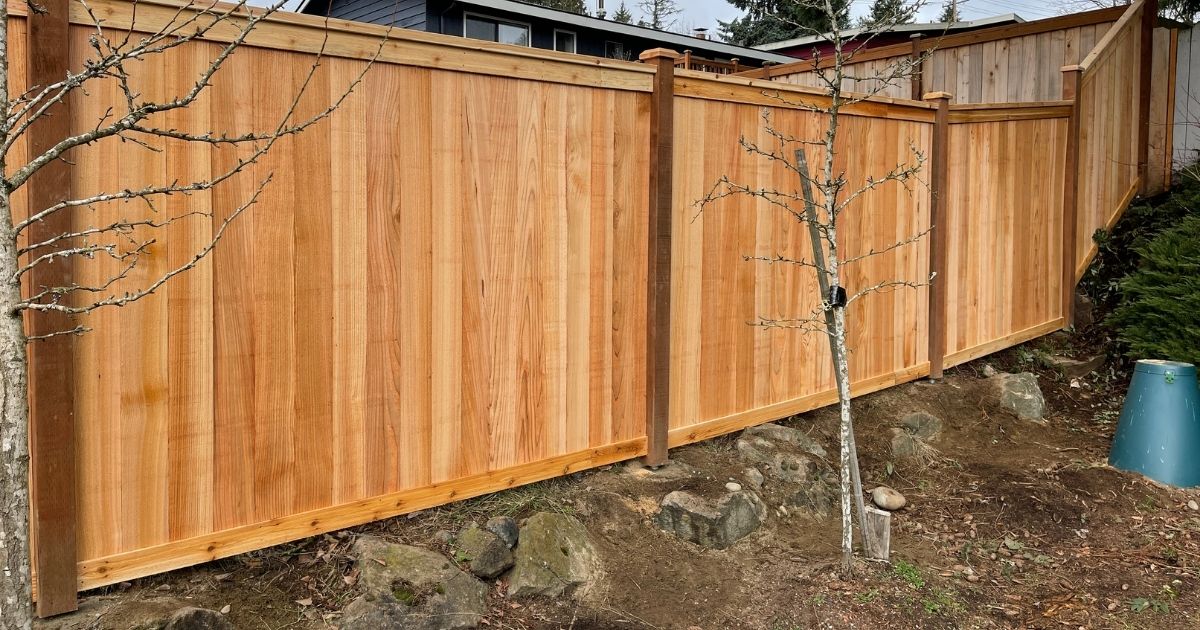
With proper installation, staining, and maintenance, many post-on-pipe fences in the Seattle area can easily last:
- 20 years
- 25 years
- Sometimes even longer
This is why so many homeowners are opting for a post-on-pipe system. It may cost slightly more upfront, but you avoid replacing rotten posts, leaning panels, and sagging gates for decades.
A longer lifespan means more value for your home.
Is a Cedar Post on Pipe Worth It
If you want a durable, long-lasting, and low-maintenance fence that can handle our wet climate, then yes. It is worth it.
Most homeowners who choose this upgrade tell us they would not consider anything else after learning how it works.
You get:
- Longer lifespan
- Better durability
- Beautiful western red cedar
- Less maintenance
- Stronger structure
- A cleaner appearance
- A better return on investment
For any homeowner in the Seattle area, this system is one of the smartest upgrades you can make.
Final Thoughts
Your fence is only as strong as the post that supports it. When that post fails, the entire fence fails with it. A cedar post on pipe eliminates the most common source of rot and ensures the fence stays strong and beautiful for years to come.
If you want a sturdy, durable, and long-lasting post-on-pipe fencing system that performs great in the Pacific Northwest, this is the upgrade you should choose.
It is the solution we recommend to every homeowner who wants a smarter, cleaner, more reliable fence in the Seattle area.
Ready to Build a Fence That Actually Lasts?
We install cedar post on pipe fences throughout the Seattle area, and our team specializes in creating durable, beautiful fences designed for our rainy climate.
You can learn more or request a free estimate here:
https://www.optimafenceanddeck.com/
If you want help designing or installing a post on pipe fence, we would be happy to take care of the entire project for you.
FAQs
1. Should cedar posts be set in concrete?
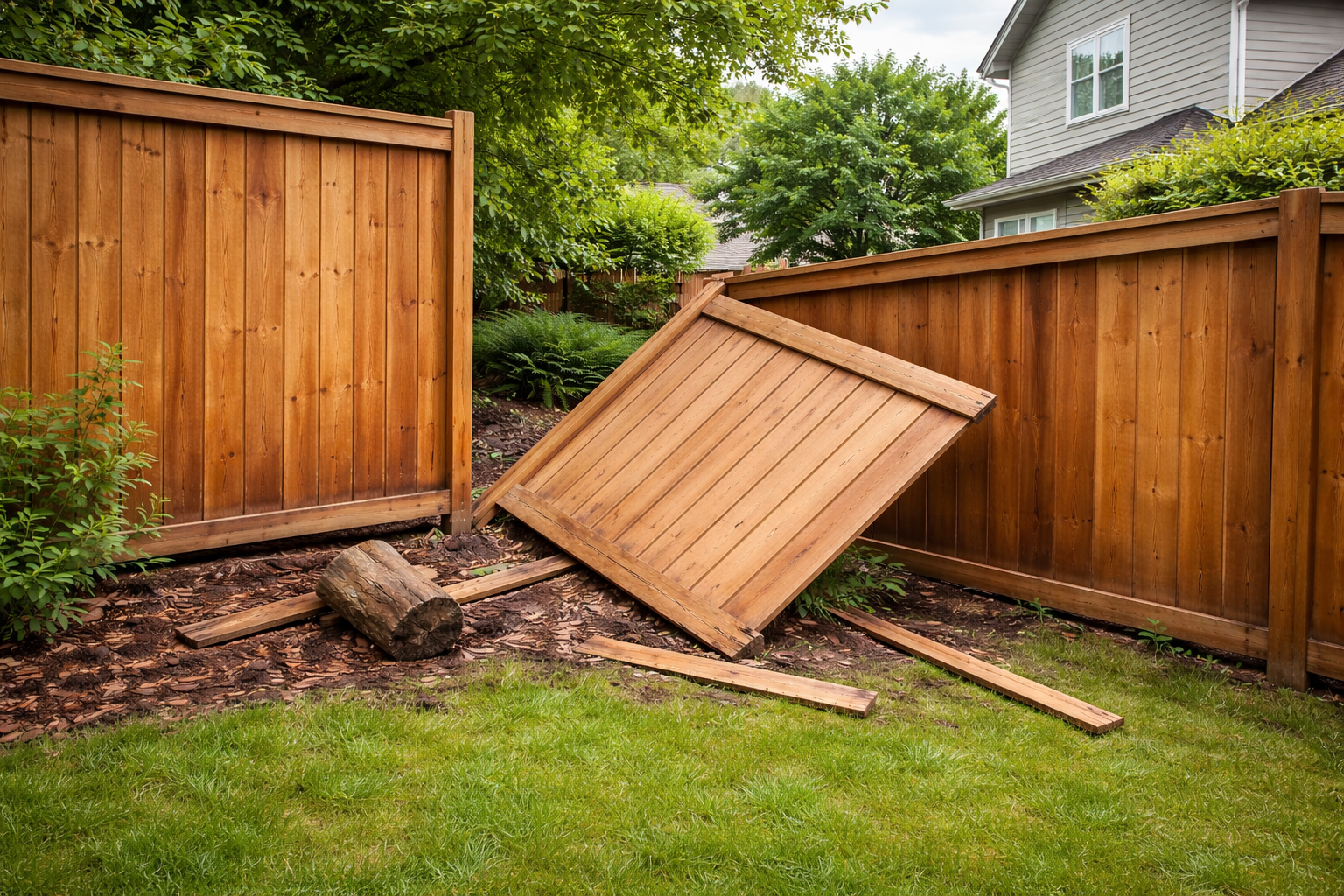
No, cedar posts should not be set directly in concrete in rainy climates like Seattle. When a cedar post is surrounded by concrete, moisture becomes trapped around the wood, which accelerates rot at the ground line. This is the most common failure point in a traditional cedar fence.
A cedar post on pipe system solves this problem by setting a galvanized pipe embedded in concrete, while keeping the cedar post elevated 2–3 inches above the ground, so the wood never absorbs soil moisture.
2. What is a cedar post on pipe system?
A cedar post on pipe system uses a galvanized steel pipe that is set in concrete as the structural support, with a cedar post mounted on top of the pipe.
The wooden post never touches the soil, which prevents rot, insect damage, and moisture decay. This post-on-pipe technology is one of the most durable fencing solutions for the Seattle area.
3. How long does a post-on-pipe fence last?
A well-installed post-on-pipe fence can last 20 to 25 years or longer, even in Seattle’s wet, rainy climate. Because the wood never touches the ground, the fence avoids the ground-line rot that causes standard wood or pressure-treated posts to fail early.
Many homeowners report that post-on-pipe fences last twice as long as traditional wooden posts.
4. Why do fence posts rot at the ground line?
Fence posts rot at the ground line because that is where moisture, soil, fungus, and insects come in direct contact with the wood.
The wood absorbs water, especially in a soggy environment like Seattle, leading to decay and structural failure. A post on pipe fence avoids this completely by keeping the cedar elevated above the soil.
5. Is a cedar post on pipe better than pressure-treated posts?
Yes, especially in the Pacific Northwest. While pressure-treated wood resists decay for a while, it still absorbs water and eventually breaks down in wet soil.
A cedar post on pipe keeps the wood entirely off the ground, combining the natural durability and beauty of western red cedar with the stability of galvanized steel, which results in far better longevity.
6. Can a cedar post on pipe handle Seattle’s rainy climate?
Absolutely. The system was practically designed for places like Seattle. Because the galvanized pipe handles all soil contact and the cedar post sits above the ground, the fence stays protected from constant rain, moisture, and erosion.
This makes it one of the most reliable and durable fencing solutions for the Seattle area.
7. How deep should the pipe go in a post-on-pipe fence?
In a standard post-on-pipe fencing installation, the pipe goes 2 feet deep into the ground and is then embedded in concrete. The depth provides stability, prevents leaning, and allows the fence to withstand storms, shifting soil, and long periods of heavy rain common in the Pacific Northwest.
8. Can I upgrade an existing fence to a cedar post on pipe system?
Yes. Homeowners often upgrade failing wooden posts to a post-on-pipe system without replacing the entire fence. Because the wooden section is detachable, we can install a new galvanized pipe foundation and mount cedar posts on top.
This is a great option if you want to increase durability and extend the lifespan of your existing fence line.



.png)







.svg)