.png)
.png)
Most Bellevue homeowners assume a fence is a simple weekend project. Then they discover permit requirements, setback rules, and Bellevue residential fence regulations that were never on their radar. Getting this wrong before construction begins costs real money.
This guide covers exactly when a building permit is required, what the Bellevue fence height limit is by yard location, how setbacks and property lines work, and what happens if you build without approval. Whether you are installing a wood privacy fence, a chain link fence, or replacing an existing structure, this is what you need to know first.
For a look at permitted fence projects we have completed across Bellevue, visit our residential fence and deck project portfolio.
Do I Need a Permit for a Fence in Bellevue?
Yes, in many cases you do. Under the City of Bellevue code, a building permit is required only when a fence is over 8 feet tall. That said, most standard residential fences are capped at 6 feet by zoning height limits, so a fence between 6 and 8 feet can run into height restrictions even when it doesn't need a building permit. Location and proximity to critical areas can trigger additional review regardless of height.
When a Permit Is Required
- Fence height over 8 feet: This is the building permit trigger under Bellevue code. (Note: standard zoning still limits most side and rear yard fences to 6 feet, so a fence between 6 and 8 feet can run into the zoning cap even without a permit)
- Fences near critical areas: Wetlands, steep slopes, and flood zones all require additional review regardless of height
- Fences adjacent to retaining walls: Combined height of fence plus wall may trigger permit requirements even if each structure is under the individual limit
- Fences near driveways or sidewalks: Location relative to the street and sight line regulations may apply
- Swimming pools: A fence enclosing a pool has its own safety requirements separate from standard residential fence regulations
When a Permit May Not Be Required
- Fence is 8 feet or under in height (and within the zoning height limit for its yard, usually 6 feet in side and rear yards)
- Located in the rear or side yard away from critical areas
- Not adjacent to a retaining wall or existing structure that creates a combined height concern
Always verify with the City of Bellevue Development Services before construction begins. Regulations change and site-specific conditions can affect what applies to your property.
What Is the Bellevue Fence Height Limit by Yard Location?
The Bellevue fence height limit varies depending on where on your property the fence is located. Front yards, side yards, and rear yards each have different rules under the City of Bellevue fence code.
Front Yard Fences
- Maximum height is generally lower in front yards than in rear yards
- Front yard setback fence rules in Bellevue typically restrict fences to 3 to 4 feet in height within the front setback area
- Taller fences in the front setback require review and may not be approved
- Corner lots face additional restrictions because of sight line requirements at intersections
Side Yard Fences
- Height limits are generally more permissive than front yards
- Side yard fences along a street-facing side of a corner lot are subject to front yard rules in that zone
- Check your specific zoning designation with the City of Bellevue land use code to confirm what applies
Rear Yard Fences
- Rear yard fences up to 6 feet generally do not require a permit under standard Bellevue residential fence regulations
- Fences taller than 6 feet in the rear yard exceed the usual zoning limit, and a building permit is required once a fence is over 8 feet
- Properties on a steep slope or near a wetland may face additional height restrictions regardless of yard position
💡 Pro Tip: If your property is on a corner lot, treat both street-facing sides as front yards for fence height purposes until you confirm otherwise with the City of Bellevue Development Services. Corner lot rules catch many homeowners off guard.
Fence Height Limits at a Glance: Bellevue Quick Reference
| Location | General Height Limit | Permit Typically Required? | Notes |
|---|---|---|---|
| Front yard / front setback | 3 to 4 feet | Possibly | Corner lot rules may apply |
| Side yard (interior lot) | Up to 6 feet | Generally no | Verify with city for your zone |
| Side yard (corner lot, street-facing) | 3 to 4 feet | Possibly | Treated like front yard |
| Rear yard | Up to 6 feet | Generally no | Over 6 ft exceeds zoning cap; permit over 8 ft |
| Any yard near critical area | Varies | Yes | Wetland, steep slope, flood zone |
| Pool enclosure fence | Specific safety height required | Yes | Separate pool fence code applies |
One important distinction this table reflects: the height figures above are mostly zoning limits, not permit triggers. In Bellevue, those are two separate things. Standard zoning caps most fences at 6 feet in side and rear yards and 3 to 4 feet in front setbacks, but a building permit isn't required until a fence exceeds 8 feet.
A 6-foot rear yard fence needs no permit and sits within the zoning limit, while a 7-foot fence may clear the permit threshold yet still run into the zoning height cap. Critical areas, pool enclosures, and retaining walls can trigger review on their own, regardless of height. Always confirm current requirements with City of Bellevue Development Services before building.
How Tall Can a Fence Be in Bellevue Without a Permit?
For most standard residential properties in Bellevue, a fence up to 6 feet in a rear or interior side yard sits within the zoning limit and needs no building permit. Permits aren't required until a fence exceeds 8 feet, but 6 feet is the practical ceiling for most fences. Front and street-facing side yards are lower, usually 3 to 4 feet.
Factors That Can Lower Your Effective Limit
- Proximity to a retaining wall: A fence on top of a retaining wall is measured together for height. The wall also needs its own permit once it's over 4 feet, so a wall-plus-fence combination usually requires review on top of the standard fence rules.
- Finished grade changes: If the ground slopes significantly, height is measured from finished grade on the higher side. A fence that looks like 5 feet on one side may measure taller from the other.
- Critical areas overlay: Properties in or near wetlands, steep slopes, or other designated critical areas may have lower height thresholds under the Bellevue land use code.
- HOA rules: Your homeowners association may impose height limits stricter than city minimums. HOA rules and city code both apply independently. Meeting one does not exempt you from the other.

Front Yard Setback and Property Line Rules in Bellevue
Setbacks define how far a structure must be from a property line, sidewalk, or street. Front yard setback fence rules in Bellevue apply to where your fence can be placed, not just how tall it can be.
Key Setback Rules to Understand
- Property line vs. fence line: Your fence must be placed on or inside your property line. Encroaching on a neighbor's property line, even slightly, can result in a removal order.
- Front setback area: Fences within the required front setback zone face the lower height limits described above. Building taller in this zone typically requires a variance.
- Easements: Utility and drainage easements on your property may prohibit fence installation entirely in certain strips of land. Check your property survey before you plan your fence line.
- Neighboring structures and access: Fences cannot block required access to utilities or drainage infrastructure on or adjacent to your property.
Corner Lot Considerations
- Both street-facing sides are subject to front yard rules
- Sight triangle requirements near driveways and intersections restrict both height and placement
- Corner lot homeowners should request a pre-application meeting with City of Bellevue Development Services before finalizing any fence plan
Special Cases That Trigger Additional Review
Some fence projects automatically require more scrutiny under Bellevue residential fence regulations regardless of height or standard setbacks.
Critical Areas
Bellevue designates certain land types as critical areas, including:
- Wetlands and their buffers
- Steep slopes (generally defined as slopes over 15 to 40 percent grade depending on zone)
- Flood hazard areas
- Habitat conservation areas
Any fence within or adjacent to a critical area requires review through the City of Bellevue Development Services before a building permit is issued. In some cases, installation may be restricted or prohibited entirely.
Swimming Pools
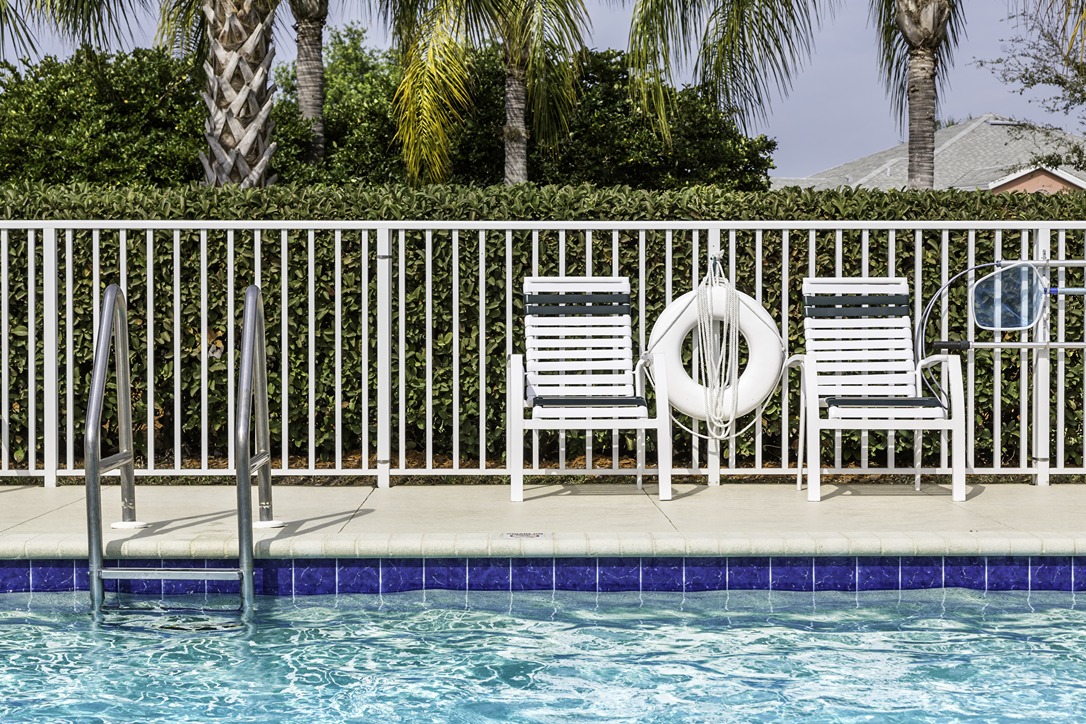
Pool safety fence requirements in Bellevue are governed by building code separate from standard residential fence regulations. If you are installing a fence around a swimming pool, the requirements are specific and non-negotiable.
For a detailed breakdown of pool fence safety requirements, read our guide on pool safety fence requirements for Bellevue homeowners.
Retaining Walls
- A fence built on top of a retaining wall is measured by combined height
- Combined height over the applicable limit triggers a permit
- Structural review may be required to confirm the wall can support the fence load
What Happens If You Build a Fence Without a Permit in Bellevue?
Building without a required permit creates serious problems. The City of Bellevue enforces its land use code and building permit requirements actively, and unpermitted structures are a liability.
Consequences of Skipping the Permit
- Stop work order: The city can halt construction immediately if work begins without approval
- Removal order: In serious cases, the city can require the fence to be taken down entirely at the homeowner's expense
- Fines: Penalty fees apply for unpermitted construction under Washington State and City of Bellevue regulations
- Resale complications: Unpermitted structures are flagged during home inspections and must be disclosed to buyers. They often require correction before closing.
- Insurance issues: Some homeowner insurance policies may not cover damage related to unpermitted structures
What If You Bought a Home With an Unpermitted Fence?
- Contact City of Bellevue Development Services to determine the path to compliance
- In some cases, a retroactive permit can be obtained after inspection
- In others, the fence may need to be modified or removed to meet current code
HOA Rules and City Code: Both Apply Independently
Many Bellevue homeowners assume that HOA approval means city approval. It does not. HOA rules and city code operate separately.
How They Interact
- HOA rules can be stricter than city code. Your HOA may require a shorter fence, a specific material, or prior written approval before construction begins.
- City code sets the minimum legal standard. Meeting HOA requirements does not mean your fence is code-compliant, and vice versa.
- Always get both approvals in writing before construction begins
What to Check With Your HOA
- Maximum fence height allowed by the association
- Approved fence materials (some HOAs prohibit chain link fences or require specific wood species)
- Required setback from the property line beyond city minimums
- Review and approval timeline before permits can be pulled
How to Get a Fence Permit in Bellevue: The Process
Getting a fence building permit in Bellevue is a straightforward process if you prepare correctly before you approach the city.
The Permit Application Process
- Confirm your zoning designation. Look up your parcel on the City of Bellevue online permit portal or call Development Services to identify your zone and applicable fence rules.
- Review your property survey. Locate your property lines, easements, and any critical area designations before drawing a fence plan.
- Prepare a site plan. Show the proposed fence location, height, material, and distance from property lines and existing structures.
- Check for HOA requirements. Obtain written HOA approval if applicable before submitting to the city.
- Submit your permit application. Submit through the City of Bellevue Development Services portal or in person at city hall.
- Wait for approval. Do not begin construction until the building permit is issued. Starting before approval is the most common and most costly mistake homeowners make.
- Schedule inspections. Some fence permits require one or more inspections during or after installation. Confirm inspection requirements at the time of permit issuance.
💡 Pro Tip: Professional fence contractors in Bellevue handle permit applications regularly. If the process feels overwhelming, working with a licensed contractor means someone who knows the City of Bellevue fence code is managing the paperwork on your behalf.
See our wood fence installation in Bellevue or vinyl fence installation pages.

Common Mistakes Bellevue Homeowners Make With Fence Permits
Even well-intentioned homeowners make these errors. They are all avoidable.
Mistakes to Avoid
- Starting construction before the permit is issued. This is the most common trigger for stop work orders and fines.
- Measuring fence height from the wrong point. Always measure from finished grade on the high side, not the low side.
- Ignoring combined height with a retaining wall. Many homeowners do not realize the wall and fence are measured together.
- Assuming HOA approval equals city approval. They are independent processes. Both are required.
- Placing the fence on the assumed property line. Always verify your actual property line from a current survey before installation.
- Forgetting about easements. Utility and drainage easements on your land may restrict where a fence can be placed regardless of height.
- Not checking for critical area overlays. Properties near wetlands or on steep slopes face additional restrictions that do not apply to standard lots.
If you are planning a fence installation in Bellevue and want to make sure every regulation is handled correctly from the start, our team is ready to help. Learn more about how we approach permitted fence and deck projects at Optima Fence and Deck.
Navigating Fence Permits Starts With Knowing the Rules
Fence permit requirements in Bellevue, WA are more detailed than most homeowners expect before they start planning.
Height limits vary by yard location. Setbacks and property lines govern placement. Critical areas add another layer of review. And HOA rules sit on top of all of it.
Getting it right from the start means no stop work orders, no fines, and no removal orders after the concrete sets.
If you want a team that handles permits, placement, and installation correctly the first time, reach out through our Bellevue fence and deck contact page for a free assessment from Optima Fence and Deck.
FAQs
Do I need a permit for a fence in Bellevue?
A building permit is required only for fences over 8 feet tall. However, standard zoning caps most residential fences at 6 feet in side and rear yards, and fences near critical areas, pools, or retaining walls may need review regardless of height. Always confirm with City of Bellevue Development Services.
How tall can a fence be in Bellevue, WA without a permit?
A fence doesn't need a building permit unless it's over 8 feet, but zoning limits most rear and interior side yard fences to 6 feet, and front yard or street-facing side yard fences to 3 to 4 feet. In practice the 6-foot zoning cap is the height most homeowners can build to without extra review.
What is the maximum fence height for front yards in Bellevue?
Front yard setback fence rules in Bellevue generally limit fences within the front setback area to 3 to 4 feet in height. Corner lots are subject to additional sight line restrictions that may further limit height and placement near driveways and intersections.
What happens if you build a fence without a permit in Bellevue?
Building without a required permit can result in a stop work order, removal order, or financial penalties under City of Bellevue regulations. Unpermitted fences also create complications during home sales and may need to be corrected or removed before a property can close.
Do HOA rules override City of Bellevue fence regulations?
HOA rules and city code apply independently. Your HOA may impose stricter height or material requirements than city minimums, and meeting one does not satisfy the other. Always obtain written approval from both your HOA and the City of Bellevue before installation begins.
Does a fence on top of a retaining wall need a permit in Bellevue?
Yes, in most cases. The City of Bellevue measures the combined height of a fence and the retaining wall it sits on. If that combined height exceeds the applicable limit for your yard location, a building permit is required even if each structure is individually under the threshold.









.svg)