.png)
.png)
Choosing the right fence for privacy isn’t just about picking a material that looks good. In the rainy, moist climate of the Pacific Northwest, especially around Seattle, durability, maintenance, and how well the fence actually blocks views are all key factors—since both aluminum and steel need solid panels or infill to provide true privacy.
With this guide, we'll help you understand how aluminum fence vs steel fences compare for privacy, maintenance, cost, and style, so you can make the final decision that is the right choice for your home.
Quick Overview: Aluminum Fence vs Steel Fence for Privacy
In a steel fence vs aluminum fence comparison, steel fences generally provide stronger privacy and security. Ornamental steel fences offer unparalleled strength and maximum strength, supporting solid panels and heavy gates, making them ideal for high-privacy needs but often come with higher upfront costs and ongoing maintenance. Aluminum fencing offers a lightweight, naturally rust-resistant, and affordable option with minimal upkeep, making it an excellent choice for moderate privacy.
How Privacy Is Achieved with Metal Fencing
When property owners think of aluminum vs steel fence for security, they often picture ornamental fences with vertical pickets spaced apart. These open designs define boundaries and offer curb appeal but don’t provide much privacy on their own.
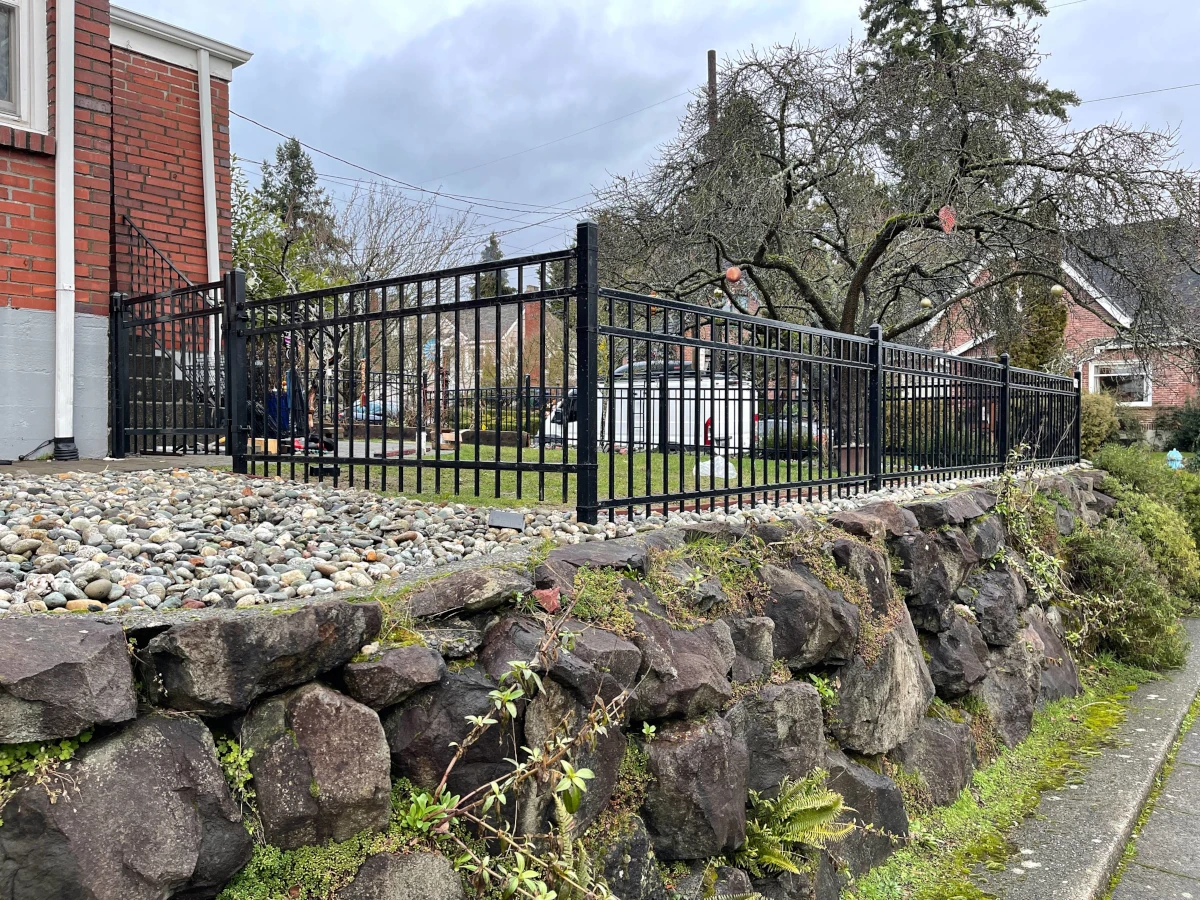
To create privacy with metal fence types, consider:
- Solid metal panels: Factory-made panels without gaps installed directly on posts and rails.
- Metal frames with wood, vinyl, or composite infill: Combining metal support with solid boards for a visual barrier.
- Add-on privacy slats: Often used with chain link but sometimes with metal fences for semi-private screening.
Noise reduction is limited with aluminum and better with heavier steel panels or hybrid systems using wood or composite boards.
Aluminum Fencing: Lightweight, Rust-Resistant, and Easy Installation
Aluminum fences are popular in residential settings, especially around pools or sloped yards where their light weight simplifies the installation process. Unlike steel, aluminum contains no iron, so it cannot rust or corrode, which makes it ideal for coastal regions and high humidity areas like Seattle.
Key Benefits of Aluminum Fencing for Privacy
- Lightweight: About four times lighter than steel, reducing labor and installation costs.
- Rust-resistant: Naturally corrosion-resistant and forms a protective oxide layer when exposed to air.
- Durable finish: Powder coating adds a protective layer and comes in various colors, including black, bronze, white, and custom tones, offering versatile design options.
- Minimal maintenance: Aluminum fence requires only occasional cleaning; no repainting or rust prevention needed.
- Upgradeable for privacy: Aluminum fencing offers enhancements with factory privacy panels, decorative screens, or integrated slats to reduce sightlines.
Limitations of Aluminum Fencing
- Standard picket designs have gaps: Without privacy panels, visibility through the fence remains.
- Less impact-resistant: Aluminum is softer and can dent or bend more easily than steel.
- Limited noise reduction: Aluminum panels don’t block sound as effectively as heavier materials.
- Privacy upgrades add cost: Adding solid infills or screens narrows the cost gap with steel fences.
Aluminum Fence Cost and Maintenance Requirements
When comparing aluminum vs steel fence cost, installed aluminum fences generally range from $25 to $45 per linear foot, though the final price depends on factors like fence height, terrain, coating quality, and local permitting requirements.
Over time, aluminum needs very little maintenance, just occasional washing and fastener checks. This makes aluminum fence a durable, cost-effective choice for long-term privacy.
Steel Fencing: Strong, Secure, and Ideal for Maximum Privacy
Steel fencing is heavier and denser, offering unparalleled strength and impact resistance. It is often chosen for commercial properties, industrial sites, and upscale residential areas where security and privacy are paramount.
Advantages of Steel Fencing for Privacy
- Supports solid panels: Steel frames can carry full-height metal, wood, vinyl, or composite boards for complete visual privacy.
- Superior impact resistance: Handles physical impacts and attempts at forced entry better than aluminum.
- Stiffness in wind: Steel fences flex less in storms, keeping tall privacy panels straight.
- Heavy gate capability: Supports large driveway gates and automated openers.
- Design flexibility: Steel fencing offers intricate patterns and classic wrought iron designs that complement various architectural styles, adding classic elegance to any property.
Challenges of Steel Fencing
- Heavier and harder to install: The installation process is more labor-intensive and costly, especially on steep or difficult terrain.
- Requires rust prevention: Steel fencing requires galvanization and powder coating to maintain its protective coating and prevent rust, plus periodic inspections and touch-ups.
- Higher upfront cost: Material and installation expenses typically exceed aluminum fences.
- Open picket styles lack privacy: Without privacy panels or infills, steel picket fences offer little visual screening.
Steel Fence Cost and Maintenance Requirements
Steel privacy fences typically range from $40 to $70 per linear foot installed. With proper protective coatings and regular upkeep, steel fences can last 25 to 30 years or more in wet climates like Seattle’s. Maintenance may include annual inspections, cleaning off road salt, and occasional rust-preventive touch-ups to help preserve their long-term value.
Comparing Aluminum and Steel Fences for Privacy and Performance
To better understand the differences and advantages of steel vs aluminum fence, the following table provides a detailed comparison of their essential characteristics.
Aluminum is lightweight, rust-resistant, and easy to install, making it a great option for moderate privacy in rainy Pacific Northwest conditions. Steel is heavier and requires more upkeep, but it delivers superior strength, full privacy with solid panels, and long-term durability for homeowners who prioritize security and maximum coverage.
Durability and Maintenance in Harsh and Extreme Weather Conditions
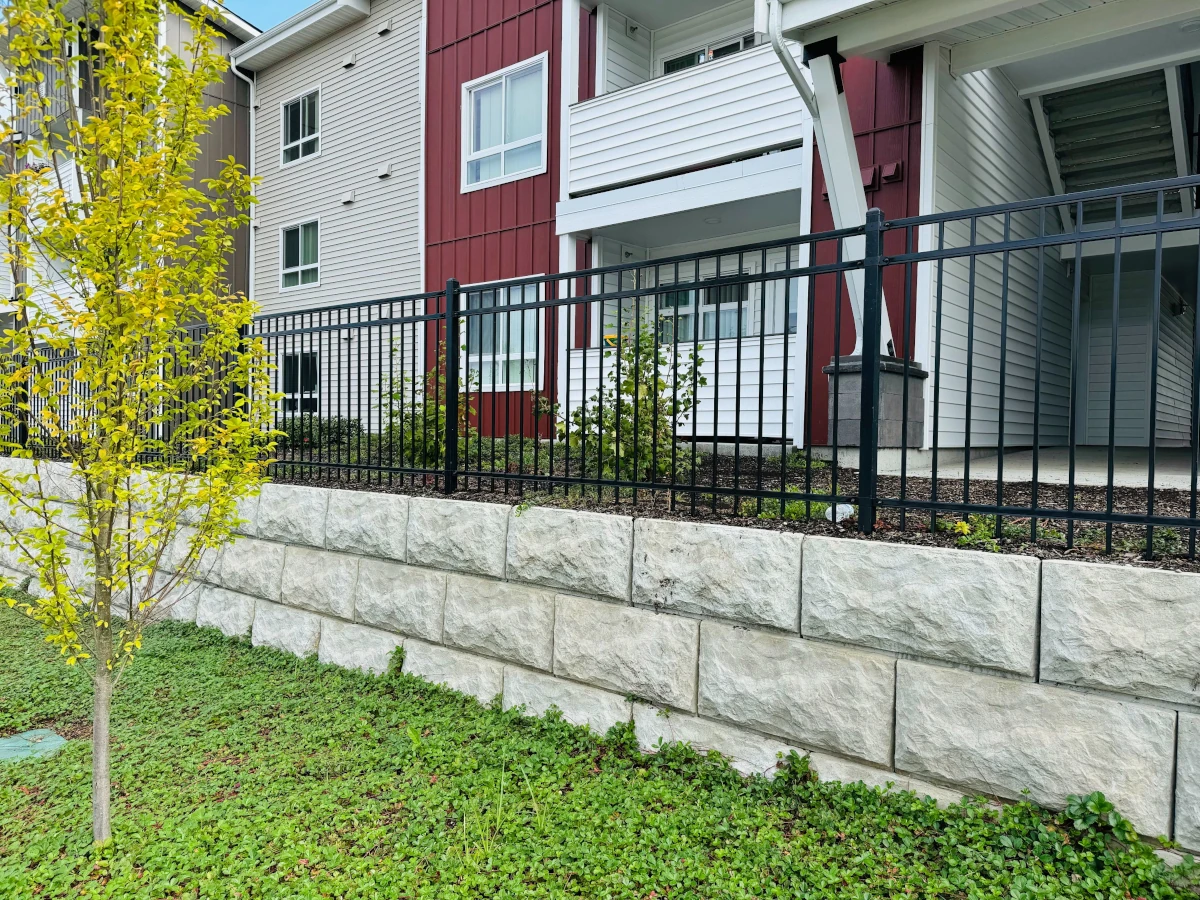
The Pacific Northwest’s wet climate puts fences to the test. Aluminum fencing offers exceptional durability in harsh weather conditions due to its natural corrosion resistance. Unlike steel, it does not require ongoing maintenance to prevent rust, making it an ideal choice for property owners in coastal or high humidity areas.
Steel fencing, while offering maximum strength, requires a protective layer of galvanization and powder coating to maintain its integrity under extreme weather conditions. Regular maintenance is an important consideration to maintain the fence’s appearance and function over time.
When comparing aluminum vs steel fencing, both types benefit from high-quality powder coatings that provide a durable protective layer, ensuring long-lasting performance in the damp and rainy conditions common throughout the Pacific Northwest.
Making the Final Decision: Which Fence Is Right for Your Home?
Choosing between a steel or aluminum fence ultimately depends on your priorities for privacy, maintenance, and long-term durability.
Choose Aluminum if:
- You want a low-maintenance, rust-proof fence.
- Your project involves sloped or hard-to-access terrain.
- Budget is a priority but you still want good privacy with add-on panels.
- You prefer a lightweight material with versatile design options and various color choices.
- Your fence is for pool enclosures, decorative boundaries, or moderate privacy.
Choose Ornamental Steel if:
- Maximum privacy and security are top priorities.
- You need a fence that withstands strong winds and impacts.
- You plan to install heavy gates or automated openers.
- You want intricate designs and classic elegance that complement various architectural styles.
- Long-term durability and strength outweigh upfront costs.
Getting Professional Help with Fence Installation
The best fence choice is the one that fits your property's needs and your lifestyle. When selected thoughtfully, your fence becomes more than just a boundary—it enhances privacy, security, and the aesthetic appeal of your outdoor space, providing lasting value and enjoyment.
If you’d like help deciding between aluminum vs steel fence options and want a team that can handle the entire installation process, Optima Fence & Deck can help. We work with property owners to explore material and style options, navigate local codes, and install fences that truly complement your home and meet your privacy needs. If you’re ready to enhance your outdoor space, contact us today to start the conversation.
FAQs
Can aluminum or steel fences be installed on sloped yards?
Yes. Aluminum’s lightweight panels are easier to adjust on steep slopes, making installation simpler. Steel fences offer extra rigidity, which is beneficial for tall privacy fences on uneven terrain.
How do aluminum and steel fences handle storms?
Open-picket fences allow wind to pass through, helping them perform well during storms. Solid steel panels provide better wind resistance than aluminum, especially at taller heights.
Do local codes affect fence choice?
Yes. Many cities and homeowners associations regulate fence height, style, and placement. Consulting with professional contractors helps ensure your fence meets all local requirements.
Which fence type is better for pet containment?
Both aluminum and steel fences can effectively contain pets when properly installed. Steel’s strength offers extra durability against active pets, while aluminum’s smooth finish is less likely to cause injury.
How long does the installation process typically take?
Installation time varies by fence size and terrain but generally takes a few days for most residential projects. Aluminum fences often install faster due to their lighter weight, while steel may require more labor and time.


.png)







.svg)