.png)
.png)
How to Clean Vinyl Fence Surfaces in a Wet Climate
In most parts of the country, cleaning a vinyl fence is a once a year garden hose rinse. In the Pacific Northwest, you're dealing with green algae and moss growth from October through May, and that changes the entire maintenance routine.
Knowing how to clean vinyl fence panels the right way for this climate protects the surface and keeps stains from becoming permanent. Vinyl fence care Pacific Northwest wide follows a seasonal rhythm rather than a single annual task.
How Often Should You Clean a Vinyl Fence?
So how often does a vinyl fence actually need cleaning here? Cleaning your vinyl fence every 3 to 6 months helps remove dirt, algae, and mold before it sets in, with one deeper clean each spring as the main event. Knowing how to clean vinyl fence surfaces on this kind of schedule keeps stains from ever becoming permanent.
Between deep cleans, rinse your fence monthly to prevent staining, and in dry stretches during pollen season, a quick rinse prevents buildup from baking onto the surface. Trim vegetation around your fence to improve air circulation, since shaded, damp sections of fence line are where algae growth tends to start first.
A Seasonal Vinyl Fence Maintenance Calendar
Vinyl fence maintenance tips work best when tied to the season rather than applied randomly throughout the year. Here's a general breakdown of what each season calls for.
💡 Pro Tip: Summer heat causes vinyl to expand slightly, which can loosen post caps that were snug in cooler months. A quick check each summer catches this before caps go missing entirely.
Cleaning Your Vinyl Fence Step by Step
Spring is when most homeowners tackle the deep clean that undoes a wet Pacific Northwest winter. Here's a reliable process for that main cleaning event.
- Rinse the entire fence first. Use a garden hose to remove loose dirt, grass clippings, and debris before applying any cleaning solution.
- Mix your cleaning solution. For routine cleaning, a mixture of warm water and mild dish soap works well. For algae specifically, mix one part vinegar with three parts water.
- Work in small sections. Apply the solution with a sponge, spray bottle, or soft brush, and let it sit briefly on stubborn stains before scrubbing.
- Scrub gently. A soft bristled brush is recommended for scrubbing vinyl fences to avoid scratches, especially on textured faux wood vinyl surfaces.
- Rinse thoroughly. Rinse each section before the cleaning solution dries, since soap residue left in direct sunlight can cause streaking.
- Test first. Always test cleaning solutions on a hidden section first, particularly if you're using anything stronger than mild soap.
💡 Pro Tip: Avoid cleaning vinyl fences in direct sunlight. Solutions dry too fast in full sun, which often causes streaking you'll then need to clean a second time.
How to Remove Green Algae From a Vinyl Fence
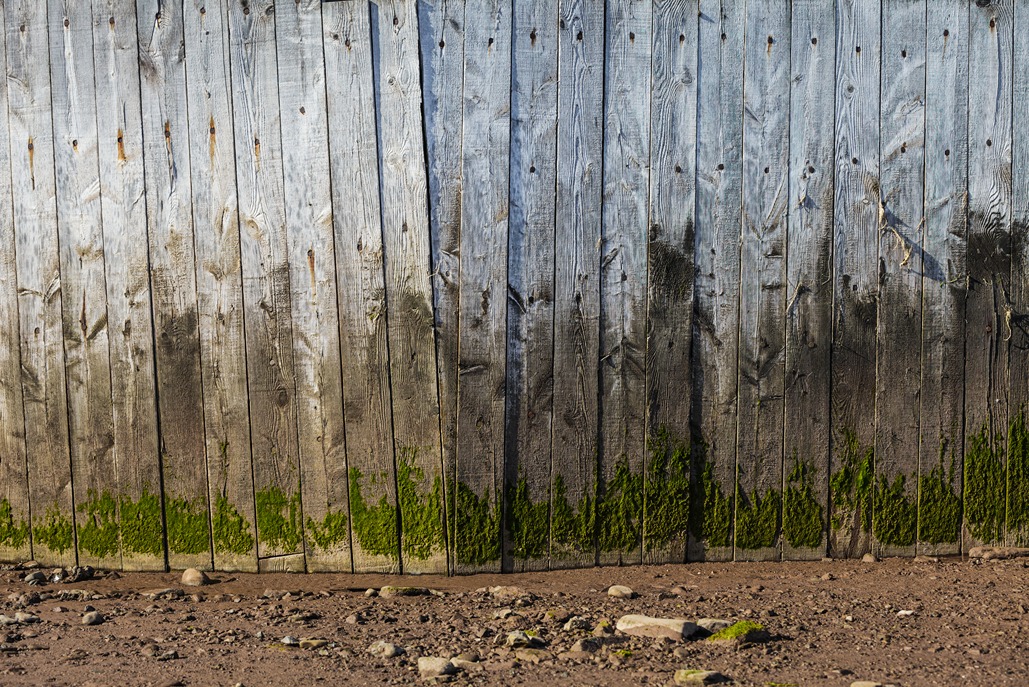
How to remove green algae from vinyl fence surfaces is one of the most common questions Pacific Northwest homeowners search for, and the fix is usually straightforward. Mix one part vinegar with three parts water, apply it to the affected area, and let it sit for several minutes before scrubbing.
Vinegar kills mold and mildew on vinyl fencing effectively without the harshness of stronger chemicals. For more stubborn algae growth, cleaning mold and mildew may require a bleach solution on white vinyl fences, generally diluted to about one cup of bleach per gallon of water.
Diluted bleach can effectively clean tough stains on vinyl, but it can also degrade vinyl and harm surrounding plants if used too often or too strong. Rinse thoroughly after any bleach application, and keep it away from nearby landscaping. Knowing when to use bleach and when to stop is a core part of vinyl fence care that most Eastside homeowners learn by experience.
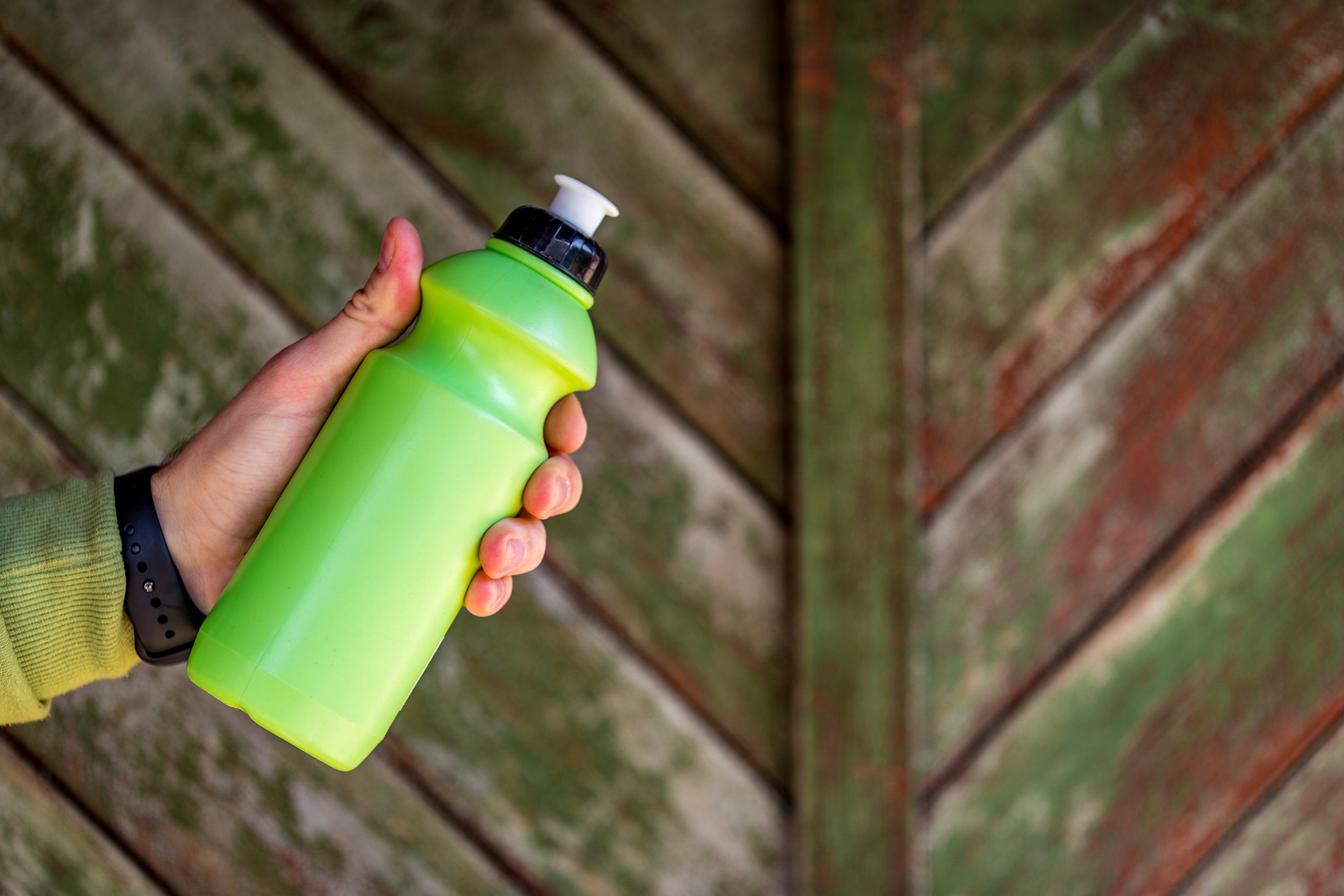
Cleaning Solution Comparison: What to Use and When
Different stains call for different solutions, and using the wrong one can waste time or risk damage. Here's a quick comparison to guide your choice.
How to Clean White Vinyl Fence Without a Pressure Washer
Not every homeowner owns or wants to rent a pressure washer, and that's not a problem. Here's how to clean vinyl fence surfaces without a pressure washer, using the same basic tools most people already have. If you're not sure whether what you're seeing is a cleaning issue or something that needs a repair, our team can take a look. Reach out for a free assessment.
- A garden hose for rinsing
- A bucket of warm, soapy water
- A soft brush or sponge for scrubbing
- A spray nozzle for rinsing hard to reach sections
This approach takes a bit more elbow grease but works well for routine maintenance and light staining. Save the pressure washer for the deeper spring clean if algae has really taken hold.
How to Clean Vinyl Fence With Pressure Washer Safely
Using too much pressure can damage vinyl surfaces, so pressure washing should be done carefully and under cooler conditions. A power washer can force water behind fence panels if held too close, which leads to trapped moisture and long term problems.
Keep pressure between 800 and 1200 PSI at most, and never go higher. Hold the nozzle at least three feet from the surface, and keep it moving rather than focusing on one spot. Faux wood vinyl textures are especially sensitive to close range, high pressure spray, since the textured surface can be stripped or scarred more easily than smooth panels.
Why Is My White Vinyl Fence Turning Yellow?
Vinyl fence yellowing is one of the most common complaints from white vinyl fencing owners, and it's almost always related to UV exposure. Years of direct sunlight gradually change the surface color, especially on south facing sections of fence line. Cleaning vinyl fence Seattle wide won't fully reverse advanced vinyl fence yellowing, but it can noticeably improve the surface in most cases.
A Magic Eraser or an oxalic acid based cleaner can often improve minor yellowing significantly. If yellowing is widespread across the entire fence rather than isolated to sun exposed areas, it may point to a lower grade UV inhibitor in the vinyl itself, which is worth discussing with your original installer or checking against your warranty coverage if the fence was recently installed.
Scuffs and Marks: Small Fixes for a Big Difference
Scuff marks show up on vinyl fencing from bikes, mowers, furniture, and everyday yard traffic. Most are cosmetic, and most respond well to simple fixes rather than a full panel replacement.
For light scuff marks on smooth privacy panels, a Magic Eraser generally handles the job in a minute or two of gentle rubbing. Stubborn stains on vinyl fences can often be treated with a Magic Eraser even when soap and water alone haven't worked. For grease marks specifically, a paste of baking soda and water lifts the stain without scratching the surface.
Faux wood vinyl textures are trickier. The textured surface holds onto scuffs differently than smooth panels, and deep scratches in faux wood vinyl have limited touch up options once they happen. Prevention matters more here than on smooth panel styles, so keep sharp tools, bikes, and lawn equipment away from textured sections whenever possible. Test any scuff removal method on a small, hidden area first, since even gentle products can dull the surface finish if overused.
What Not to Do When Cleaning Vinyl Fencing
A handful of habits cause more damage than the stains they're meant to fix. These vinyl fence maintenance tips work in reverse, telling you what to avoid rather than what to do, and avoiding them keeps your vinyl fence maintenance routine safe for the material.
- Never pressure wash faux wood vinyl at close range. The textured surface is more vulnerable to stripping than smooth panels.
- Never use abrasive scrubbers on polished privacy panels. Scouring pads and rough sponges can dull the glossy finish permanently.
- Never use petroleum based cleaners. These can break down vinyl over time, even if they seem to clean effectively at first.
- Never skip the rinse step. Leftover soap or cleaning solution can attract dirt and cause streaking once it dries.
Why Vinyl Fence Maintenance Is Worth the Effort
Some homeowners wonder if vinyl fence care Pacific Northwest wide is really necessary, given how durable the material is known to be. The honest answer is that vinyl fence maintenance protects appearance more than structure, but appearance matters for curb appeal and resale value.
A neglected white vinyl fence covered in green algae and yellowing stains looks worn well before the material itself actually fails. Vinyl fencing is durable and withstands harsh weather conditions on its own, but regular cleaning is what keeps it looking like a fresh installation year after year rather than a tired one.
Inspect your fence regularly for early signs of damage while you're already out cleaning it. Catching a loose post cap, a small crack, or a section starting to lean early is far easier to address than waiting until a small issue becomes a bigger repair.
How to Clean White Vinyl Fence Sections Differently Than Colored Vinyl
White vinyl shows dirt, algae, and yellowing more visibly than tan, gray, or other darker finishes, which is why most vinyl fence maintenance tips focus specifically on white vinyl fencing. White vinyl fence maintenance often means slightly more frequent attention, simply because staining is so much more visible against a bright white surface.
Colored vinyl still needs the same basic care, including rinsing, soap and water cleaning, and occasional algae treatment. The main difference is forgiveness. A light layer of pollen or dust that would show clearly on white vinyl often goes unnoticed on tan or gray panels for longer, though it still affects the surface over time.
Vinyl Fence Care in the Pacific Northwest: Keeping It Simple
Learning how to clean vinyl fence surfaces really comes down to matching the right solution to the season and the stain. A little rinsing through summer, a deeper clean each spring, and quick attention to any scuffs or yellowing keeps white vinyl fencing looking new for years. If your fence needs more than cleaning, our vinyl fence team can also help with repairs or a full replacement. Reach out anytime to talk through what your fence needs.
FAQs
What is the best cleaner for vinyl fence surfaces?
Mild soap and warm water works well for routine cleaning, while a vinegar and water mixture handles most algae growth. Diluted bleach is generally reserved for tougher mold and mildew on white vinyl.
How do I clean green mold off white vinyl fence panels?
A diluted bleach solution, roughly one cup per gallon of water, is typically effective on stubborn mold and mildew. Apply with a soft brush, let it sit briefly, then rinse thoroughly to avoid residue.
Can I pressure wash my vinyl fence?
Yes, but keep pressure low, generally between 800 and 1200 PSI, and hold the nozzle at least three feet away. Faux wood textured panels are more sensitive to high pressure than smooth surfaces.
Why does my vinyl fence keep getting algae?
Shaded, damp sections of fence line are the most common spots for algae growth, especially during the Pacific Northwest's wet months. Trimming nearby vegetation to improve air circulation often reduces how often algae returns.
Will cleaning remove scuffs and scratches from vinyl?
Light scuffs often respond well to a Magic Eraser, but deeper scratches, especially on faux wood textures, have limited repair options. Prevention, like avoiding abrasive tools, is generally more effective than fixing damage after the fact.










.svg)