.png)
.png)
If you are specifically comparing wood against vinyl side by side, our wood vs. vinyl fence cost and maintenance guide breaks that comparison down in full. This post answers a different question: whether vinyl earns its premium at all for a Pacific Northwest property.
If you have narrowed your search down to one material, you are probably asking one question: is vinyl fence worth it once you factor in the upfront cost? Some homeowners phrase it as is a vinyl fence worth it, while others want vinyl fence Pacific Northwest specific facts. Many homeowners in Seattle, Bellevue, and across King and Snohomish County ask us the same thing.
This guide skips the sales pitch and walks through real numbers, weather concerns, and honest tradeoffs so you can decide with confidence, whether you call Optima Fence and Deck or another local fencing options provider.
Is Vinyl Fence Worth It? The Short, Honest Answer
For most homeowners who want a fence they can forget about for decades, yes, vinyl fencing earns its premium. Vinyl fence longevity, low upkeep, and weather resistance offset the higher price tag for many properties in our region. That is the core advantage vinyl fencing offers for vinyl fence Pacific Northwest homeowners. But it is not the right answer for every yard or every budget, and the rest of this guide explains why.
When people ask is a vinyl fence worth it, this is generally the answer: vinyl fences last 20 to 30 years with minimal upkeep, and premium panels can push toward 50, while wood fences typically need staining or painting every 2 to 3 years. If you hate maintenance chores more than you mind a bigger check upfront, vinyl fencing tends to win. If your budget is tight right now, that math changes.
What Does Vinyl Fencing Actually Cost Upfront?
So how much more does vinyl fencing cost compared to wood? Generally, vinyl fencing costs 10 to 40 percent more upfront than a comparable wood fence project. That premium covers the material itself and the professional installation labor that goes with it.
Installation costs for vinyl fencing typically range from $2,000 to $5,000 for an average residential project, though your final number depends on fence length, style, and site conditions. On a per foot basis, vinyl fence installation in our area generally starts around $45 per linear foot for materials and labor combined, though this varies by project.
💡 Pro Tip: Ask your installer for a written free estimate that breaks out materials, labor, and any site prep. It makes comparing bids far easier.
That upfront investment is easier to swallow once you look at the math over time. Vinyl requires no annual maintenance costs like painting or treating wood for insects, so a low maintenance vinyl fence often narrows the total cost of ownership gap within a decade.
Labor costs also factor in, since professional installation takes real skill to set fence posts level and click interlocking pieces together cleanly. Paying for quality installation upfront protects your investment for the long haul.
Vinyl Fence Pros and Cons: A Realistic Breakdown for Seattle Yards
Here are the vinyl fence pros and cons Seattle homeowners bring up most often, including the benefits of vinyl fencing and the vinyl fence advantages and disadvantages that matter most for our climate, without the marketing spin.
Advantages of vinyl fencing:
- Vinyl does not rot, warp, or decay like wood, even in our wet climate.
- Vinyl is more fire resistant than wood fencing, an added safety benefit.
- Vinyl fencing requires no staining or sealing, ever.
- Installation is generally quicker than a comparable wood fence project.
- Vinyl fences need only occasional cleaning with soap and water.
Vinyl fence disadvantages to weigh:
- Higher upfront investment than wood or other fencing materials.
- Lower quality vinyl can fade or become brittle over time.
- Style and color changes mean replacing panels, not repainting.
- Extreme cold snaps can occasionally cause cracking in aging panels.
This advantage vinyl fencing holds over wood comes down to one theme: less ongoing work for a bigger check today.
Vinyl Fence Problems in Pacific Northwest Winters
Does vinyl fencing actually struggle here? A little, in specific conditions, and these are the real disadvantages of vinyl fencing worth planning around. Vinyl can become brittle in extremely cold temperatures and may crack, though this is uncommon in most King and Snohomish County winters, and a properly installed low maintenance vinyl fence still holds up well through our typical wet season.
Real vinyl fence problems Pacific Northwest homeowners report tend to fall into a few categories:
- Occasional brittleness during rare hard freezes, especially in older or lower grade panels.
- Algae or mildew film on shaded, damp fence lines, which wipes off easily.
- Minor fading if the vinyl faces direct summer sun for years without UV protection.
- Impact cracks near gates or high traffic areas if installed with cheaper hardware.
High quality vinyl is engineered to resist impacts and UV fading, which is why the installer and product grade matter as much as the material choice itself. Manufacturers who back their vinyl fencing with a solid warranty tend to use thicker walled panels that hold up better through repeated freeze and thaw cycles each winter. Even with these occasional issues, vinyl's edge over higher maintenance materials holds up well through a typical Northwest winter.
Does Vinyl Fence Fade in Pacific Northwest Sun?
Yes, some vinyl can fade, but usually less than homeowners expect here. Does vinyl fence fade the way people worry about? Lower grade vinyl exposed to years of direct, unfiltered sun can lighten over time. Our mostly overcast climate actually works in vinyl's favor compared to sunnier regions.
💡 Pro Tip: Ask about UV inhibitors built into the vinyl formulation before you buy. It is the single biggest factor in how well a fence resists fading.
Vinyl is constructed from PVC, a synthetic and non-biodegradable material engineered with additives that resist sun damage. Better manufacturers build UV resistance directly into the panels rather than relying on a surface coating that can wear away.
Homeowners who chose budget vinyl a decade ago sometimes see a chalky, faded look on the sun facing side of their fence. Current manufacturing standards have closed much of that gap, and most reputable brands now build fade resistance in from the start.
Vinyl Fence Longevity: How Many Years Should You Expect?
Vinyl fences reliably last 20 to 30 years with proper installation, and the best-built panels can stretch toward the 50 year mark with basic care. That kind of vinyl fence longevity is hard for other fencing materials to match without ongoing labor.
Your fence project is also covered by our workmanship warranty, so if something does go wrong with the installation itself, you are protected beyond the manufacturer's material warranty.
How Low Maintenance Is a Vinyl Fence, Really?
Homeowners hear "maintenance free fence" and wonder if that is an exaggeration. For true maintenance free fencing seekers, it mostly is not.
- No painting, staining, or sealing required, ever.
- Rinse with a garden hose or wipe with mild dish soap for tougher spots.
- No annual insect treatment the way natural wood sometimes needs.
- No sanding down splinters or replacing warped boards.
- Occasional gate hardware check is really the only recurring task.
Vinyl fencing requires minimal upkeep compared to wood, which is exactly why so many busy homeowners land on it. That is the low maintenance vinyl fence promise most homeowners are chasing, and it is also why a true maintenance free fence keeps coming up in searches. Whether it counts as a true maintenance free fencing option depends on your standards, but compared to traditional wood, it comes close.
Getting Your Vinyl Fence Installed: What the Process Looks Like
Professional installation is recommended for vinyl fencing, since the interlocking pieces need to line up correctly for the fence to look right and hold up over time. Here is roughly what the process looks like from start to finish.
- A site visit to measure your yard, check the ground for obstacles, and confirm your fence project scope.
- A design conversation covering fence styles, height, and color options for your property.
- Ordering materials and scheduling your installation date.
- Fence post placement, which requires minimal tools but real precision to keep everything level.
- Panel and rail installation, connecting the interlocking pieces section by section.
- A final walkthrough to confirm gates, latches, and finish work meet your expectations.
💡 Pro Tip: Ask your installer how they handle uneven or sloped yards. Good installers rack or step the panels so the fence still looks clean on grade changes.
If you want a team that has handled this exact process across Bellevue and the Eastside, our vinyl fence installation service walks you through every stage before work begins. A clean installation also protects your property value, since a fence that leans or gaps poorly can hurt curb appeal instead of helping it.
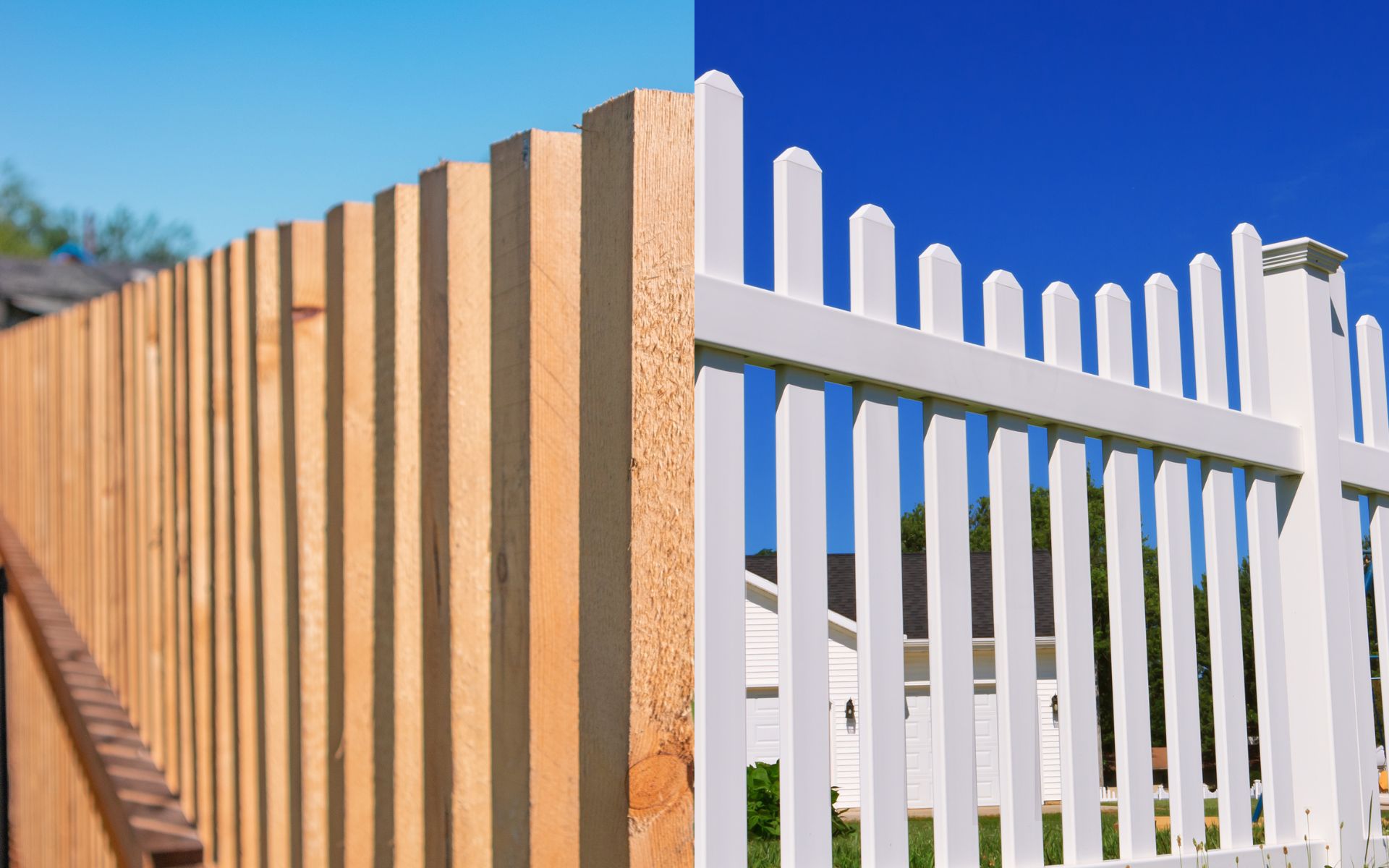
Vinyl vs Wood: Which Fence Actually Pays Off?
That is one of the clearest benefits of vinyl fencing: it saves money on maintenance compared to wood over its much longer lifespan. Weighing the pros and cons of vinyl fencing this way, wood still wins on upfront cost and on that natural beauty some homeowners simply prefer.
Is a Vinyl Fence a Good Investment for Your Property Value?
Is a vinyl fence a good investment when it comes time to sell? Generally, yes, and that holds true across most price points we see locally. Vinyl fencing typically recovers about 65 percent of its cost in resale value, and vinyl fencing can provide predictable long term ownership costs over its lifespan, which buyers notice during a home inspection.
Many homeowners also value the curb appeal boost. Vinyl fence styles range from classic picket styles to full privacy panels, so you can match your property's character while adding a fence that will not need attention for decades. Decorative caps, varied rail heights, and multiple colors mean a vinyl fence rarely looks generic once installed correctly.
Common Mistakes to Avoid When Choosing Vinyl Fencing
- Skipping professional installation to save money, then dealing with uneven posts later.
- Choosing the cheapest vinyl grade without asking about UV protection.
- Ignoring local permit or property line rules before fence posts go into the ground.
- Forgetting to request your free estimate in writing before work begins.
- Assuming all vinyl fence styles cost the same, when height and design change pricing.
Getting these details right upfront saves homeowners real money and frustration.
Final Thoughts
So is vinyl fence worth it in the Pacific Northwest? For most homeowners who want a low maintenance fence they will not touch for 25 years, the answer is yes. The upfront cost buys back decades of weekends you will not spend staining or repairing a fence.
If your budget is tighter or you want more flexibility to change colors down the road, wood or other fencing materials still deserve a look. Ready to compare real numbers for your property? Reach out to our team for a free quote and we will walk you through your options in person.
FAQs
Is a vinyl fence a good investment for a Pacific Northwest home?
For most homeowners staying put 10 or more years, yes. Long vinyl fence longevity and low upkeep tend to outweigh the higher upfront cost over time.
What are the disadvantages of vinyl fencing?
The main disadvantages are a higher upfront price and limited ability to change color later. Lower grade panels can also fade faster and carry a small risk of cracking in extreme cold.
Does vinyl fence fade over time?
Lower quality vinyl can fade with years of direct sun exposure. High quality vinyl with built in UV protection resists fading far better than budget panels.
Are there maintenance free fence options besides vinyl?
Some metal and composite fencing also require little upkeep, though each has its own tradeoffs in cost and appearance. Vinyl remains one of the most popular maintenance free choices for homes.
How long does vinyl fencing actually last?
Vinyl fences typically last 20 to 30 years with basic cleaning and care, and premium panels can last longer. Actual lifespan depends on installation quality and the grade of vinyl used.









.svg)