.png)
.png)
What's the Actual Difference Between Cedar Post on Pipe and a Standard Wood Post?
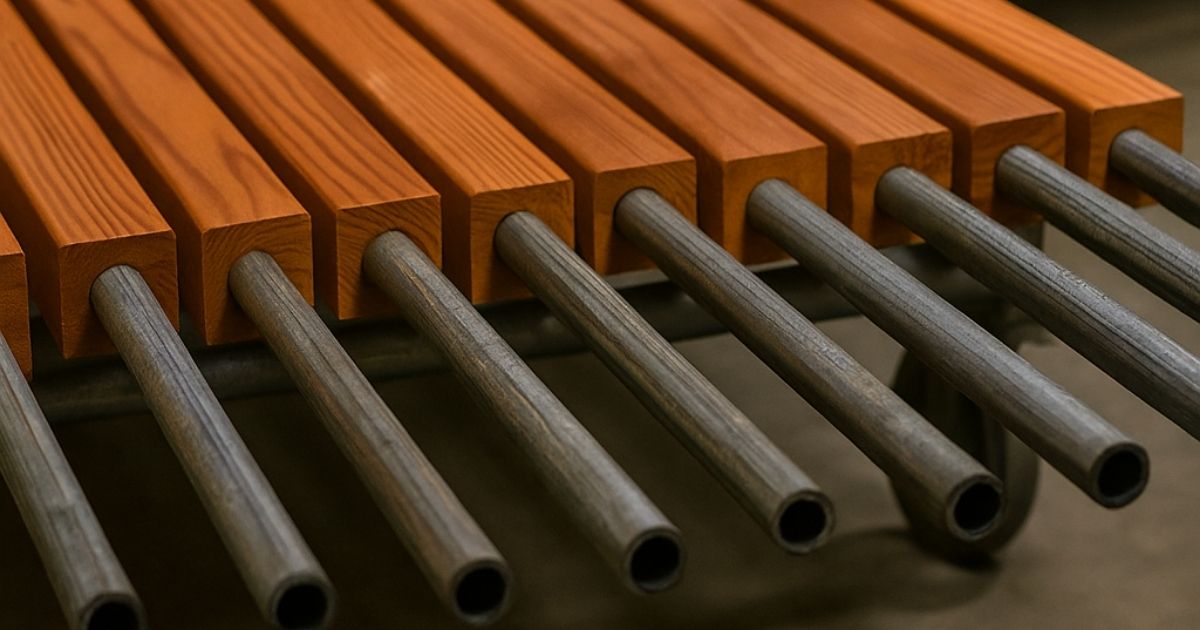
A standard cedar fence post is a single piece of wood driven into the ground and set in concrete. A post on pipe fence adds a steel pipe core inside the section that makes ground contact, so the wood sits above it instead of inside the soil. Understanding cedar post on pipe vs wood post differences starts with this one structural change. For the climate-specific reasoning behind why this system holds up in Seattle's wet winters, our cedar post on pipe durability guide covers the PNW conditions in detail.
The wood never touches wet ground in a cedar post on pipe system. The steel pipe carries the structural load and handles all soil contact, while the cedar board attaches above grade where it stays dry. Cedar post on pipe Seattle installations rely on this exact principle to hold up through our wettest months. That single change is the whole difference between the two systems mechanically.
How Does a Standard Cedar Post Actually Fail?
So how does a standard cedar post actually fail over time? Wood to soil contact is the primary cause of rot and structural failure in wooden posts, and the process is fairly predictable once you understand it.
Moisture enters at the concrete to post interface first, then works its way up through the end grain of the wood. Rot typically begins at the soil line of treated posts, since that's exactly where moisture, oxygen, and wood fibers all meet at once. In Pacific Northwest conditions, this failure often starts within 10 to 20 years, depending on soil and installation quality.
- Year round rainfall saturates soil in the Pacific Northwest
- Clay heavy soils trap moisture, accelerating wood decay
- Freeze thaw cycles widen cracks in treated wood posts over time
- Moisture enters treated wood through cracks and fastener holes
💡 Pro Tip: If a fence post is going to fail, it almost always shows the first signs at the soil line, not higher up the post. That's the spot worth checking first during any inspection.
How Post on Pipe Prevents That Same Failure
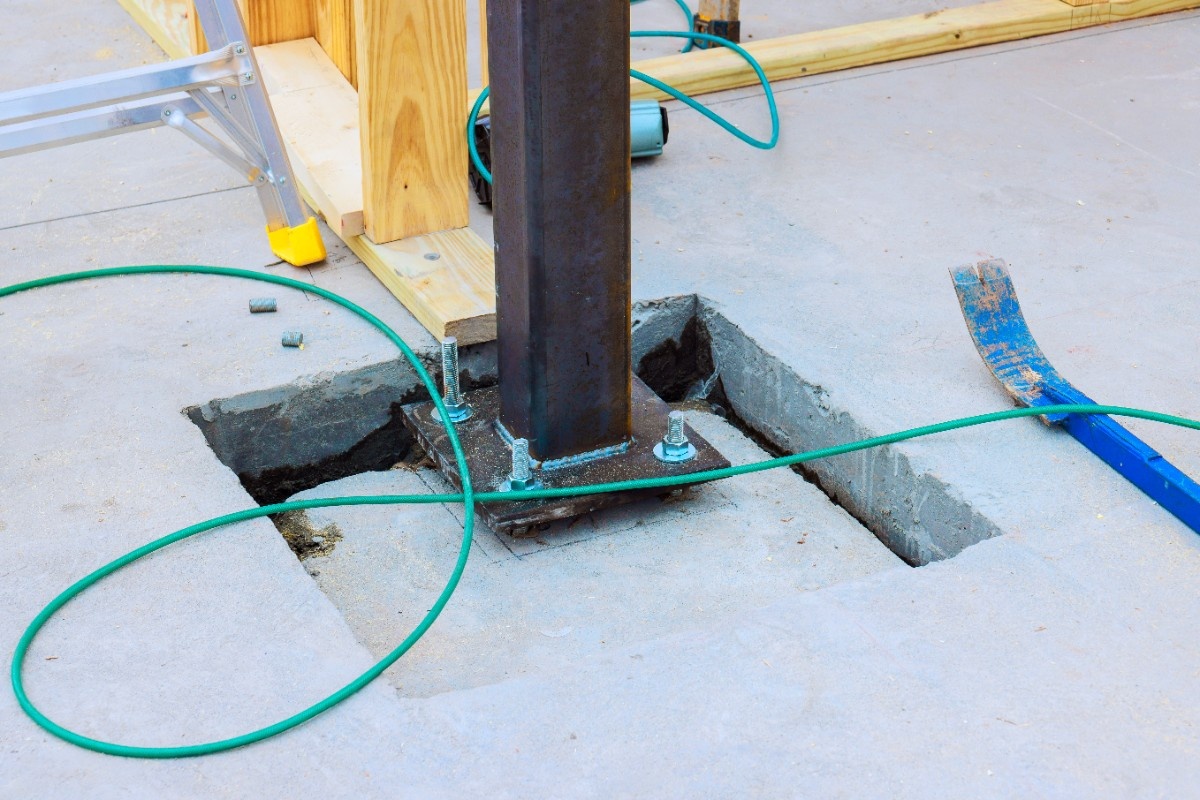
Post on pipe prevents the soil line failure by removing the wood from the equation entirely at ground level. A galvanized pipe fence post goes into the ground and concrete instead, handling every bit of the load and moisture exposure that would otherwise reach the wood.
Galvanized steel provides superior stability in wet conditions, resisting the rot, insects, and decay that eventually break down buried wood. Cedar post on pipe Seattle installations keep the visible cedar section entirely above grade, typically two to three inches off the ground, so it stays dry no matter how saturated the soil gets underneath.
Standard Cedar Post vs Post on Pipe: A Side by Side Look
Here's how the two systems compare directly, based on typical performance in Pacific Northwest conditions.
Treated wood posts often fail within 10 to 20 years, and in unfavorable soil conditions or with poor installation quality, that timeline can run shorter still. Cedar post on pipe lasts 20 to 30 plus years by comparison, since the wood to soil contact that causes most failures is designed out of the system from the start.
What a Failing Standard Post Actually Looks Like
Homeowners rarely notice post failure until the fence itself starts showing problems. So what are the visible warning signs worth watching for?
- A fence line that leans slightly in one or more sections
- Soft, spongy wood when pressed near the base of the post
- Visible cracking or splitting right at the soil line
- A post that snaps cleanly at ground level during wind or light impact
- Fence panels that no longer sit flush against neighboring sections
Regular cedar posts can warp or check over time when buried in soil, even before full failure sets in, so these smaller signs are worth addressing early rather than waiting for a post to snap outright.
Repairing a Post on Pipe System vs a Standard Post
Numbered out, here's what repair actually looks like for each system when something eventually needs attention.
- Standard post repair. The old post is removed, which often means breaking out the surrounding concrete footing.
- New post placement. A replacement wood post fence section is set in fresh concrete, repeating the same soil contact that caused the original failure.
- Post on pipe repair. In most cases, only the cedar board section needs replacing, since the steel pipe fence post underneath remains sound. Cedar fence post replacement on an existing pipe system is quick compared to starting from scratch.
- Board reattachment. The new cedar section is fastened to the existing galvanized pipe, with no concrete work required at all.
Maintaining a cedar look can be more challenging with post on pipe systems due to visible hardware at the transition point, but the tradeoff is a repair process that skips the most labor intensive part of standard post replacement entirely. When comparing cedar post on pipe vs wood post repair costs over a fence's full lifespan, cedar fence post replacement alone almost always wins out over full post replacement.
Wood Fence Post Rot Prevention: What Helps Either System
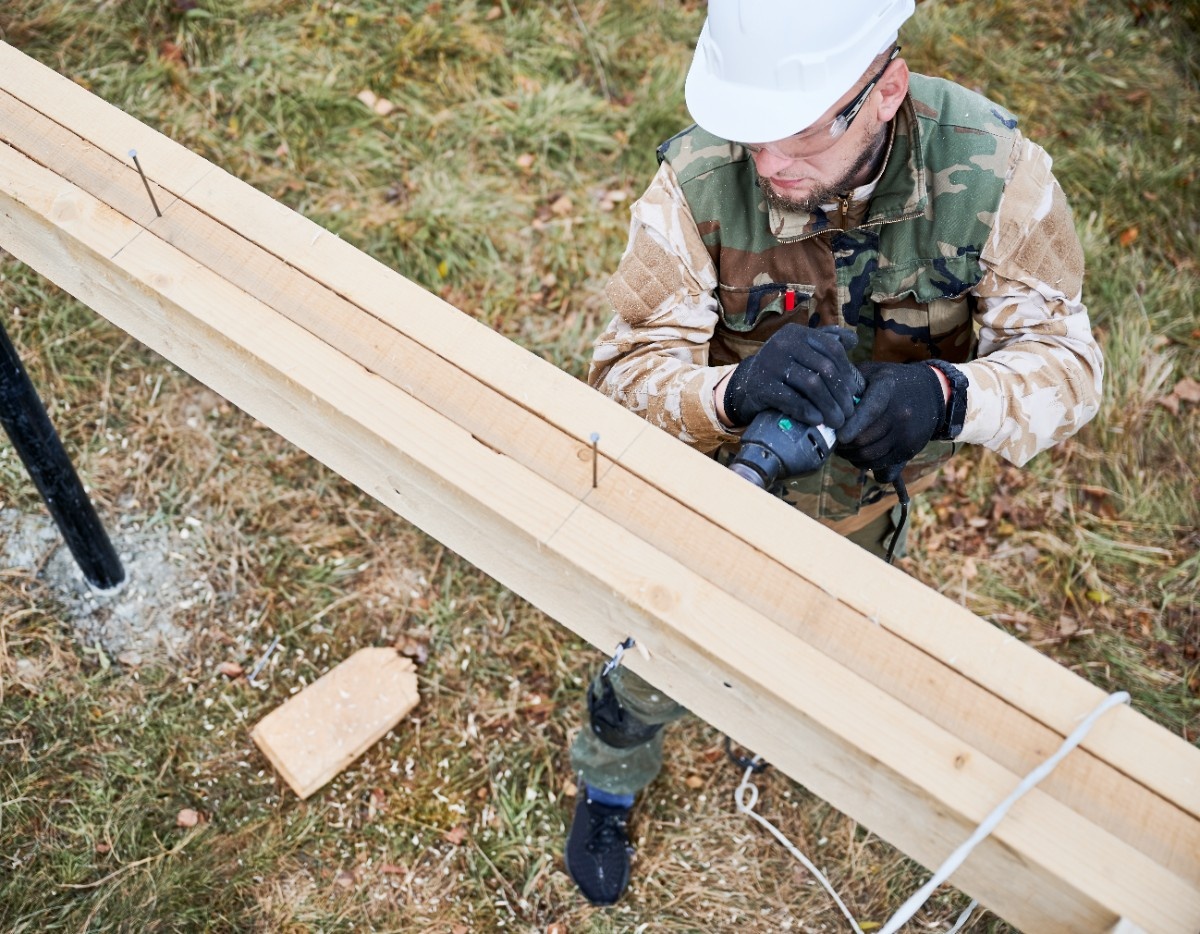
Wood fence post rot prevention matters whether you choose a standard post or a post on pipe system, since a few basic practices reduce risk either way. These steps won't fully replace what post on pipe accomplishes structurally, but they help any wood component last longer.
- Proper drainage around the base. Water that pools near a post base speeds up decay, so grading the soil to drain away from posts helps both systems.
- Quality concrete work. A properly formed concrete footing sheds water better than a rough, uneven pour, reducing how much moisture reaches the wood to soil contact area on standard posts.
- Wood grade and treatment. Higher grade cedar and properly treated wood resist decay longer, even though wood fence post rot prevention ultimately has limits once soil contact is involved.
- Regular inspection. Checking posts at the soil line once or twice a year catches early softening before it becomes structural failure.
Even the best wood fence post rot prevention practices on a standard post are working against gravity and moisture at the same time. Post on pipe removes that fight entirely rather than just slowing it down, which is why none of these steps fully replace what a post on pipe system accomplishes structurally.
What Does Cedar Post on Pipe Cost Compared to Standard Posts?
Post on pipe installation typically adds approximately $8 to $15 per linear foot to a standard cedar fence cost. That premium covers the galvanized pipe fence post itself along with the additional labor of setting two components instead of one.
The tradeoff is straightforward once you look at lifespan. Standard cedar posts buried directly in soil typically last 10 to 20 years, while cedar post on pipe systems typically extend fence life to 20 to 30 years or more. Higher upfront costs are associated with post on pipe fencing systems due to materials, but the math often favors post on pipe once you account for avoiding an early full post replacement.
💡 Pro Tip: Ask your contractor to price both options side by side for your specific fence line. Longer runs and taller fences tend to see the clearest long term savings from post on pipe systems. A free estimate is the easiest way to see actual numbers for your property rather than general ranges.
Maintenance: What Actually Needs Attention Over Time
With a post on pipe system, the most likely maintenance is board replacement at the top of the fence from UV exposure, not post failure underground. That's a far simpler and cheaper fix than digging out a failed standard post.
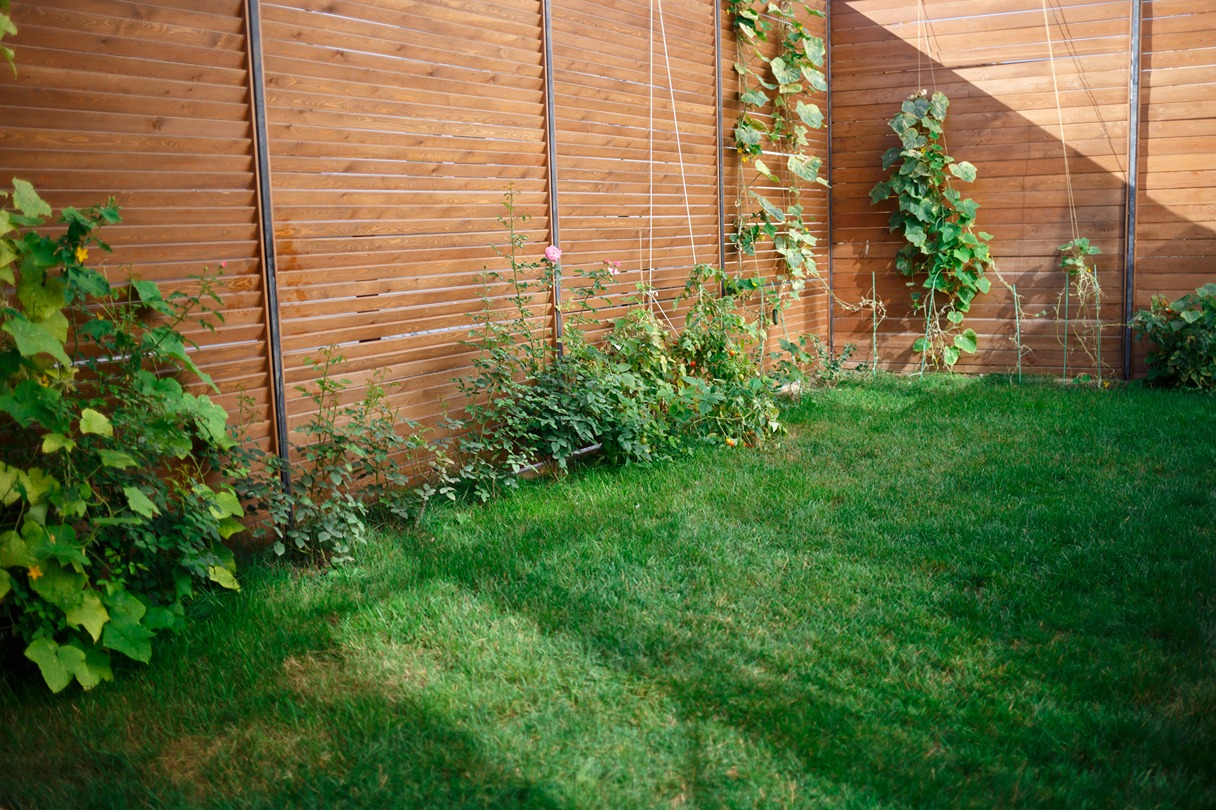
Natural aesthetics are preserved in traditional cedar posts without visible metal components, which some homeowners still prefer for a fully wood look. Cedar post on pipe systems are ideal for high end projects in wet climates or heavy clay soil, where the tradeoff clearly favors long term durability over a perfectly uniform wood appearance. Browsing our full range of fencing options can help you see how post on pipe fits alongside other styles before you decide.
If you're planning a new cedar fence installation and want to compare post options for your specific yard, our team can walk your property and point out where soil conditions matter most.
Cedar Post on Pipe vs Wood Post: Making the Right Call
Cedar post on pipe vs wood post really comes down to how much you value avoiding the single most common cause of fence failure in this region. Standard posts cost less upfront, but post on pipe systems remove wood to soil contact entirely, extending fence life well beyond what a standard cedar post fence typically achieves. If you'd like to talk through which option fits your property, reach out to our team anytime.
FAQs
What is a post on pipe fence?
A post on pipe fence uses a galvanized steel pipe set in concrete to carry the structural load and all ground contact, with a cedar or wood post section attached above grade. This keeps the visible wood dry and away from soil moisture entirely, which is the core idea behind cedar post on pipe vs wood post comparisons.
Does a steel pipe fence post rust over time?
Galvanized steel pipe is treated specifically to resist rust and corrosion, which is why it holds up well in wet, clay heavy soil. Most galvanized steel pipe fence post systems are built to last significantly longer than the wood sections attached to them.
Is cedar fence post replacement easier with a post on pipe system?
Yes, in most cases only the wood board needs replacing, since the steel pipe underneath typically remains sound. This avoids the concrete removal that standard post replacement usually requires.
How much more does post on pipe cost compared to a standard cedar post?
Post on pipe systems typically add a per linear foot premium over standard installation, largely due to the added steel pipe fence post material and labor. Many homeowners find the extended lifespan offsets that cost over time.
Can post on pipe be added to an existing standard cedar fence?
In some cases, yes, particularly during a partial repair or section replacement. A contractor can assess whether your existing layout supports converting specific sections to a post on pipe fence design.










.svg)