.png)
.png)
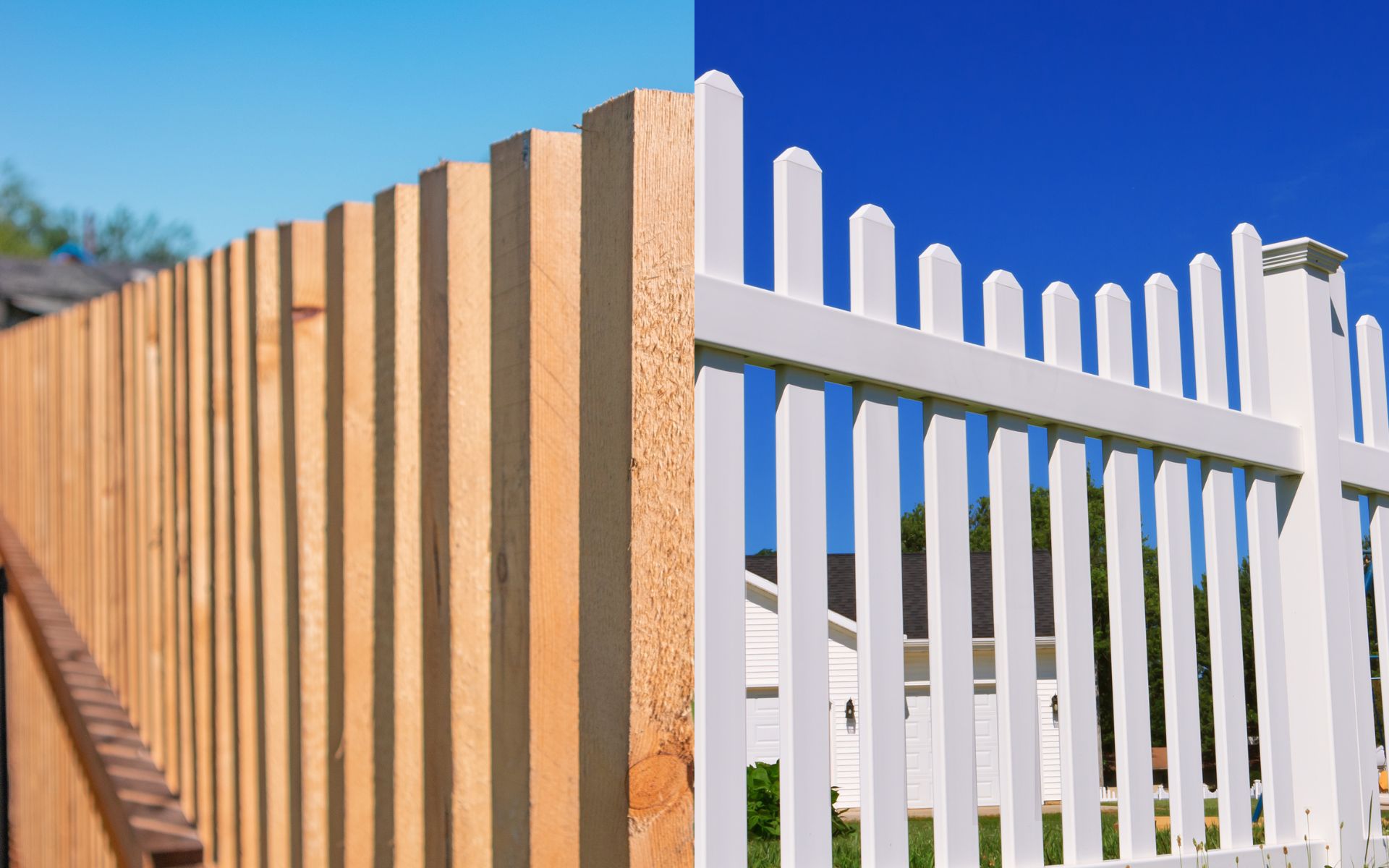
Planning a new fence? The first big question is always about wood.
Most homeowners are choosing between two options:
- Western red cedar — a premium softwood with natural oils
- Pressure-treated pine — chemically treated wood built for ground contact
Both are popular and both perform well. But the cost of cedar vs pressure-treated pine is very different.
This guide breaks down cedar fence material cost per foot 2026, labor costs, and long term value so you can make the right call.
At Optima Fence and Deck, we help homeowners across the region choose the right wood fence every day.
What Is the Cost of Cedar vs Pressure-Treated Pine Per Linear Foot?
Costs vary by region, fence style, and material availability. But here are general ranges most homeowners see.
Cedar Fence Material Cost
- Material only: typically $3 to $8 per linear foot
- Cedar fence material cost per foot 2026 has risen slightly due to lumber demand
- Western red cedar is priced higher than other softwood options
- Cedar fences use natural oils that resist moisture damage especially in rough-sawn or untreated grades.
Pressure-Treated Pine Fence Cost
- Material only: typically $2 to $5 per linear foot
- Best price on pressure-treated fence panels is usually found at local lumber yards
- Pressure-treated wood uses chemical treatment to resist rot and insects
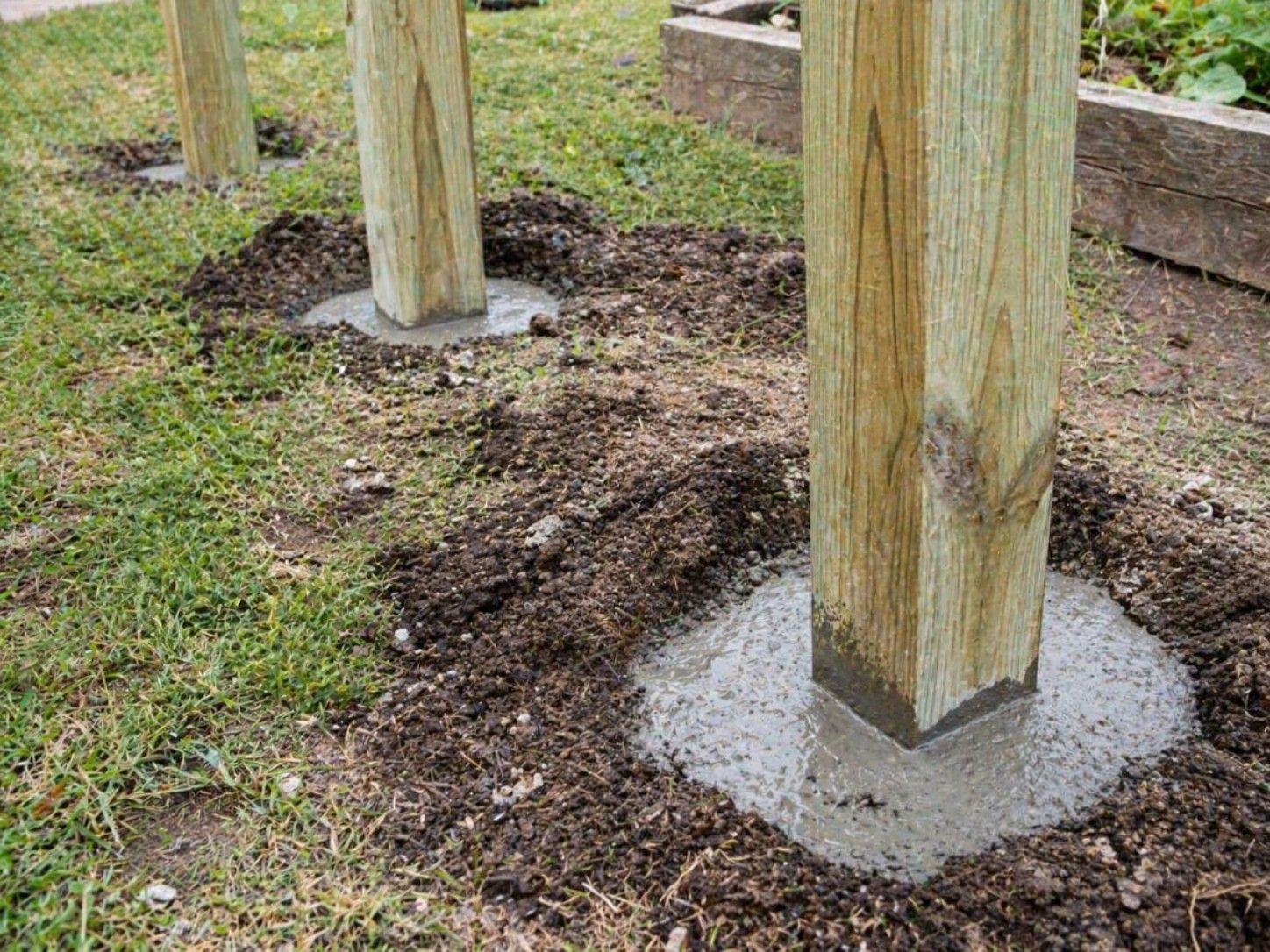
- Pressure-treated posts are often required by code, even on cedar fences
Installed Cost Comparison
Note: These are general estimates. Final price depends on fence length, fence style, and labor costs in your area.
💡 Pro Tip: Always get at least two quotes from a local fence company before committing. Local expertise matters for material costs and labor rates.

Cedar vs Pressure-Treated Pine: Full Side-by-Side Comparison
So which wood actually wins? The price difference between cedar and pine fencing is just one part of the picture.
Here is how the two wood types compare across every major category.
Cedar Fence: Pros and Cons
- Pro: Naturally resistant to rot and insects
- Pro: Beautiful appearance — improves curb appeal
- Pro: No chemical treatment touching wood fibers
- Pro: Long lasting fence with proper care
- Con: Higher cedar fence pricing upfront
- Con: Requires regular sealing in wet climates
Pressure-Treated Pine: Pros and Cons
- Pro: Lower pressure-treated pine fence cost
- Pro: Widely available — best price on pressure-treated fence panels
- Pro: Good for ground contact applications
- Con: Chemical treatment can off-gas when new
- Con: More likely to warp, crack, or twist as it dries
- Con: Needs to be properly sealed for weather resistance
Want to see how these materials look in real projects? Browse our completed fence and deck projects for inspiration.
Does Pressure-Treated Cedar Last Longer Than Pressure-Treated Pine?
If you're wondering, "does pressure-treated cedar last longer than pressure-treated pine?" In most cases, yes.
Why Cedar Has the Edge
- Cedar is naturally resistant before any treatment is applied
- Its protective oils repel insects and slow moisture damage
- Even without pressure treatment, western red cedar performs well
- Pine without treatment breaks down quickly in wet conditions
When Pressure-Treated Pine Holds Its Own
- Pressure-treated pine is treated specifically for ground contact use
- With proper installation, pressure-treated pine posts can provide long service life
- In dry climates, properly sealed pine fence boards can last decades
- For split rail fences or rail fences with limited ground exposure, pine performs very well
Bottom line: Cedar wins on longevity, but pressure-treated pine is no slouch when properly maintained.
What Fence Styles Work Best With Each Wood?
Not every wood type suits every fence style. Here is a quick breakdown.
Cedar Fence Styles
- Privacy fence: Cedar is the popular choice for full privacy boards
- Picket fences: Cedar's warm light brown color looks stunning in front yards
- Horizontal surfaces: Cedar holds up well on horizontal fence designs
- Decorative wooden fencing benefits from cedar's natural curb appeal
Pressure-Treated Pine Fence Styles
- Split rail fences: Pine is a classic choice for open rail fences
- Rail fences: Treated pine handles ground contact at fence posts very well
- Budget privacy fences: Pine keeps total cost lower on longer fence lines
- Pine works great on property lines where looks matter less than durability
💡 Pro Tip: For fence projects with a mix of posts in the ground and boards above, many pros use treated pine posts with cedar boards. You get durability where it counts, and beauty where it shows.
Planning Your Wood Fence Project From Start to Finish
Ready to move forward? Follow these steps to keep your fence project on track.
- Measure your fence line: Walk your property lines and note total fence length
- Choose your fence style: Privacy fence, picket fences, or split rail fences each have different material costs
- Pick your wood: Decide based on your budget, climate, and desired lifespan
- Get quotes from a fence company: Ask for cost per linear foot installed, not just material costs
- Ask about old fence removal: Fence removal and existing fence demo adds to total cost
- Check permit requirements: Permit requirements vary by city and county. Check with your local municipality first
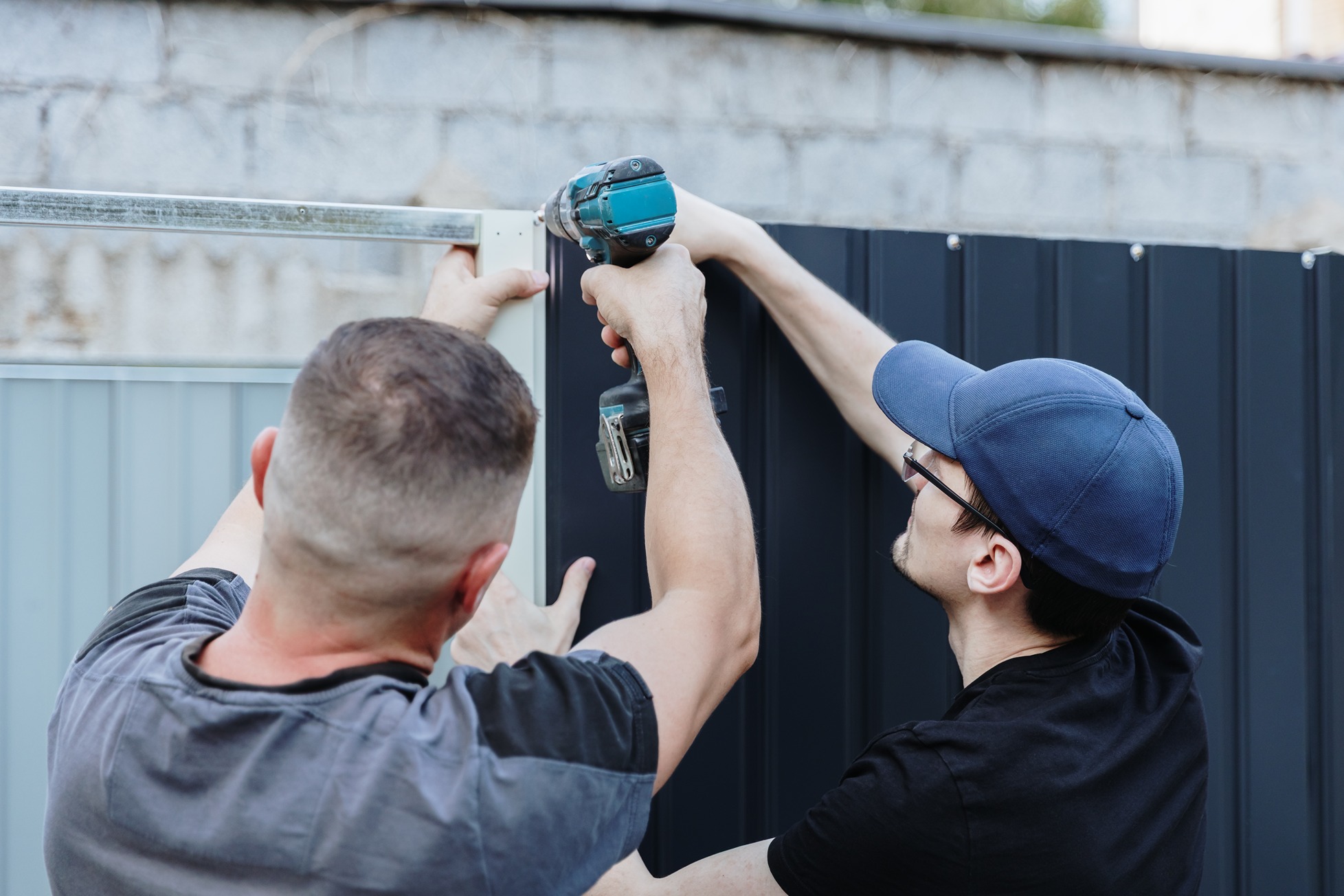
- Schedule professional installation: Proper installation protects your material choice and long term value
Our team at Optima Fence and Deck handles everything from start to finish. Learn more about our wood fence installation services in Bellevue.
What Factors Change the Total Cost of Your Fence?
The cost of cedar vs pressure-treated pine is just one piece.
Many other factors affect your final price.
Factors That Raise Fence Cost
- Longer fence length: More linear foot means higher material and labor costs
- Fence removal: Old fence removal adds to budget
- Sloped terrain: Adds labor costs for leveling
- Gate additions: Each gate raises the final price
- Premium fence style: Shadow box or board-on-board costs more than basic picket
Factors That Lower Fence Cost
- Shorter fence length: Smaller fence line lowers material and labor
- Simple fence style: Basic rail fences are the most budget-friendly
- Using pine for posts: Pressure-treated posts are less expensive than cedar posts
- Skipping full old fence removal: Reusing an existing fence line can save money
Is Cedar Worth the Extra Cost? Here Is the Honest Answer
Choose Cedar If You...
- Want a long lasting fence with great curb appeal
- Live in a wet or humid climate where moisture damage is a concern
- Prefer wood without chemical treatment near kids or pets
- Plan to properly seal and maintain the fence regularly
- Are investing in a high-value front yard or visible property line
Choose Pressure-Treated Pine If You...
- Are budget conscious homeowners looking for the lowest upfront cost
- Need a long back-yard fence line where looks are not the priority
- Live in a drier climate where moisture damage is less of a concern
- Are building split rail fences or simple utility fencing
- Plan to budget for regular maintenance and fence replacement over time
Long term value tip: Cedar costs more now but may cost less over 20 years. Fewer fence replacements means lower total spend.
Common Mistakes Homeowners Make When Comparing Fence Costs
Avoid these errors before you sign a contract.
Mistake 1: Comparing Material Cost Only
- Always ask for cost per linear foot installed, not just material
- Labor costs vary widely depending on your region and fence company
Mistake 2: Skipping Maintenance Costs
- Both cedar and pine require regular sealing to stay protected
- Not factoring in regular maintenance understates the real total cost
Mistake 3: Ignoring Wood Quality
- Not all pressure-treated wood is equal. Ask about grade and treatment level
- Budget fence panels may use lower-grade wood fibers that warp faster
Mistake 4: Not Checking Composite Fencing Costs
- Composite fencing costs more upfront but needs significantly less maintenance than wood
- For some homeowners, composite fencing offers better long term value
Mistake 5: Forgetting About Fence Removal
- If you have an existing fence, old fence removal adds to total cost
- Always ask your fence company to include fence removal in their quote

The Right Wood Fence Starts With the Right Information
Choosing between cedar and pine is one of the most important decisions in any fence project. Both woods have real strengths. Both have real tradeoffs.
When it comes to the cost of cedar vs pressure-treated pine, neither wood is the universal winner.
- Cedar fence pricing is higher upfront
- But it delivers natural durability, curb appeal, and long term value
- Pressure-treated pine fence cost is friendlier to tighter budgets
- Especially on longer fence lines where material costs add up fast
So what should you do?
Think About the Long Game
- Cedar may cost more today but typically needs fewer replacements over 20 years
- Pine is a smart pick for utility fencing, split rail fences, or tight budgets
- Properly maintained wood fence of either type can serve you for decades
- The best material choice is the one that fits your climate, goals, and wallet
Do Not Skip Professional Installation
- Even the best wood fails without proper installation
- Labor costs are worth every penny when done right
- A skilled fence company ensures your posts, boards, and fence line are set correctly
- Poor installation leads to early fence replacement and higher total cost
The best choice always depends on your goals, your climate, and your budget.
Ready to plan your fence project? Contact Optima Fence and Deck today for a free quote and expert advice you can trust.
FAQs
What is the average price difference between cedar and pine fencing?
Cedar fence material cost per foot 2026 is generally $1 to $3 more than pressure-treated pine per linear foot. Over a full fence line, that price difference between cedar and pine fencing can add up to hundreds of dollars in material costs alone.
Is cedar fence pricing worth it compared to pressure-treated pine?
For many homeowners, the long term value of cedar makes cedar fence pricing worthwhile. Cedar is naturally resistant to rot and insects, which means fewer repairs and less frequent fence replacement over time.
How long does a pressure-treated pine fence last?
A properly maintained pressure-treated pine fence typically lasts 15 to 25 years. Proper maintenance, including regular sealing and timely repairs, plays a big role in how long it holds up.
What is the best wood for a privacy fence?
Western red cedar is widely considered the best wood for a privacy fence due to its natural oils, weather resistance, and attractive appearance. Pressure-treated pine is a solid budget-friendly alternative for a long lasting fence.
Does pressure-treated cedar last longer than pressure-treated pine?
Yes, in most cases cedar outlasts pine because it is naturally resistant before any chemical treatment is applied. Its protective oils repel insects and moisture, giving it an edge in wet or humid climates.
Can I mix cedar and pressure-treated pine on the same fence?
Yes, many professional fence contractors recommend using pressure-treated posts for ground contact and cedar fence boards above ground. This approach balances material costs while maximizing durability where it counts most.








.svg)