.png)
.png)
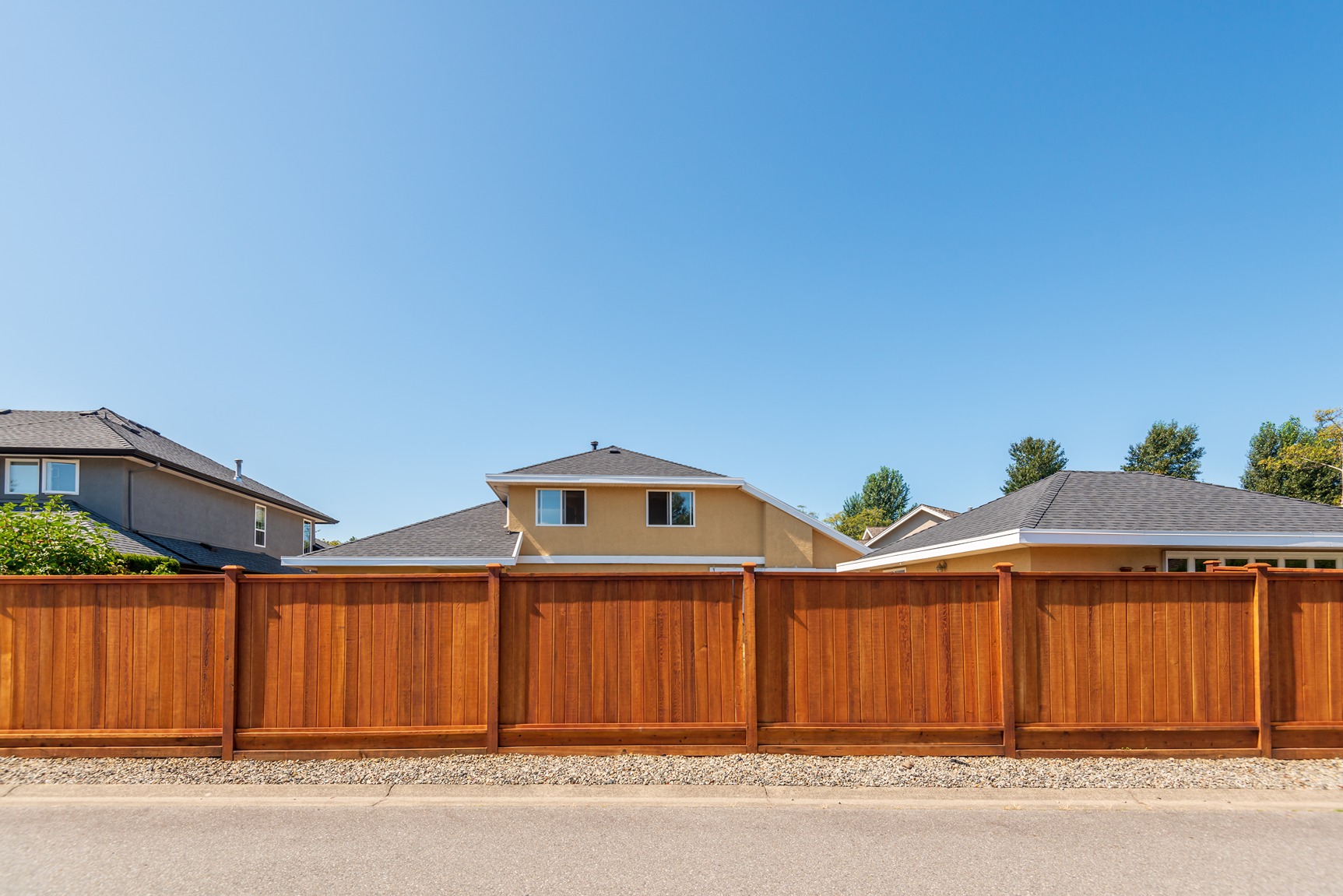
There is a vinyl fence that actually looks like wood. Not a vague, plastic approximation, but a genuine woodgrain texture pressed into the surface at the manufacturing level. If you have never heard of faux wood vinyl fence, you are not alone. Most homeowners assume vinyl means flat, glossy white, and they never learn this product exists until they see one in person. This guide explains what it actually is, how it is made, and whether it is worth the extra money over standard vinyl or real cedar.
What Is Faux Wood Vinyl Fence?
This fencing type is a PVC fencing product designed to mimic the texture and color of wood. Instead of a smooth, plastic surface, the panel has a raised grain pattern that reads as real wood from a normal viewing distance.
Faux wood vinyl fencing is often considered a balance between aesthetics and low maintenance, which is exactly why interest in it keeps growing among homeowners who love the cedar look but not the cedar workload. Unlike a stained wood fence, a vinyl fence that looks like wood never needs a fresh coat to keep its color.
How Is the Woodgrain Texture Actually Made?
Manufacturers create the woodgrain texture through an embossing process, sometimes combined with co-extrusion, that presses a grain pattern into the PVC surface. This gives the panel a tactile, textured vinyl fence surface instead of a flat one.
Here is what actually happens during manufacturing:
- Raw PVC is formed into panel shapes on manufacturing lines.
- A textured roller or mold presses a wood grain pattern into the surface.
- Color pigment is mixed through the material rather than sprayed on top.
- Panels cool and cure before quality testing and packaging.
💡 Pro Tip: Ask your installer whether the color runs through the panel or sits on the surface. Color that runs through resists showing white underneath if the panel ever gets scratched.
Because color in quality vinyl is carried through the material rather than sprayed on, a scratch is far less likely to expose a different shade underneath than a scratched painted board would.
Wood grain vinyl fence cost runs higher than plain smooth panels because of the extra tooling and material processes involved in pressing a realistic vinyl fence texture into every panel. That added manufacturing step is exactly what separates a genuinely realistic vinyl fence from older, flatter vinyl products that only hinted at a wood look.
Wood Look Vinyl Fence vs Real Wood: The Honest Comparison
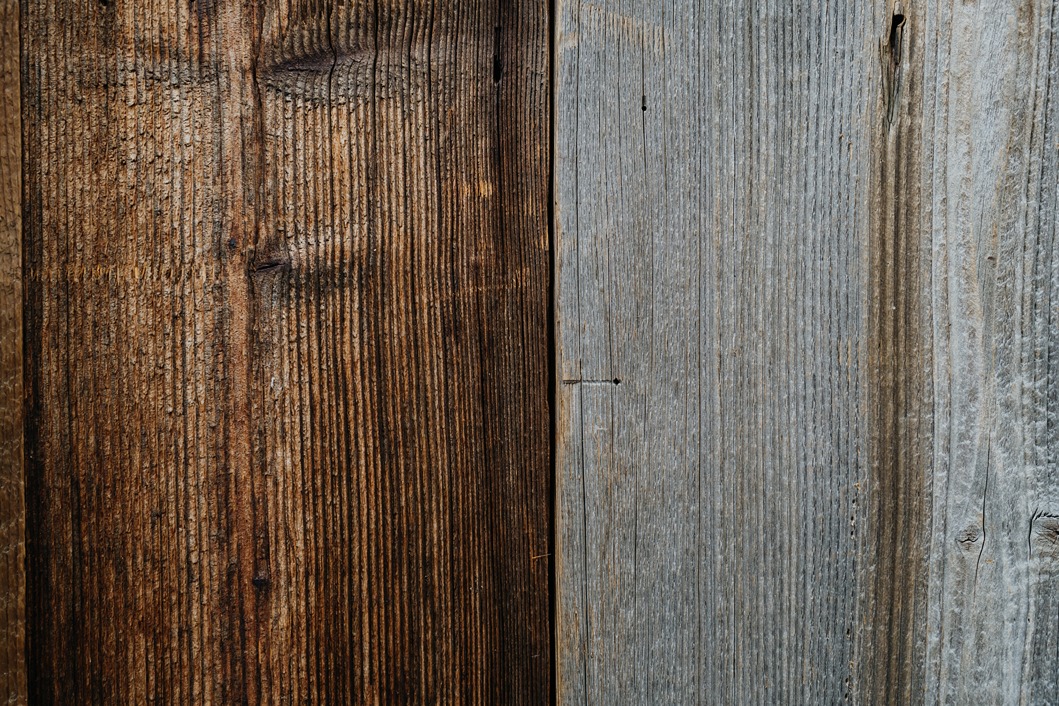
So how does faux wood fence vs real wood actually compare once you look past the surface? Real cedar wins up close, since natural wood grain has variation and depth no manufactured texture fully matches. From ten to fifteen feet away, most visitors cannot tell the difference.
Maintenance is where a wood look vinyl fence clearly wins. Vinyl fencing requires almost no maintenance compared to wood, and that gap only grows the longer you own the fence. Wood look PVC fencing also holds its shape better than lumber, since PVC fence that looks like wood will not warp or cup the way boards can after a wet Pacific Northwest winter. At Optima Fence and Deck, we walk homeowners through this exact tradeoff on nearly every consultation involving vinyl versus wood.
How Long Does This Style of Fencing Actually Last?
Wood grain vinyl fences can last decades with minimal care, generally landing in the 20 to 30 year range depending on installation quality and sun exposure. Traditional wood fences commonly last 15 to 20 years depending on maintenance, which means the math favors vinyl the longer you plan to stay in your home.
High quality vinyl fences resist rot, warping, and termite damage, which is a big part of why the lifespan holds up so well compared to untreated or lightly maintained wood. Vinyl does not rot, warp, or attract insects like wood, so a fence line that borders a garden bed or a damp, shaded yard holds its shape year after year without the hassle real lumber can bring.
Many homeowners who switch from wood tell us the biggest relief is not worrying about rot showing up along the bottom rail after a wet Pacific Northwest winter. That single durability point, more than any color or texture detail, is usually what closes the decision for busy homeowners comparing options.
Is This Style Worth It in Seattle's Climate?
For most Seattle area homeowners, is faux wood vinyl fence worth it once you factor in the climate? Generally, yes. In Seattle's climate, this style is particularly compelling because it eliminates the cedar maintenance cycle that wet winters make more demanding.
Faux wood vinyl fences typically have a higher upfront cost than wood fences, generally a 15 to 25 percent premium over standard white vinyl. But that upfront gap can save money in the long run by eliminating ongoing maintenance costs, since you never have to worry about whether you stained your fence before the fall rain arrives.
Want to see whether the math works for your property? Reach out to our team and we can walk through real numbers for your specific yard.
Wood Grain Vinyl Fence Styles You Can Choose From
Wood grain vinyl fence options are not limited to one look. Most manufacturers offer several styles so the texture fits your existing property design.
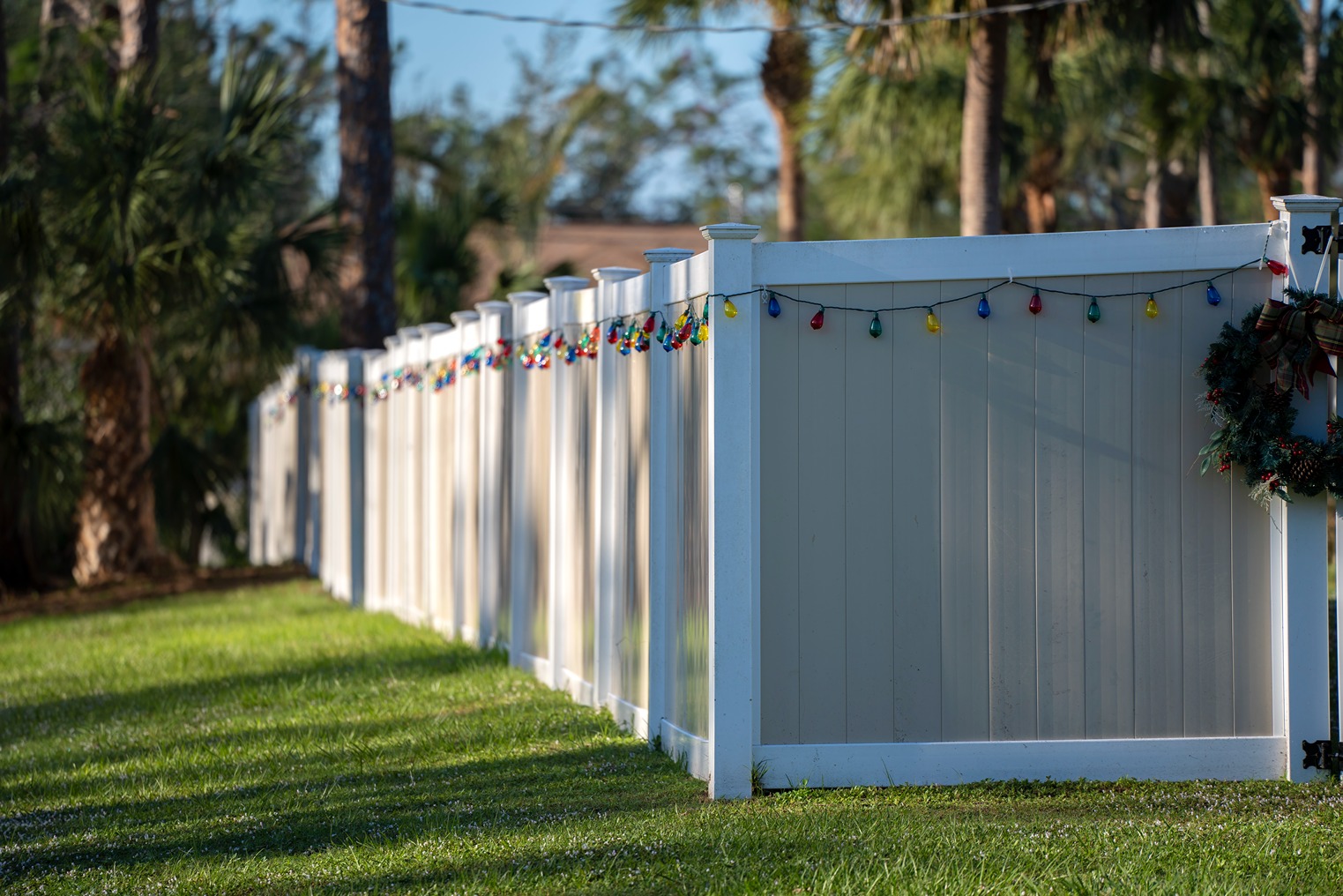
- Privacy panels: A wood grain vinyl privacy fence gives full seclusion with a warmer look than plain white panels. A vinyl privacy fence that looks like wood is the single most requested combination among Bellevue and Seattle homeowners we talk to.
- Semi-privacy styles: Spaced boards that let some airflow through while keeping the wood grain texture visible.
- Picket styles: A shorter, classic profile with the same embossed grain on a smaller scale.
- Dark tone options: This style can be available in dark brown colors for a bolder, more modern look.
A simulated wood fence like this one is not limited to privacy applications either. Manufacturers apply the same grain texture across nearly every profile in their lineup, so you can explore several styles before you settle on one for your property. Most homeowners choose a color that matches existing trim, decking, or an outdoor structure already on the property, and a good installer can help you narrow that match during your quote.
Darker colors do run slightly warmer in direct sun, so factor that into your choice if your yard gets full afternoon exposure.
Maintaining a Wood Grain Vinyl Fence: What Upkeep Actually Looks Like
Vinyl fences require only occasional rinsing to maintain appearance, and that single fact is the whole maintenance story for most owners. There is no staining, sealing, or sanding involved at any point.
- Rinse panels with a garden hose a few times a year, more often near sprinklers or shaded, damp areas.
- Wipe stubborn dirt or pollen with mild soap and a soft cloth.
- Check gates and hinges occasionally, since hardware is the only part that ever needs adjustment.
- Skip pressure washing at close range, which can wear down the texture over many years.
This style requires practically no upkeep besides occasional cleaning, which is the entire reason so many homeowners choose it over real wood in the first place.
Bringing Home This Style of Fence: What the Process Looks Like
Installation support is available for wood grain vinyl fences from most professional fence companies, and the process follows a fairly predictable path from quote to finished fence.
- A site visit to measure your property and confirm posts and gate locations.
- A materials order for your chosen style, color, and height.
- Panel delivery and an on-site fit check, since panels can be cut on-site for a perfect fit.
- Post setting, which often includes aluminum inserts for added strength on longer spans.
- Panel and rail installation, working section by section across the property.
- A final walkthrough covering gates, latches, and overall fit and finish.
💡 Pro Tip: If your yard has any slope, ask upfront how the crew plans to handle it. Wood grain vinyl fences can be installed on sloped yards, but the approach affects the finished look.
If you want a team that has handled this exact process across Bellevue, our vinyl fence installation service can walk you through material samples before work ever begins. Customers often tell us that seeing a physical panel in person builds far more confidence than browsing photos online, especially for a texture this detailed.
Common Questions Before You Buy This Style of Fence
Homeowners interested in this style tend to ask a similar set of questions before committing to a purchase.
- Does it fade? Color fade is minimal since pigment runs through the material rather than sitting on the surface.
- Is it safe for kids and pets? Vinyl has no exposed nails or splinters, which makes it a low-risk choice around children and pets.
- Can it match my house colors? Most manufacturers offer several wood tones and a few solid colors to match existing trim.
- Does it feel like plastic? The textured surface reduces the plastic feel considerably compared to smooth vinyl panels.
- Will neighbors notice it is not real wood? Most customers report that a PVC fence that looks like wood goes unnoticed from the sidewalk or a neighboring yard.
If other questions come up as you shop, you can request your free estimate and ask an installer directly during your site visit.
The Verdict on Faux Wood Vinyl Fence
A faux wood vinyl fence gives you a genuine woodgrain look with none of the staining, sealing, or sanding real cedar demands. It costs more than plain white vinyl upfront, but the maintenance savings and longer lifespan tend to close that gap within a decade. If you want the warmth of natural wood without the weekend upkeep, this style is worth a serious look for most Pacific Northwest properties. It is backed by our standard workmanship warranty on every installation we complete, so your decision comes with real protection behind it.
FAQs
Is faux wood vinyl fence worth it compared to real wood?
For most homeowners staying long term, yes. The higher upfront cost is generally offset by decades of avoided staining and sealing that real cedar requires.
Does a vinyl fence that looks like wood actually fool people?
From a normal viewing distance of ten feet or more, most visitors cannot tell it apart from real wood. Up close, real wood still shows more natural variation and depth.
How is the wood texture added to vinyl fencing?
Manufacturers emboss or co-extrude a grain pattern into the PVC panel while it is still soft, creating a raised, tactile surface. Color is mixed through the material rather than painted on top.
Does faux wood vinyl fencing fade over time?
Color in vinyl fences is baked into the material, which prevents the fading that painted wood surfaces experience. Some very light color shift can occur over many years of direct sun.
How much upkeep does a wood grain vinyl fence need?
Upkeep is limited to an occasional rinse with a garden hose and mild soap for stubborn spots. There is no staining, sealing, or sanding required at any point.









.svg)