.png)
.png)
What Fence Add-Ons Are Worth Considering Before You Build?
Most homeowners think about the fence itself and forget to plan for the details that make it actually functional and finished looking. Fence add-ons cover everything from gates and post caps to lighting and lattice toppers, and each one changes how your finished fence looks and works.
Fence add-ons can enhance functionality and aesthetic appeal at the same time, which is exactly why they're worth reviewing before your project starts rather than after. Common fence add-ons include decorative top pieces and privacy additions, but the full list is longer than most homeowners realize. Browsing our fencing options alongside these add-ons can help you picture the finished look before committing to a design.
What Fence Gate Options Should You Consider?
So what fence gate options actually make sense for a residential property? The answer usually comes down to how the gate gets used day to day.
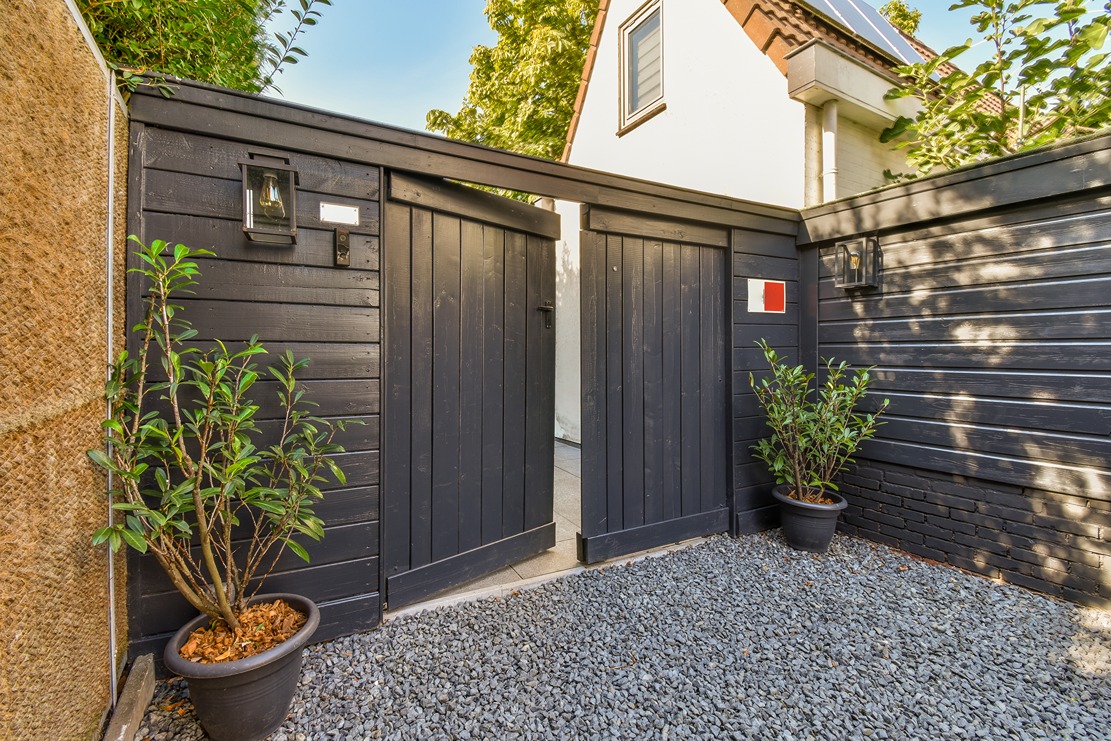
A single swing pedestrian gate is the most common custom fence add-ons choice, and it works well for side yard access or a simple walkway entry. A double drive gate suits driveways and larger openings, though sizing and placement need extra planning around vehicle width and any local permit considerations. Swing gates are the most common request in Bellevue, and contractor quotes typically scale with opening width and hardware complexity.
An automated gate opener makes sense when convenience matters more than upfront savings, particularly for wider driveway gates used daily. It adds to both project cost and installation timeline, so it's worth deciding early whether automation fits your budget rather than adding it as an afterthought.
Safety features like lockable gate latches enhance security regardless of which gate style you choose, and they're a small addition worth including from the start.
Fence Post Caps: Small Detail, Big Visual Impact
Add-ons like post caps protect posts from weather and enhance curb appeal at the same time, which makes them one of the easiest upgrades to justify. So which post cap style actually fits your fence?
Caps for post fence tops do more than look nice. Fence post caps shed water away from the end grain of wood posts, which helps prevent the moisture damage that shortens post life. Vinyl fence post caps and wood fence post caps both serve this purpose, though the material should generally match the fence itself for a cohesive look.
💡 Pro Tip: Do you need post caps for fences at all? Technically no, but skipping them leaves end grain exposed to rain, which accelerates wear on wood posts specifically.
Fence Lighting Ideas for Seattle's Overcast Climate
Fence lighting ideas generally fall into three categories, and each performs a little differently in the Pacific Northwest's cloudy conditions. Understanding the tradeoffs helps you pick the right approach for your yard.
In-post LED lights. LED strip lighting creates a modern floating fence effect, and it runs on standard electrical wiring rather than relying on stored sunlight. This makes it the most consistent option in a climate where solar charging varies by season.
Post-cap solar lights. Solar post cap lights turn on automatically at dusk, which is convenient, but performance depends on how much direct sun a fence line actually gets. Backyard fence lighting ideas built around solar caps work best on fences with clear southern exposure.
Ground-level up-lighting. Ground spotlights create a dramatic wash on metal fences and work well for aluminum fence lighting ideas specifically, highlighting texture and form from below.
- Motion-activated lighting improves convenience and security around fences.
- String lights can create a cozy ambiance around fences, are easy to add, and can be run along the fence line or top rail for entertaining spaces.
For anything beyond solar cap lighting, ask during your estimate, wiring for in-post LED installations is planned during fence construction, not afterward.
Vinyl fence lighting ideas often lean toward post cap solar options, since vinyl posts accept cap style lighting easily without additional wiring work.
How Do You Add a Lattice Fence Topper on Top of a Fence?
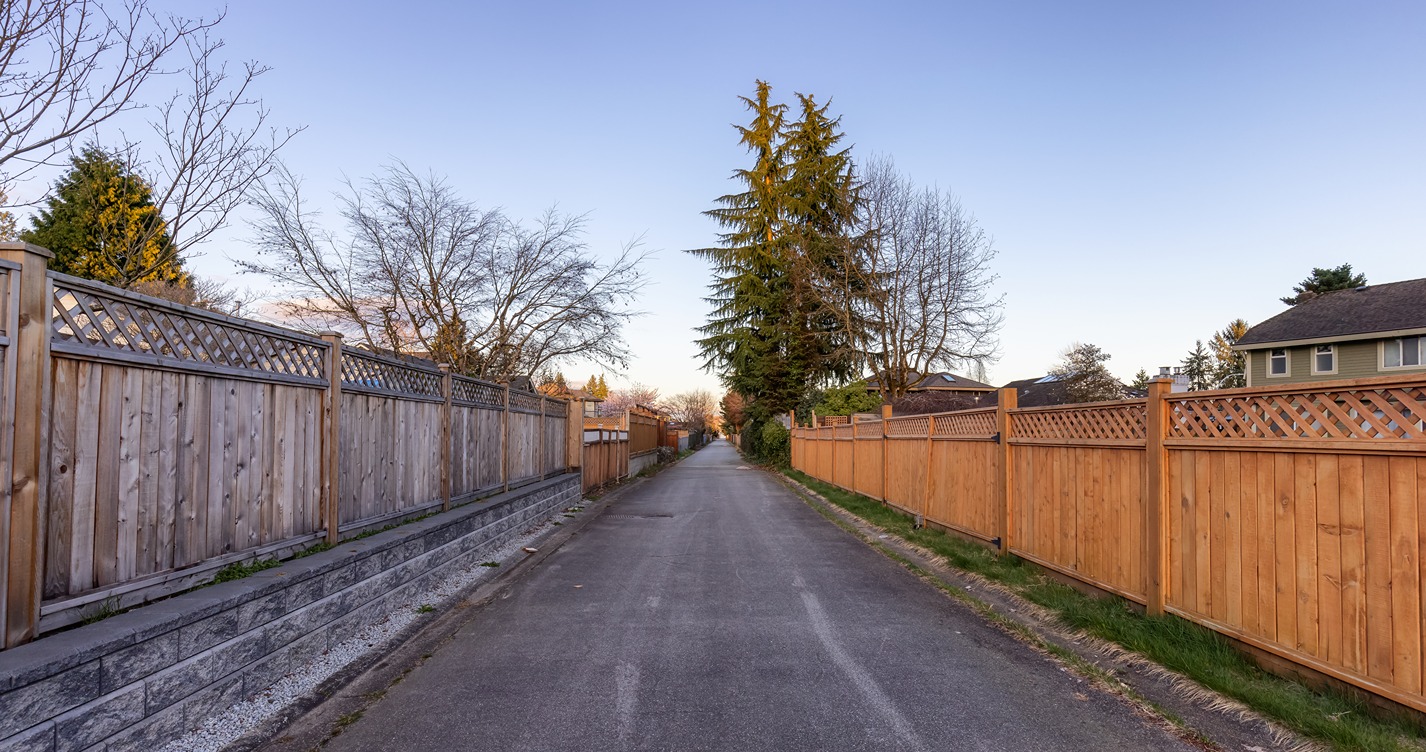
How to add lattice on top of a fence is a common question for homeowners who want extra height without a full rebuild. Lattice toppers enhance fence height and appearance while still allowing light and airflow, making them a middle ground between an open fence and a solid one.
- Measure your existing fence height and desired addition. Most lattice fence topper sections add one to two feet of extra coverage.
- Select a matching or complementary material. A wood lattice fence topper pairs naturally with an existing wood fence, while vinyl toppers suit vinyl fencing.
- Attach mounting brackets to existing posts. These need to be secure enough to handle wind load on the added surface area.
- Install the lattice panel. Panels typically fasten directly to the brackets, sitting flush with the existing fence line.
- Check local height regulations first. Check local regulations before installing height-increasing fence add-ons, since some jurisdictions cap total fence height including toppers.
A privacy lattice fence topper can also add decorative elements to fences on top of the added screening.
Privacy Extensions for Existing Fences
Fence add on for privacy options extend well beyond lattice, especially for homeowners who want to raise height or block sightlines after a fence is already built. So what are the practical options here?
- Board-on-board toppers. These add solid coverage above an existing fence line without a full rebuild, closing gaps that a lattice topper would leave open.
- Composite privacy screens. Composite panels attach to existing posts and resist weather better than raw wood additions.
- Privacy slats for chain link. Privacy slats can be inserted into chain link to block visibility, turning an open chain link fence into a more private boundary.
- Faux ivy screens. Faux ivy screens provide low maintenance privacy solutions for homeowners who want greenery without the upkeep of real plants.
- Vertical planters. Vertical planters can be mounted directly to fences for flowers or herbs, adding function alongside privacy.
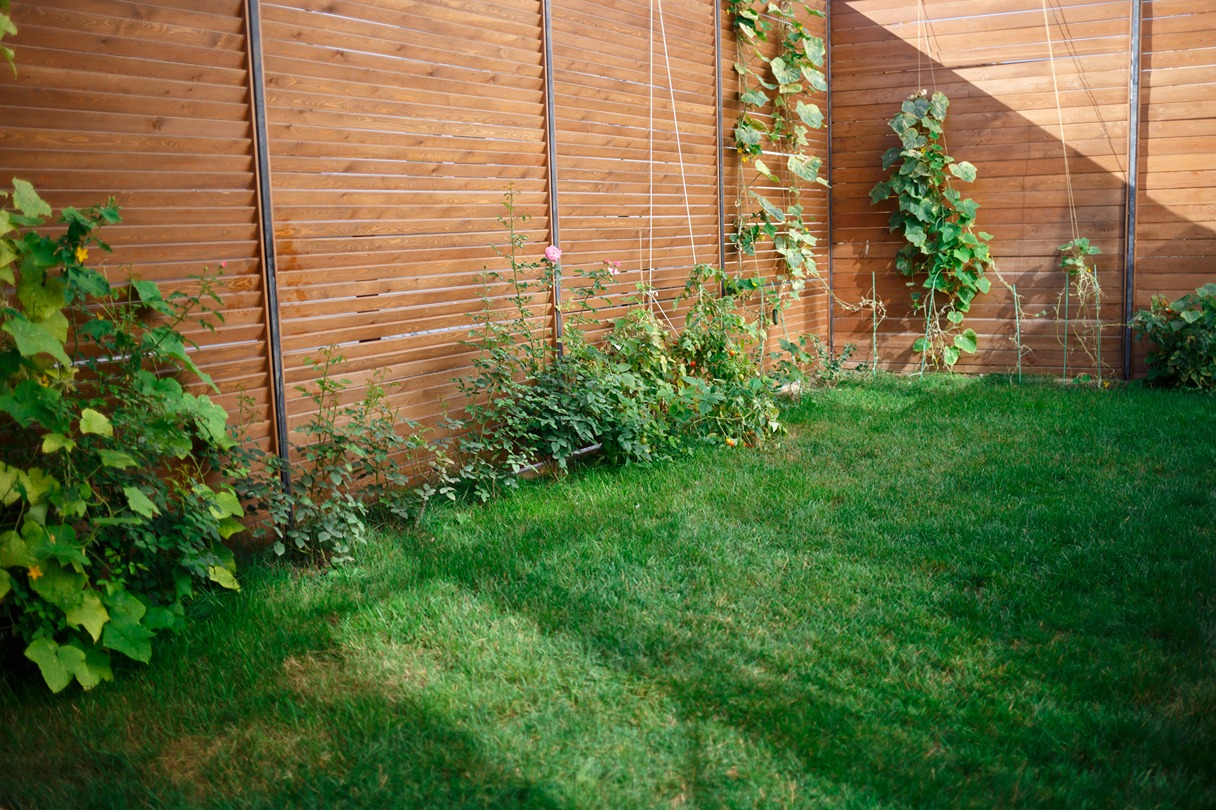
- Trellises. Trellises can encourage climbing plants for a living wall effect over a season or two.
Decorative panels can add visual interest to plain fencing even when privacy isn't the main goal, so these add-ons work for aesthetics alone in some cases.
Should You Add Fence Staining or Sealing at Time of Install?
For cedar fences specifically, staining or sealing should be budgeted at time of install for maximum material protection. So why does timing matter so much here?
Fresh cedar accepts stain and sealant more evenly than wood that's already weathered, which means the protective coating performs better from day one. Waiting even a season before the first treatment can mean the wood has already started absorbing moisture unevenly, leading to a patchier finish later.
Most professional fence contractors recommend treating cedar within the first few weeks after installation, before weather exposure changes how the wood accepts product. Bundling this into your original custom fence project is generally simpler and more cost effective than scheduling it separately later.
For a deeper look at cedar staining maintenance in Seattle's climate, our cedar fence staining guide covers timing, products, and what to expect.
Fence Accessories Worth Adding for Function, Not Just Looks
Fence accessories aren't limited to visual upgrades. A few practical additions solve everyday problems around the yard.
- Adding storage hooks to fences can increase functionality for garden tools or hoses
- Motion-activated lighting doubles as a security feature near gates and entry points
- Lockable gate latches keep pets and small children contained without constant supervision
- Vertical planters make use of fence space in yards with limited garden area
Fence accessories Seattle homeowners request most often tend to combine at least two of these functions, like a gate with both a lock and integrated lighting. A privacy topper often gets added to this same list once homeowners start reviewing their full estimate.
Planning Add-Ons Before Your Estimate Saves Money
The best time to plan your add-ons is before the estimate. Adding a gate or lighting after installation almost always costs more than including it in the original project, since it often means revisiting completed work.
- Decide on gate count and placement before your fence quote is finalized
- Choose post cap style at the same time as your fence material
- Budget for lighting wiring during installation if you want in-post LED options
- Plan any lattice fence topper height into your original permit check, not after
💡 Pro Tip: Bring a simple list of every add-on you're considering to your first estimate conversation, even ones you're unsure about. It's easier to remove an option than add one back in later. Starting with a free estimate gives you real numbers to plan around instead of guesswork.
Common Fence Add-On Mistakes to Avoid
A handful of planning mistakes show up again and again once homeowners start layering add-ons onto a fence project. Avoiding them keeps your budget and timeline intact.
- Choosing a fence privacy topper style after the fence itself is already built, which often costs more than planning it upfront
- Skipping fence post caps styles that match the fence material, leaving a mismatched, unfinished look
- Forgetting outdoor fence lighting ideas need wiring planned during installation, not after
- Assuming any fence lattice topper design will meet local height rules without checking first
- Overlooking gate hardware quality, then dealing with a sticking latch within the first year
If you're unsure whether an add-on needs a permit, ask your contractor during the same conversation where you're reviewing fence post caps styles and lighting choices. It's a quick question that can save a redo later.
Homeowners searching how to add lattice on top of fence sections after the fact often find it's more expensive than including it from the start, which is exactly why this list matters before your project begins.
Fence Add-Ons: Building a Fence That's Actually Finished
Fence add-ons turn a basic fence into something that actually works the way your yard needs it to. Whether that means a well placed gate, the right post cap, functional lighting, or a lattice topper for extra privacy, planning these details early saves both money and rework. If you're weighing custom fence add-ons for an upcoming project, reach out to our team to talk through what fits your yard.
FAQs
Do you need post caps for fences?
Post caps aren't strictly required, but they protect exposed end grain on wood posts from moisture damage. Vinyl and metal posts benefit less structurally, though caps still add a finished look.
What is the best fence add on for privacy?
Lattice toppers, board-on-board extensions, and privacy slats for chain link are the most common options, depending on your existing fence type. The right choice depends on how much privacy you need and whether you want airflow preserved.
How do I add lattice on top of a fence I already have?
Mounting brackets attach to existing posts, then a lattice panel fastens directly to those brackets along the top of the fence line. Checking local height regulations first is important, since some areas cap total fence height including toppers.
Do solar fence lights work well in Seattle's climate?
Solar post cap lights can work well on fences with strong southern exposure, but performance varies with cloud cover and season. In-post LED lighting on standard wiring tends to perform more consistently in overcast conditions.
Are fence gate options limited to swing gates?
No, options include single swing pedestrian gates, double drive gates for vehicles, and automated gate openers for added convenience. Each option fits different access needs and budgets.









.svg)