.png)
.png)
In Bellevue, frost penetration is shallow, usually 12 to 18 inches, so frost heave is less of a threat than in cold-climate states. Depth matters more for stability and wind load, since a shallow post leans over time regardless of frost. This guide covers how deep to dig fence posts in Bellevue, the best footing method for local soil, and how to keep your fence straight through every season.
For hands-on help from local professionals, visit Optima Fence and Deck to see the full range of fencing services available in Bellevue.
What Is the Frost Line and Why Does It Matter for Fence Posts?
The frost line is the depth at which ground freezes in winter. Moisture in the soil above that depth will freeze, expand, and push anything in its path upward.
What Happens Underground
- Water in the soil turns to ice and forms an ice lens
- The ice lens expands and pushes upward on fence posts
- Repeated freeze and thaw cycles loosen the soil around the post
- Each cycle shifts the post further out of position
- This process is called frost heave, the number one reason fences lean in cold climates
What Happens If Fence Posts Are Above the Frost Line?
- Posts tilt after the first hard winter
- Concrete footings get pushed up along with the surrounding soil
- Once one post leans, the entire fence line follows
- Water collects at ground level around the base
- Standing water accelerates rot in wood posts and rust in metal posts
Deep to Dig Fence Posts in Bellevue: Depth by Fence Height
Post depth should equal at least one third of the post's total length, plus an extra 6 inches for a gravel base. In Bellevue, go a minimum of 24 to 30 inches. That depth easily clears our shallow frost line, but the real reason for it is stability, burying about a third of the post keeps it from leaning under wind and soil movement.
Post Depth by Fence Height
Here is the table to understand post's and depth by fence height:
How Deep Should a 6-Foot Fence Post Be?
- Minimum burial depth: 30 inches in Bellevue
- Total post length needed: 9 feet
- One third goes underground, two thirds stays above grade
- In clay heavy soil, go a few inches deeper than the minimum
💡 Pro Tip: If your fence line runs along a low spot where water collects after rain, dig an extra 4 to 6 inches deeper and add more gravel at the base.

Gravel for Fence Posts: Which Works Best in Bellevue?
Both methods work, but they perform differently depending on your soil conditions. Most Bellevue residential yards benefit from combining both.
Concrete Footings
- Locks the post in place in loose or sandy soil
- Best choice for privacy fence posts with significant wind load
- Weakness: Poor drainage if water gets trapped between concrete and post
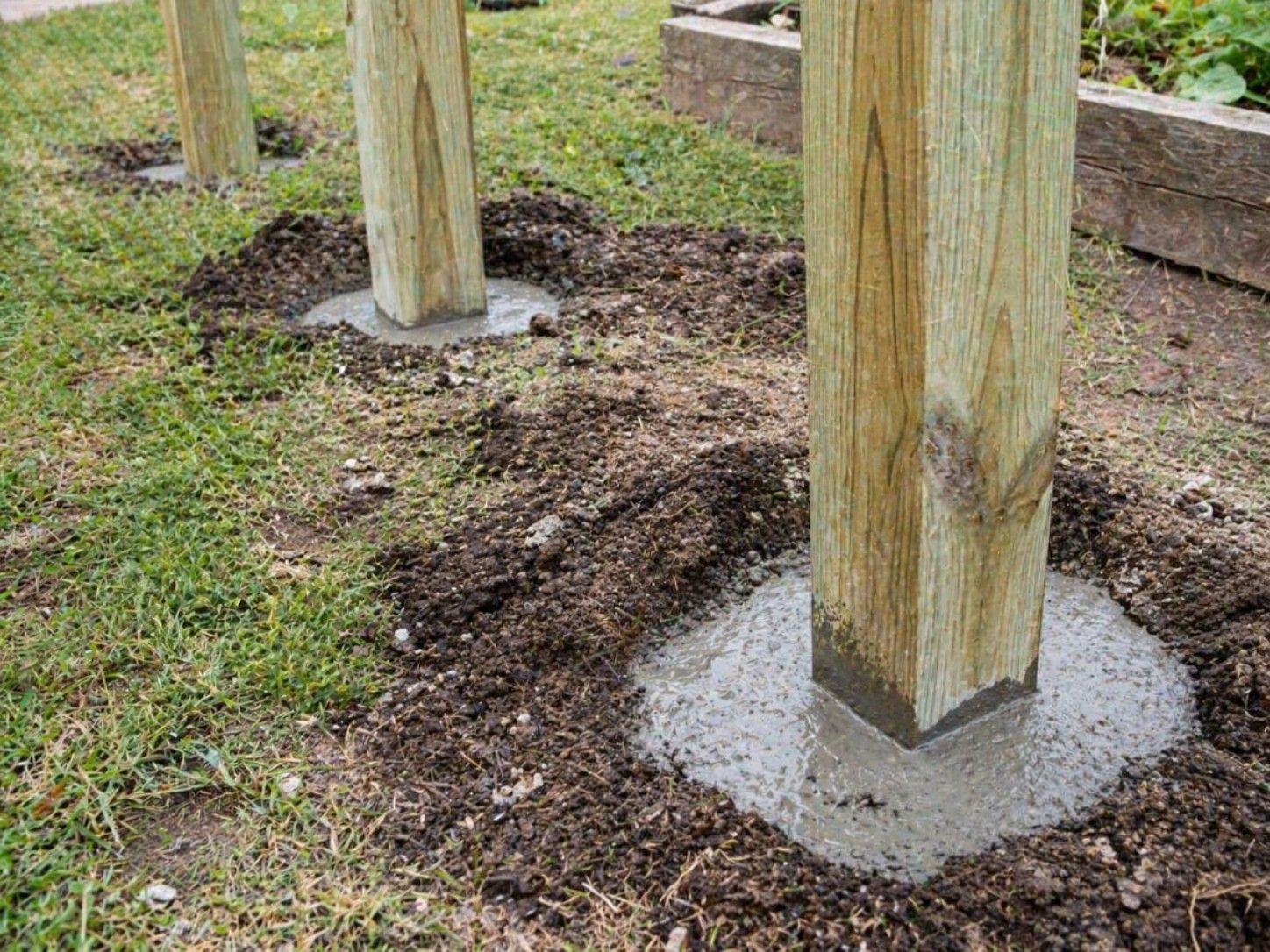
- Always slope the top of concrete away from the post
Gravel Base
- Pea gravel at the bottom allows water to drain away from the post
- Prevents rot in wood posts and corrosion in metal posts
- In clay soil, fill the bottom 6 inches with gravel before pouring concrete
- Makes a significant difference in long-term post stability
Comparison at a Glance
The Bell-Shaped Post Hole Advantage
- Widens at the bottom like an upside-down bell
- Creates a footing that mechanically locks into the soil
- Resists upward pressure from frost heave far better than a straight hole
- Widen the bottom using a hand tool after the main auger cut
- Professional installers use this on all posts deeper than 24 inches
How Does the Freeze and Thaw Cycle Damage Fence Posts?
The freeze and thaw cycle is the main enemy of shallow fence posts. Soil freezes and expands every winter, then thaws and contracts every spring. That repeated soil movement loosens the grip around posts that are not deep enough.
Clay-Heavy Soil Makes It Worse
- Clay soil holds water longer than sandy soil or loam
- More water means more expansion during the soil freeze-thaw cycle
- Posts in clay with shallow footings get pushed upward faster
- Signs you have clay: ground stays wet for days after rain
- Solution: go deeper and always use a gravel base under concrete
How Snow Changes Frost Depth
- Snow insulates the ground like a blanket
- Heavy snow cover reduces how deep frost penetrates
- Years with little snow and hard freezes increase frost penetration depth
- Bellevue winters vary widely, so always build to the maximum recommended depth
💡 Pro Tip: Never let frozen soil fill back into the hole before concrete cures. Frozen soil cannot compact properly and will shift once it thaws.
Setting Fence Posts the Right Way in Bellevue
The Process for Frost-Resistant Post Installation
- Mark your fence line. Use stakes and string before digging any holes.
- Call 811 before you dig. Required by law. Call at least two business days ahead so locators can mark underground lines, at no charge.
- Dig to the correct depth. Minimum 30 inches for a 6-foot fence in Bellevue, plus 6 inches for gravel base.
- Widen the bottom. Shape a bell-shaped base to resist frost heave upward pressure.
- Add gravel drainage. Pour 6 inches of pea gravel into the bottom for good drainage and good compaction.
- Set the post. Check for plumb on two sides. Brace it before adding concrete.
- Pour and slope the concrete. Slope the top away from the post so water drains off.
- Allow full cure time. Wait 24 to 48 hours before attaching fence boards or applying any load.

Soil Type in Bellevue Affects Post Depth
Soil conditions vary by neighborhood and elevation across Bellevue. The wrong footing for your soil type causes leaning posts even when depth is correct.
Quick Soil Guide for Bellevue
Choosing the Right Post Material for Bellevue's Climate
Post material determines how long your posts survive underground in Bellevue's wet winters.
Wood Posts
- Pressure treated wood (chemically treated to resist rot and insects) is the most common choice
- The in-ground portion must always be pressure treated
- Untreated wood underground will rot within a few years in Bellevue's wet climate
- Always confirm the pressure treated rating before purchase
Vinyl Posts
- Do not rot or rust
- Can become brittle in extreme cold
- Require accurate depth because they have less flexibility if the footing shifts
- Always use concrete footing with a gravel base
Metal Posts
- Strong and resistant to wind load
- Can corrode at the ground line if moisture gets trapped
- Slope concrete away from the post and use a gravel base to prevent this
If you are considering pressure treated wood fencing, learn more about our wood fence installation services in Bellevue and how we handle post depth for long-term performance.
Common Mistakes That Lead to Fence Post Failure
Avoid These Errors
- Setting posts above the frost line. The most common and most damaging mistake.
- Skipping the gravel base. Water pools at the bottom of the hole and accelerates heaving and decay.
- Not sloping the concrete. Flat tops trap water at the post base. Always angle it away from the post.
- Using the wrong post length. Always buy posts long enough for full burial depth plus above-ground height.
- Backfilling with loose soil only. Soil alone will not anchor posts in Bellevue's clay soil conditions.
- Not checking for plumb before concrete cures. Once concrete sets, adjusting a post is a major job.
- Ignoring permit requirements. For properties inside city limits, check with the City of Bellevue.
When Your Fence Project Needs a Professional
Signs You Should Call a Pro
- Yard has steep slopes or drainage problems affecting soil stability
- Privacy fence taller than 8 feet, which may require a permit and deeper posts
- Soil is heavily compacted clay or contains buried rock
- You want a warranty on installation and materials
- Unsure how deep to dig for your specific fence height and soil conditions
How to Set Fence Posts in Cold Weather
Bellevue rarely sees hard ground freezes, but for the occasional cold snap or a higher-elevation Eastside lot, these precautions apply.
- Do not pour concrete into frozen soil. It will not bond and will shift when it thaws.
- Use fast-set concrete when temperatures are near freezing
- Cover the footing with insulating material for at least 24 hours
- For large projects, wait until soil temperatures are above 40 degrees Fahrenheit
Read how we handle post installation in detail on our guide to setting fence posts in concrete.
Getting Your Fence Posts Right from the Start
Frost line depth for fence posts matters, but in Bellevue it's not the biggest factor, our frost line is shallow. What actually keeps a fence from leaning is enough post depth for stability, good drainage, and a footing matched to your soil.
The rules are straightforward:
- Dig to at least 30 inches for a 6-foot fence
- Use a gravel base for drainage
- Shape a bell-bottomed footing to resist frost heave
- Match your footing method to your soil type
A fence installed correctly the first time saves money and frustration for years. Reach out through our fence installation contact page to get a free assessment from Optima Fence and Deck.
FAQs
How deep should a 6-foot fence post be in Bellevue?
A 6-foot fence post in Bellevue should be buried at least 30 inches deep, with 36 inches recommended for added stability in clay soil. This puts the base below the local frost line depth and protects it from frost heave during the freeze and thaw cycle.
What happens if fence posts are above the frost line?
Posts set above the frost line get pushed upward when soil freezes and expands. Over multiple freeze and thaw cycles, posts lean, tilt, and pull away from the fence line. The damage gets worse each winter.
How deep do I need to dig in clay soil?
In clay-heavy soil, go at least 30 to 36 inches deep and use a gravel base under the concrete footing. Clay holds water and expands more during a freeze and thaw cycle, making good drainage critical for post stability.
Is concrete or gravel better for fence posts in Bellevue?
A combination of gravel at the base and concrete above it works best. Gravel provides drainage and prevents water from pooling, while concrete locks the post firmly against wind load and soil movement.
Can I use a fence post depth calculator for Bellevue?
A fence post depth calculator gives a useful starting point but should be adjusted for local frost line depth and soil type. In Bellevue, always add depth to account for King County frost penetration and clay-heavy residential soils.
How do I prevent my fence from leaning over time?
Set posts below the local frost line, use a bell-shaped post hole, and add a gravel drainage layer at the base. Proper depth, good drainage, and solid concrete footings are the three keys to long-term post stability.










.svg)