.png)
.png)
WPC fence vs cedar is the comparison most Bellevue homeowners face when planning a new fence. The trade-offs go deeper than the price tag on installation day.
This guide compares cedar vs composite fence across every category that matters: appearance, maintenance, durability, environmental impact, and total cost over 20 years.
How Does WPC Fence vs Cedar Compare on Upfront Cost?
Cedar fencing generally runs about $35 to $65 per linear foot for materials and installation in the Bellevue area, while WPC composite fencing typically runs higher, roughly $45 to $75 per linear foot.
- The higher WPC cost reflects the manufacturing process that blends recycled wood fibers with recycled plastic into a dense, weather resistant board
- Cedar fence materials carry a lower upfront cost and are available immediately from most Pacific Northwest lumber suppliers
- WPC fencing materials are often manufactured to order, adding four to six weeks of lead time
- Installation labor for both materials is comparable per linear foot
- The real cost difference sits in the materials and in what happens after installation day
What Are the Long Term Costs of Cedar Fencing vs Composite Fencing?
Long term costs favor composite fencing over cedar fencing for homeowners who stay in their home for a decade or more. The math shifts after year five, when cedar's maintenance begins adding costs.
- Cedar staining, sealing, and board replacement add recurring costs across 20 years that composite avoids
- Composite maintenance over the same period is minimal, occasional soap and water
20-Year Total Cost of Ownership Comparison
Cedar fencing requires staining or sealing every two to three years to prevent graying, splintering, and moisture damage. WPC fences need only occasional cleaning with soap and water, making composite the more cost-effective choice over the full lifespan.
💡 Pro Tip : When comparing on total cost, factor in the maintenance hours over 20 years. Staining a 150-foot cedar fence is a full weekend of work plus supplies, every couple of years.
Is Composite Fencing Better Than Wood for Durability?
In Pacific Northwest conditions, WPC composite fences resist rot, insect damage, and weather damage because the polymer matrix in each board seals out moisture.
- Cedar fencing contains natural oils that resist decay and insects, but those oils break down over time in humid climates like Bellevue's
- The durability gap widens with every wet season
- Most cedar fences hold up for 15 to 20 years with regular maintenance, though Optima regularly replaces cedar fences showing post rot and warping inside 10 years where staining lapsed
- WPC composite fences typically last 25 to 30 years with minimal upkeep and do not warp, crack, or splinter
- Cedar fence posts rot at grade level where wood meets soil. WPC panels do not rot at grade the way cedar does
Appearance and Curb Appeal: Natural Wood vs Modern Composite
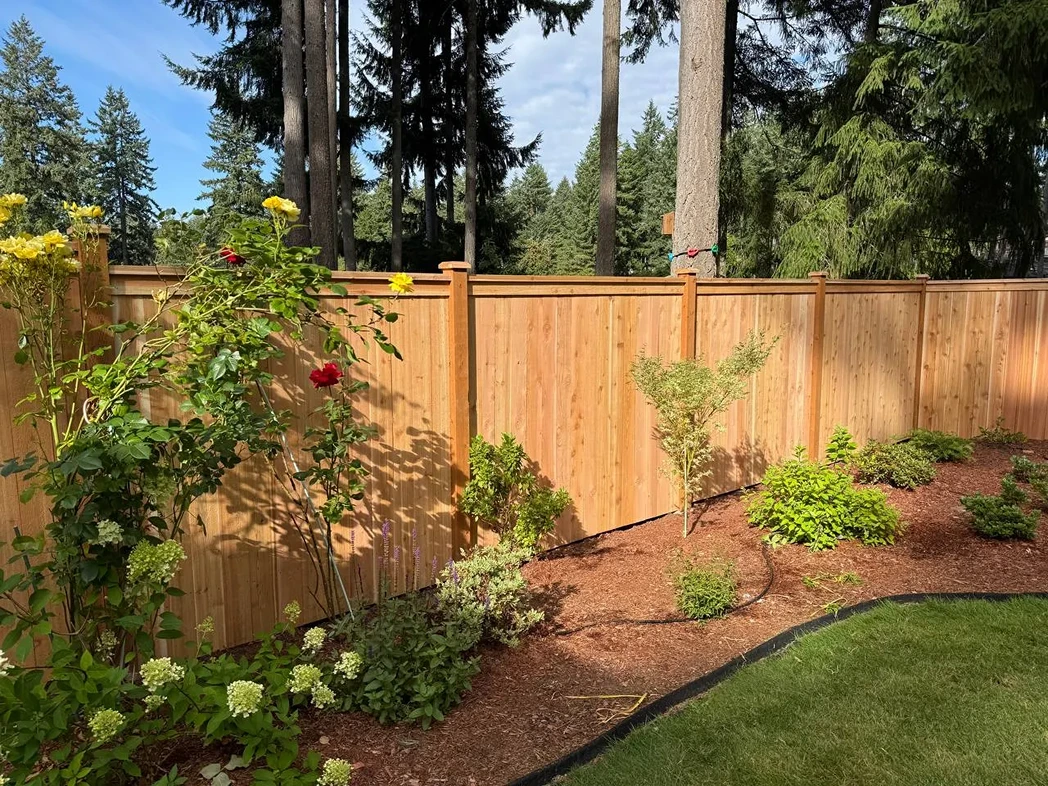
Cedar fencing provides authentic wood grain with natural color variation from board to board. Many homeowners love the warm tones of fresh cedar, and wood fences can be stained in various colors to match any exterior.
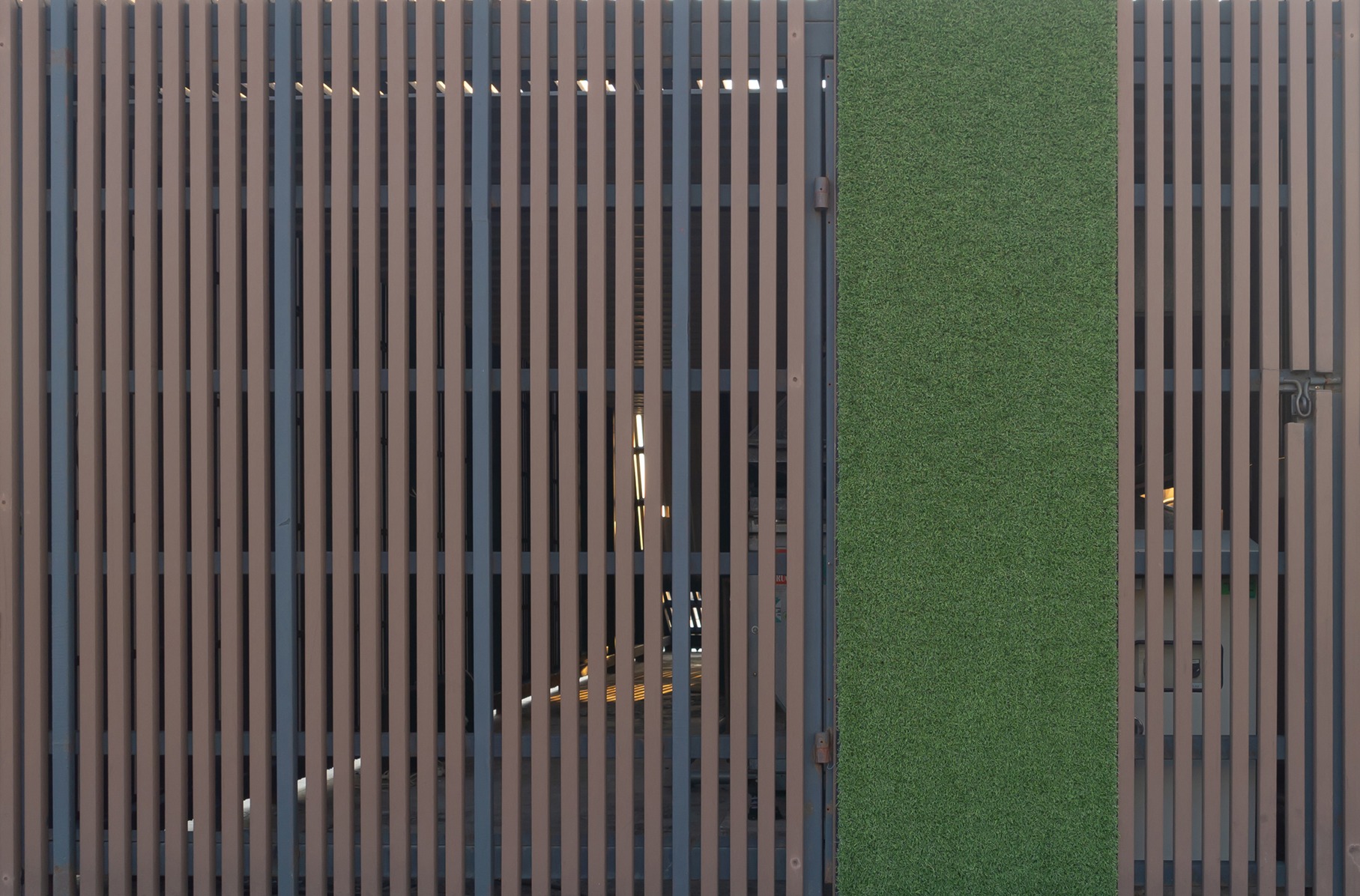
WPC fencing delivers a cleaner, more modern look with consistent color across the entire run. Composite fences come in multiple shades with no board to board tonal differences and no graying over time.
WPC composite fencing mimics real wood using embedded wood fibers that create visible grain patterns. WPC's grain and board weight read much like freshly stained cedar, far closer than smooth vinyl.
How Much Maintenance Does Each Fence Material Require?
The maintenance gap between the two materials is significant.
Cedar Fence Maintenance Requirements
- Staining or sealing every two to three years to prevent moisture absorption and UV damage
- Without proper care, cedar grays and splinters within a few seasons
- Board replacement for sections damaged by insects or weather is common after about 10 years without regular staining
WPC Fence Maintenance Requirements
- A seasonal rinse with a garden hose and mild soap handles most dirt and debris
- A soft bristle brush removes moss in shaded yards
- The maintenance difference is the single biggest factor for Bellevue homeowners
Which Fencing Material Has a Lower Environmental Impact?
Composite fencing generally has a lower environmental impact than cedar fencing because WPC is made from recycled wood fibers and recycled plastic that would otherwise end up in landfills.
- Cedar is biodegradable and renewable, though its footprint depends on sourcing, much Pacific Northwest cedar is regionally harvested
- WPC composite fencing repurposes recycled materials into a product with a 25 to 30 year lifespan
- Composite materials are not biodegradable but can be recycled
- Cedar fence materials biodegrade naturally but require new resources every 15 to 20 years
Choosing the Right Fence Material for Your Bellevue Property
- Set your total budget, not just the upfront material cost. Include staining supplies, maintenance labor, and potential cedar fence replacement within 20 years.
- Decide how much maintenance you are willing to do. Cedar demands staining every two to three years. WPC requires only occasional cleaning.
- Consider your timeline. Cedar fence materials are readily available at local suppliers. WPC fencing runs a four to six week lead time.
- Think about the look you want. Cedar offers natural wood character with board to board variation. WPC delivers a cleaner, more uniform, modern line. Visit our project portfolio to compare completed installations of both materials.
- Factor in how long you plan to stay. Homeowners staying five years or less may prefer cedar's lower upfront cost. Those staying a decade or more typically see long term savings from WPC.
💡 Pro Tip : Before committing, look at a side by side sample of both materials in your own yard lighting. Seeing WPC next to natural cedar on your property makes the appearance decision much easier.
What Are the Honest Disadvantages of WPC Fencing?
WPC fencing is not the right fit for every homeowner. These are the real trade-offs:
- More expensive upfront. WPC composite fencing carries a higher initial cost than cedar fencing per linear foot
- Heavier material. WPC fence panels are denser and heavier than cedar boards, making handling more physically demanding
- Longer lead time. WPC fencing is often manufactured to order, adding four to six weeks before installation begins
- Harder to color match a single board. If one WPC panel is damaged, replacing it with an exact color match can be harder than swapping a single cedar board
- Can warm in direct sun. WPC composite absorbs heat in direct sunlight, though this matters less for fencing than for decking surfaces
Cedar fencing avoids all of these issues. Cedar is lighter, available faster, less expensive upfront, and a single board is easy to replace.
Why Installation Quality Matters for Both Materials
Professional installation affects the lifespan of both materials more than most homeowners realize.
- A cedar fence properly installed with posts below the frost line can reach the upper end of its 15 to 20 year range
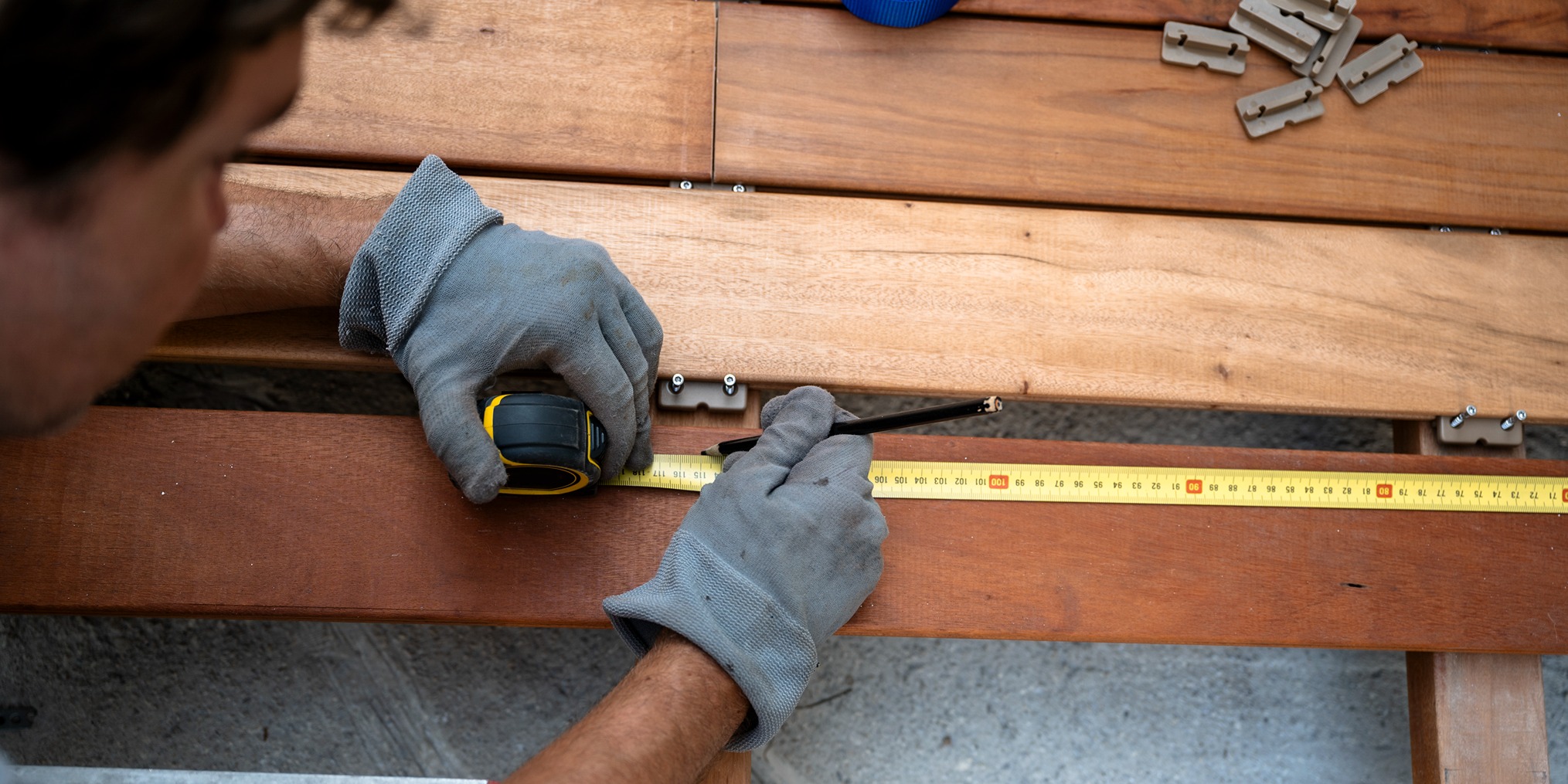
- A WPC fence installed with correct expansion gaps and composite specific fasteners will perform for 25 to 30 years without buckling or warping
Optima Fence and Deck installs both cedar and WPC fencing across Bellevue and backs every project with a 4-year workmanship guarantee. When you weigh WPC against a traditional wood fence installation in Bellevue, the installer matters as much as the material, either one lasts longer when it is done right.
The Honest Verdict: Which Fence Should You Choose?
Choose cedar if you love natural wood character, you are comfortable with the regular staining cycle, and upfront budget is the priority.
Choose WPC if you want a cleaner, modern look that holds for decades with no upkeep, and you plan to stay long enough for the lower maintenance to pay back the higher upfront cost.
Both materials work well in Bellevue's climate when installed correctly. Optima Fence and Deck installs cedar and WPC fencing and can walk you through samples, pricing, and lead times. Contact Optima Fence and Deck to request your estimate.
FAQs
Is a WPC fence better than a cedar fence?
WPC fencing lasts longer and requires less maintenance than cedar, making it a better long term investment for homeowners who plan to stay a decade or more. Cedar fencing costs less upfront and offers the natural beauty of real wood.
How long does a cedar fence last compared to composite?
Cedar fences typically last 15 to 20 years with regular staining and sealing. WPC composite fences generally last 25 to 30 years with minimal maintenance, thanks to composite fencing's resistance to rot, insect damage, and moisture absorption.
Does composite fencing look like real wood?
Composite fencing mimics wood using embedded wood fibers that create realistic grain patterns. At conversational distance WPC reads much like freshly stained cedar, though cedar offers more natural board-to-board color variation.
Is composite fencing more expensive than cedar?
Composite costs more upfront per linear foot. Over 20 years, the total cost often favors composite because cedar requires staining every two to three years plus periodic board replacement.
Can you stain or paint a WPC fence?
WPC fences do not need staining or painting and are designed to maintain color without surface treatment. Painting WPC is not recommended because the surface does not absorb finishes the way natural wood does.
What fence material is best for the Pacific Northwest?
WPC composite fencing performs well in Pacific Northwest weather because it resists rot, moisture, and insect damage without ongoing maintenance. Cedar also performs well when regularly stained, though it requires more upkeep to match composite durability in wet climates.



.png)







.svg)