.png)
.png)
WPC fence durability is one of the top reasons Bellevue homeowners are switching from traditional wood fencing to wood plastic composite. WPC fences do not absorb water the way cedar and pine do, which means the rot cycle that kills standard wood fences at the soil line simply does not start.
This guide breaks down how composite fences perform against the real challenges of a Pacific Northwest yard: constant rain, saturated soil, and shade-driven moss.
How Does WPC Fence Durability Compare to Wood and Vinyl?
Composite outperforms wood and rivals vinyl fencing in Pacific Northwest conditions.
- WPC fences typically last 25 to 30 years with minimal maintenance
- Standard wood fences in the Seattle and Bellevue area often need full replacement toward the end of a 15 to 20 year lifespan due to moisture damage
- Most cedar fences hold up for 15 to 20 years with regular staining and sealing, and Optima regularly replaces cedar fences showing post rot and warping inside 10 years where staining lapsed
- Vinyl fencing lasts two to three decades without rotting, but becomes brittle in cold temperatures and can crack under impact
- WPC fence panels combine wood fibers and recycled plastics into a composite that resists rot, moisture, and insect damage without the brittleness of vinyl
Fence Material Durability Comparison: Pacific Northwest Conditions
The table below shows how four common fence materials handle Pacific Northwest conditions. Rot resistance and freeze-thaw are the columns that matter most here, since constant rain and saturated soil, not cold, are what actually shorten a fence's life in Bellevue.
Freeze-thaw ratings reflect how each material holds up over years of repeated wet-cold-wet cycling, not whether it survives a single winter, cedar splits, vinyl grows brittle, and composite stays stable.
Why Does Constant Rain Destroy Wood Fences but Not WPC?
WPC fencing resists Pacific Northwest rain because wood plastic composite does not absorb water easily. The polymer matrix in WPC seals wood fibers against moisture penetration, preventing the internal decay that shortens the life of traditional wood fences.
- Traditional wood fences soak up moisture through end grain and face checks (the small surface cracks that open in weathered wood), starting a rot cycle at the soil line and along horizontal rails
- Bellevue receives roughly 37 inches of rain annually, and the ground stays saturated for months between October and April
- Even cedar posts in constant ground contact can start failing well before the rest of the fence wears out, especially in saturated King County soil
- WPC fences largely sidestep this because composite does not wick moisture from soil the way wood does
💡 Pro Tip : Keep WPC fence panels at least two inches above ground level during installation. This clearance prevents soil splash and debris buildup along the bottom edge, keeping the fence cleaner and reducing the conditions where surface mold can develop.
Will a WPC Fence Fade or Crack in Bellevue's Climate?
Quality WPC fences contain UV inhibitors that resist fading and cracking even after years of outdoor exposure. Bellevue's climate actually works in WPC's favor because the Pacific Northwest receives less direct sun than sunbelt regions.
- High-quality composite fence panels experience minimal color shift over their lifespan
- Many composite lines Optima installs, such as TimberTech and MoistureShield, use a capped construction: a protective polymer shell that shields the core from UV, moisture, and surface wear. Others, like Trex, run color and material through the full board
- Unlike wood fences that gray and splinter without constant upkeep, WPC fencing maintains its aesthetic appeal and natural look for decades
Handling Moss and Algae Growth on WPC Fences in Shaded Yards
Moss and algae grow on any outdoor surface in the Pacific Northwest, and WPC fences are no exception. Shaded north-facing fence lines in Bellevue, Newcastle, and Sammamish will develop surface growth regardless of fencing material. The difference is how each material responds to cleaning.
- WPC fencing cleans up with warm soapy water and a soft-bristle brush, returning to its original appearance. If you pressure wash, keep it gentle: a fan tip, low pressure, no closer than 12 inches from the surface
- Cedar fences require the same cleaning plus a fresh coat of stain afterward, adding both time and cost
- WPC skips the re-staining step entirely
- Surface mold and algae stay on top of composite fence panels rather than penetrating the board
For a deeper look at composite cleaning techniques in our local climate, see our guide on how to maintain a composite deck in Bellevue's rainy, shaded backyards. The same principles apply to WPC fence care.

Protecting Your WPC Fence Investment from Day One
Proper installation and routine care are what separate a WPC fence that performs for decades from one that develops problems early.
- Hire a contractor with composite fencing experience. WPC installation requires different techniques than traditional wood fencing, including expansion gaps and specific fastener types.
- Set posts well below the frost line. Washington's residential code sets a 12-inch minimum footing depth for King County, and Optima sets fence posts substantially deeper, roughly 30 inches for Trex Seclusions, for stability in saturated soil.
- Leave proper expansion gaps between panels. A 5mm gap on each side allows for thermal expansion without buckling in summer heat.
- Maintain ground clearance. Keep the bottom of fence panels at least two inches above soil to prevent moisture wicking and debris accumulation.
- Clean twice per year. A spring and fall wash with soap and water removes pollen, algae, and debris before they build up. This is the only routine maintenance WPC needs.
A Note on Freeze-Thaw
Bellevue winters are mild, with only about 15 days below freezing a year, so hard freeze-thaw is not the main threat to fences here. WPC still handles it well: composite expands and contracts uniformly without the splitting and checking that damage cedar boards. The bigger risk is saturated soil, and that is where composite's moisture resistance matters most.
💡 Pro Tip: Optima Fence and Deck recommends scheduling your fall fence cleaning in September before the wet season starts. Removing summer debris and surface growth before the rain arrives keeps your WPC fence panels in top condition through winter.
Top Reasons WPC Fencing Outperforms Wood in Wet Climates
- No water absorption. Unlike wood, WPC does not soak up moisture that causes rot, warping, or splitting from the inside out
- Naturally resistant to insects. WPC composite materials do not attract termites or wood-boring insects
- Zero staining or sealing required. WPC fences eliminate the biggest recurring cost of wooden fences
- Resistant to splintering. WPC is safer around children and pets compared to traditional wooden fences
- Color stability in limited sun. Pacific Northwest's lower UV exposure means WPC fence panels retain their color even longer
- Fewer repairs over time. No damaged boards to replace, no fence posts to reset, and no annual re-staining cycle
What Durable Composite Means for Long-Term Costs
WPC fence cost runs higher upfront than traditional wood fencing, but the total cost over 20 years typically favors composite because WPC eliminates recurring maintenance expenses.
- Composite fencing generally runs about $45 to $75 per linear foot installed in the Bellevue area, with height and layout the main price drivers
- Cedar fencing typically runs less per foot up front, but the gap narrows once years of staining and board replacement are added in
- WPC fencing greatly reduces those ongoing costs
- The initial cost of a composite fence is the primary investment, with only occasional cleaning as ongoing upkeep
You can see examples on the our project portfolio, or learn more about composite fence installation in Bellevue to see how these hold up after multiple Pacific Northwest seasons.
Why Installation Quality Determines WPC Fence Longevity
A WPC fence installed with correct expansion gaps, proper post depth below the frost line, and appropriate fastening hardware will perform for 25 to 30 years. A fence installed without these details can buckle, warp, or develop gaps within the first few seasons.
That durability is built into the material, but installation technique is what unlocks it. Optima Fence and Deck backs every fence installation with a 4-year workmanship guarantee.
If you are weighing WPC against a traditional wood fence installation in Bellevue, the material matters, but so does the install: correct gaps, depth, and fasteners are what let composite reach its full lifespan instead of buckling early.
WPC Fence vs. Other Low Maintenance Fence Options
WPC vs. Vinyl Fence
Vinyl fencing resists moisture and pests and can last two to three decades with only occasional cleaning. The trade-off is aesthetic appeal. Vinyl reads flat and uniform up close, where WPC's embedded grain gives it a wood look vinyl cannot match.
WPC vs. Aluminum and Metal Fences
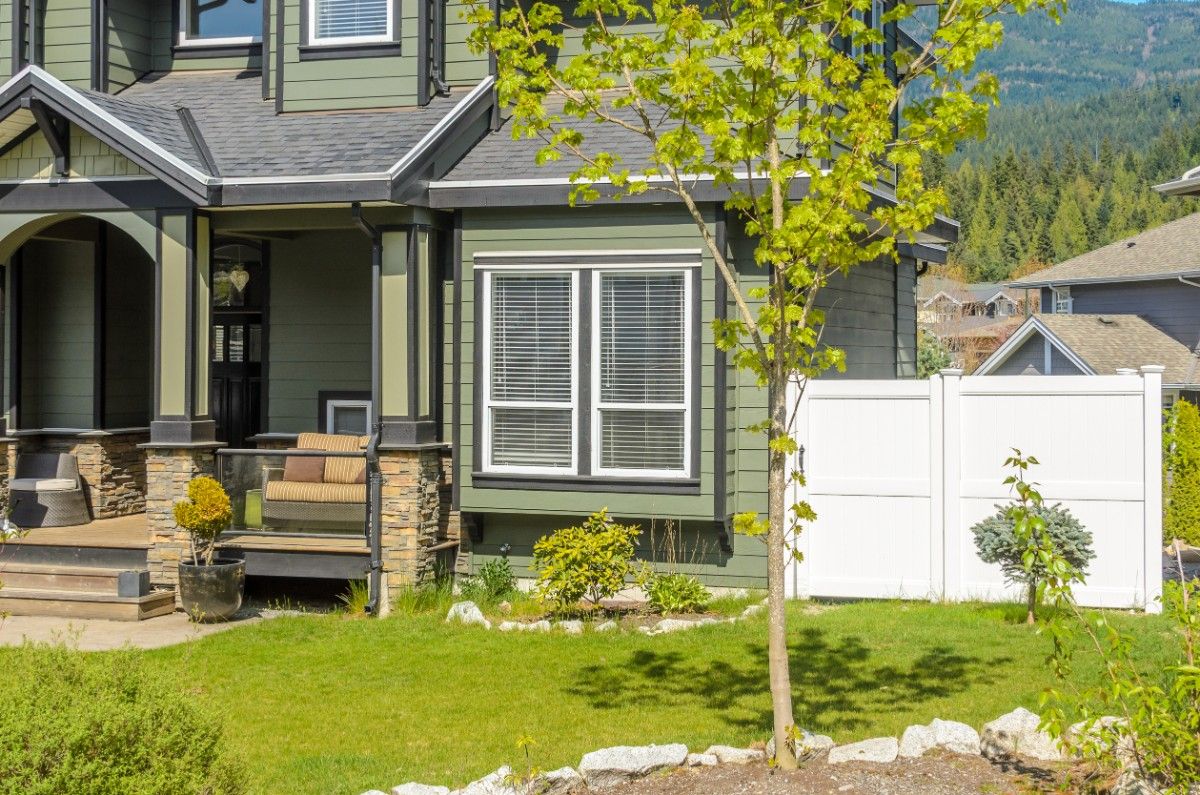
Aluminum and chain link hold up for decades and shrug off rust, which is why they last in wet Pacific Northwest yards. What they cannot do is give you privacy or a wood look, metal fences are see-through by design, so they suit property lines and pet runs more than a backyard you want enclosed. WPC delivers the same weather resistance in a solid, natural-grain panel.
A Fence Built for Bellevue Weather, Not Against It
WPC fence durability makes composite fencing one of the smartest long lasting solutions for Pacific Northwest homeowners who want a fence that performs in constant rain without constant upkeep.
Ready to see how a durable composite fence would look on your property? Contact Optima Fence and Deck to request your estimate and learn about our 4-year workmanship guarantee on fence installations.
FAQs
How long do WPC fences last in the Pacific Northwest?
WPC fences typically last 25 to 30 years in Pacific Northwest conditions with minimal maintenance. High-quality composite fencing can last 30 years or more when installed with proper expansion gaps and post depth below the frost line.
What fence is lowest maintenance for Bellevue homeowners?
WPC fencing and vinyl fencing are the lowest maintenance fence options for Bellevue homeowners. WPC fences require no annual staining or sealing, only occasional cleaning with soap and water, while offering a more natural look than vinyl.
Does WPC fencing warp or crack in cold weather?
WPC fencing does not warp or crack in cold weather when installed with proper expansion gaps. Composite fence material expands and contracts uniformly with temperature changes, unlike cedar boards that absorb water and split during freeze-thaw cycles.
Is a WPC fence worth the higher upfront cost?
Composite runs higher upfront than wood, but it reduces the recurring maintenance costs wood carries over 20 years. Once staining, sealing, and board replacement are included, the gap narrows and composite can cost less over its full lifespan.
Can you pressure wash a WPC fence?
WPC fence panels are best cleaned with soap and water and a soft brush. If you pressure wash, keep it below 1,500 PSI, use a fan tip, and stay at least 12 inches from the surface; going harder can void the manufacturer's warranty. Rinse thoroughly so no film dries on the boards.
Does WPC fencing provide good privacy?
WPC fencing provides excellent privacy with solid panels that block sightlines. WPC fence panels are available in heights up to eight feet, making them an effective low maintenance privacy fence for residential property lines.



.png)







.svg)